
Quick Picks
- Sinocare Safe AQ Air
- Accu-Chek Guide Me
- OneTouch Verio Reflect
- Ascensia Contour Next One
- i-SENS CareSens N
A blood sugar monitor is an essential tool for people managing diabetes, prediabetes, or glucose fluctuations. Regular monitoring helps users understand how food, exercise, medication, sleep, stress, and other factors affect blood glucose levels.
However, choosing the right device can be difficult because different users have different requirements. Based on reviews and product performance, we have selected the 5 best blood sugar monitors. Each is designed for specific needs.
Compare the Best 5 Blood Sugar Monitors in 2026
| Rank | Blood Sugar Monitor | Indicative Price |
| 1 | Sinocare Safe AQ Air | $25.00 |
| 2 | Accu-Chek Guide Me | $14.99 |
| 3 | OneTouch Verio Reflect | $28.00 |
| 4 | Ascensia Contour Next One | $37.98 |
| 5 | i-SENS CareSens N | $31.99 |
Prices are indicative and can vary by country, retailer, insurance coverage, and package contents.
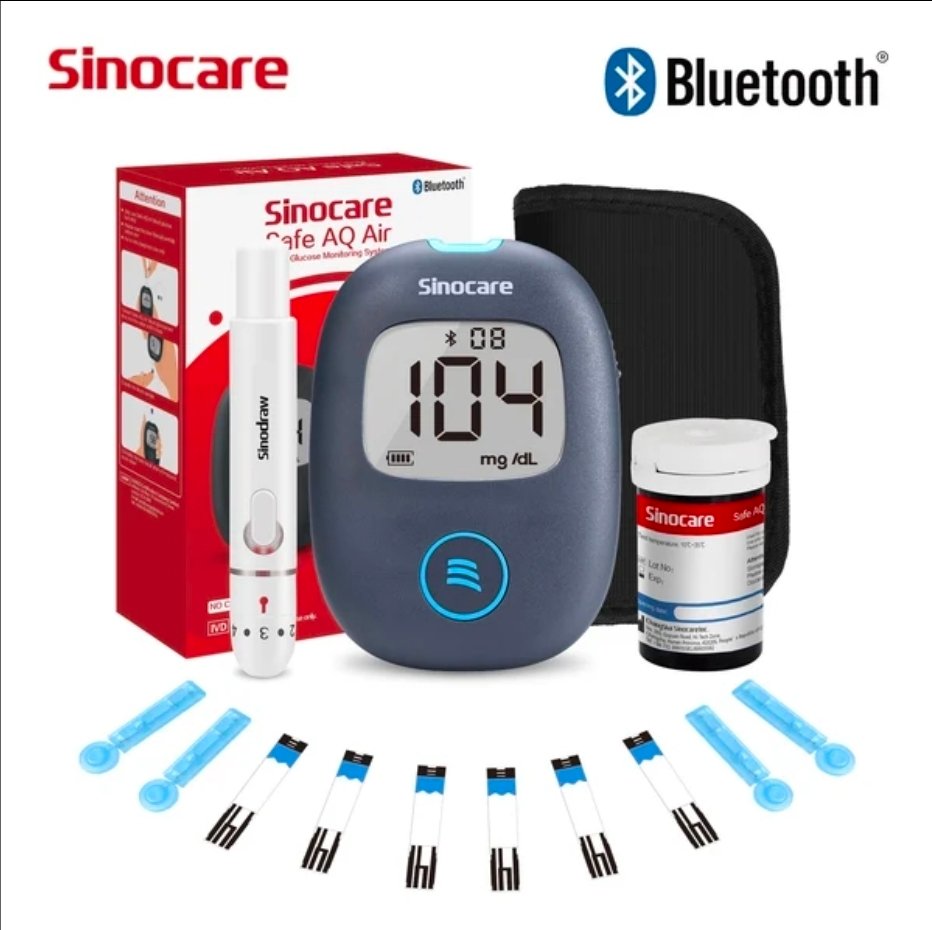
Sinocare Safe AQ Air
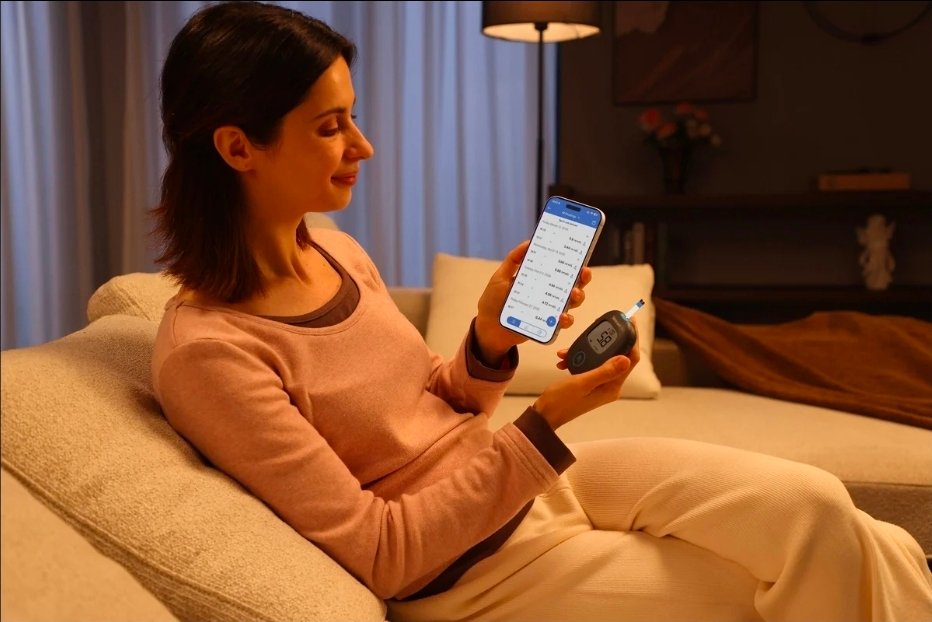
The Sinocare Safe AQ Air is a Bluetooth blood glucose monitor designed for routine blood sugar testing at home and on the go. It delivers a blood glucose result in 5 seconds using a 0.6 μL blood sample and stores up to 500 test results in the meter. Its measurement range is 1.1-33.3 mmol/L, with both mmol/L and mg/dL versions available.
The main advantage is Bluetooth connectivity. Safe AQ Air works with the “MedM Health” app, allowing readings to be transferred to a smartphone for reviewing historical results and trends. Readings can be shared with your healthcare provider.
The kit can include the glucose meter, test strips, lancets, lancing pen, batteries, user manual, and carrying bag, depending on the selected package.
Pros
- 5-second glucose results with only a 0.6 μL blood sample
- Bluetooth connectivity for smartphone data synchronization through the MedM Health app
- Stores up to 500 results on the meter
- Measurement reminders through the connected app
- No coding required for test strips
- Five-stage puncture depth adjustment
- Certified by CE and ISO 15197
- Compact design for home use and travel
Cons
Users who do not need smartphone tracking may not benefit from its connected features
Accu-Chek Guide Me
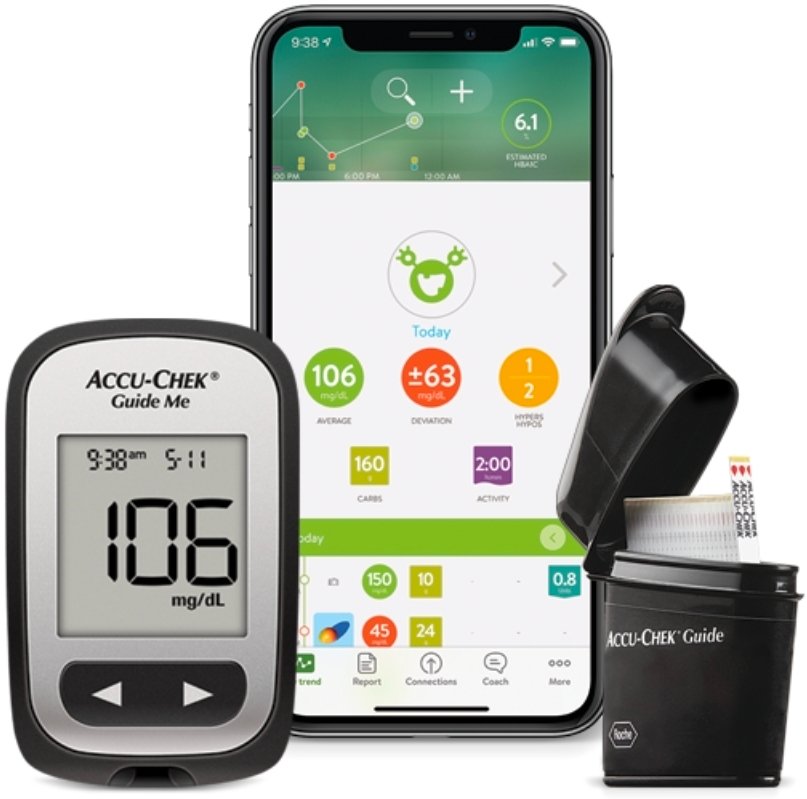
The Accu-Chek Guide Me focuses on simple and fast blood glucose testing. Results are available in less than 4 seconds with a 0.6 μL blood sample.
Its published accuracy specification states that 95% of measured glucose results should fall within ±10 mg/dL of the lab reference value when glucose is below 100 mg/dL, or within 10% when glucose is at or above 100 mg/dL.
The meter supports Bluetooth connectivity with the mySugr app. It stores 720 diary records and 30 control results.
Pros
- Results in less than 4 seconds.
- Bluetooth connection with mySugr.
- 720 stored diary records.
- 0.6 μL sample size.
Cons
Test strips can be a significant expense.
OneTouch Verio Reflect
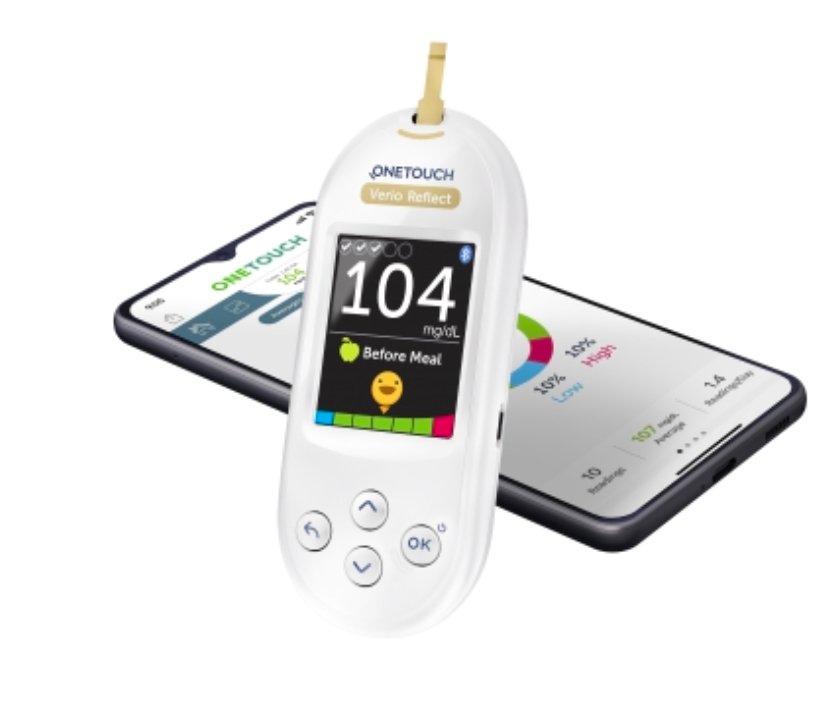
The OneTouch Verio Reflect uses FAD-GDH technology, requires only 0.4 μL of blood, and takes approximately 5 seconds to provide a result.
The meter stores 750 test results and includes Bluetooth connectivity. It also has a 20-600 mg/dL reported result range and supports a hematocrit range of 20-60%.
OneTouch also provides a Blood Sugar Mentor feature designed to provide feedback based on glucose patterns and readings.
Pros
- Very small 0.4 μL blood sample.
- Five-second testing.
- Bluetooth connectivity.
- 750-result memory.
Cons
Higher cost than basic meters.
Ascensia Contour Next One
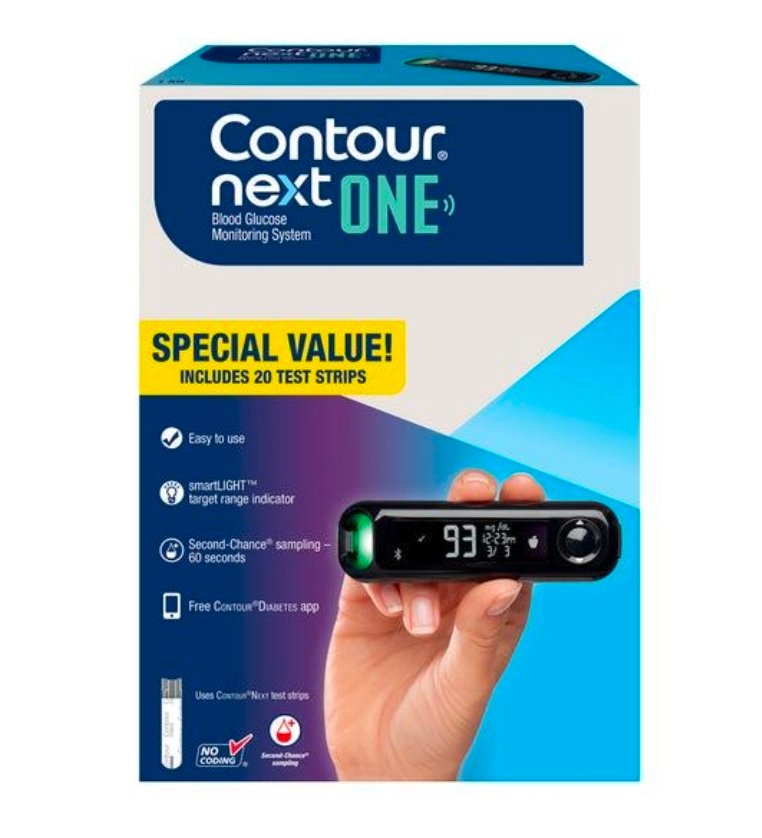
The Contour Next One is designed around accuracy, simple testing, and smartphone connectivity. The test results were within ±8.4% of laboratory values.
The system uses a 0.6 μL blood sample and supports Bluetooth connectivity with the CONTOUR DIABETES app. Its test strips also provide Second-Chance sampling, allowing additional blood to be applied to the same strip within a specified period when the initial sample is insufficient.
Pros
- Strong published accuracy data.
- Bluetooth connectivity.
- Second-Chance sampling.
- Easy-to-use design.
Cons
Higher cost than basic meters.
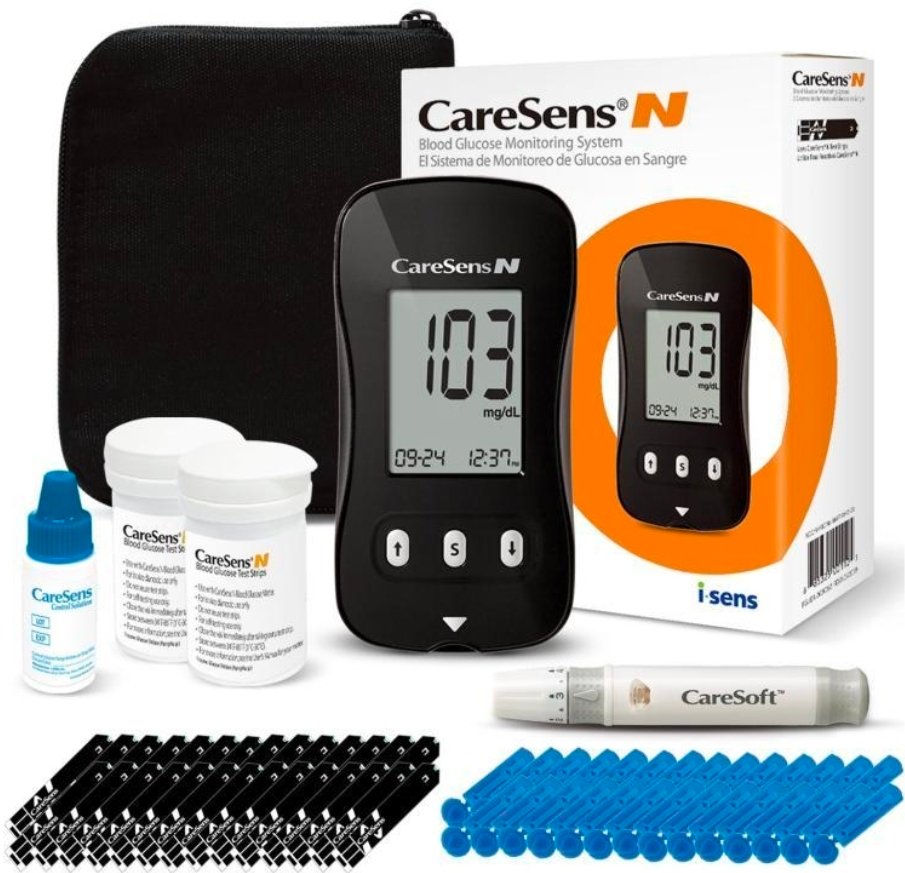
i-SENS CareSens N
CareSens N from i-SENS is designed for straightforward blood glucose testing. It uses a 0.5 μL sample size, needs a five-second measurement time, and offers 1,000-result memory.
The CareSens N uses CareSens N strips and requires no coding, eliminating manual entry steps before testing. The standard model focuses on direct meter-based testing rather than Bluetooth connectivity.
Pros
- 0.5 μL blood sample.
- Five-second testing.
- 1,000-result memory.
- Simple operating approach.
- CareSens N strips are widely supported within the CareSens N product family.
Cons
Standard model lacks Bluetooth.
How to Choose the Right Blood Sugar Monitors?
Every best blood sugar monitor in this diabetes meters review offers high testing performance, but individual health goals dictate the final selection. Evaluate these criteria before choosing the most reliable blood glucose meter:
- Reading Accuracy
Accurate diabetes meters should come first. Published performance data and testing technique matter. Also remember that even accurate meters can produce readings affected by factors such as contaminated hands, incorrect blood sampling, damaged strips, improper storage, etc.
- Speed of Results
Most modern meters provide readings within seconds. Fast testing is especially useful for people who check blood sugar several times a day.
- Device and Test Strip Cost
The meter is usually a one-time or occasional expense. Test strips and lancets are recurring costs. Check the price of 50 or 100 compatible strips before making a decision.
- App Connectivity and Smart Features
Bluetooth can automatically transfer readings to a smartphone. This is useful if you want to identify trends, share data with a doctor, or maintain a digital record. If you prefer reviewing them directly on the meter, Bluetooth may not be necessary.
- Ease of Use
Features such as easy-fill strips, clear displays, automatic coding, and simple strip handling can make a noticeable difference. For seniors and beginners, fewer steps are often more important than advanced digital functions.
- Blood Sample Size Required
Meters requiring smaller blood samples can provide a more comfortable testing experience, especially for frequent users.
- Portability
If you test outside your home, consider the size of the meter, lancing device, strip container, and carrying case. A complete glucose monitoring kit should be easy to carry and should protect test strips from moisture and temperature extremes.
Final Verdict
Selecting the best blood sugar monitor depends on your personal health needs, daily testing routine, and budget constraints.
- Opt for the Sinocare Safe AQ Air, Accu-Chek Guide Me or OneTouch Verio Reflect if you prefer Bluetooth app tracking and guided on-screen feedback.
- Select the Contour Next One if re-sampling capabilities are your top priorities.
- Pick the CareSens N for high-capacity storage and a straightforward testing experience.
FAQs
-
What is the target blood sugar control range for diabetics?
Target blood glucose levels for non-pregnant adults with diabetes are:
- Pre-meal (fasting): 4 to 7 mmol/L (72-126 mg/dL).
- Post-meal (1-2 hours after eating): Below 9 mmol/L (162 mg/dL) for type 1 diabetics, and below 8.5 mmol/L (153 mg/dL) for type 2 diabetics.
-
Which monitor is best for seniors or beginners?
The Sinocare Safe AQ Air serves as the best home glucometer for seniors and beginners. This device offers no-coding technology, large display screens, minimal operation steps, and low-cost testing strips, making daily monitoring simple and affordable.
-
How often should you check your blood sugar?
Testing frequency depends on your diabetes type and treatments. The following is for reference only:
- Type 1 Diabetes: Typically 4 to 10 times daily, including before meals, before exercise, and at bedtime.
- Type 2 Diabetes (Insulin Treated): 2 to 4 times daily based on doctor instructions.
- Type 2 Diabetes (Non-Insulin / Diet Controlled): 1 to 2 times daily, or several times per week to check dietary responses.