
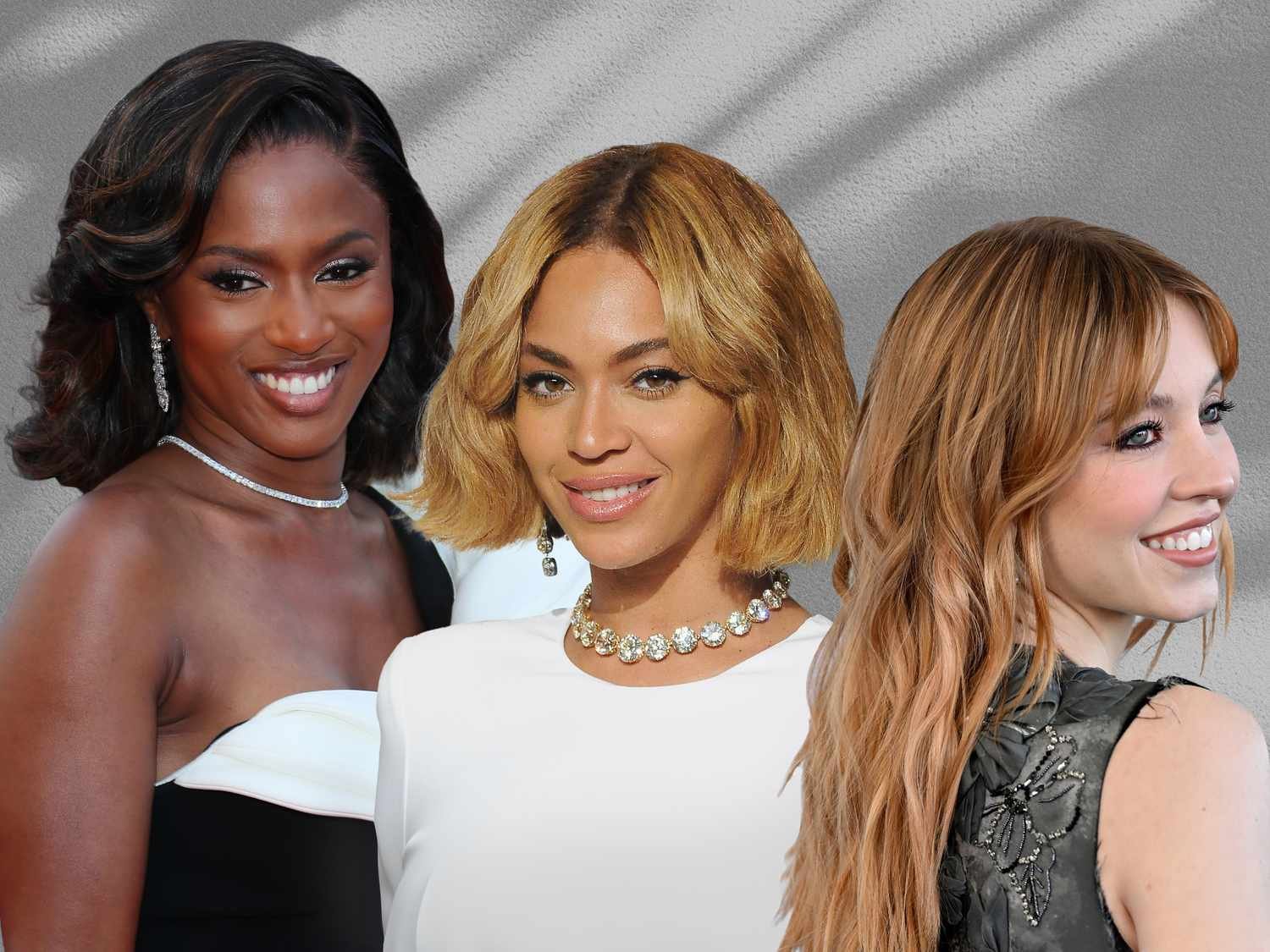
A vivid hair-color idea can be exciting precisely because it feels unfamiliar. The difficult part is deciding whether you like the color as a striking image or as something you want to wear alongside your existing life. A moodboard grounded in your own wardrobe can help answer that question without asking you to reinvent everything at once.
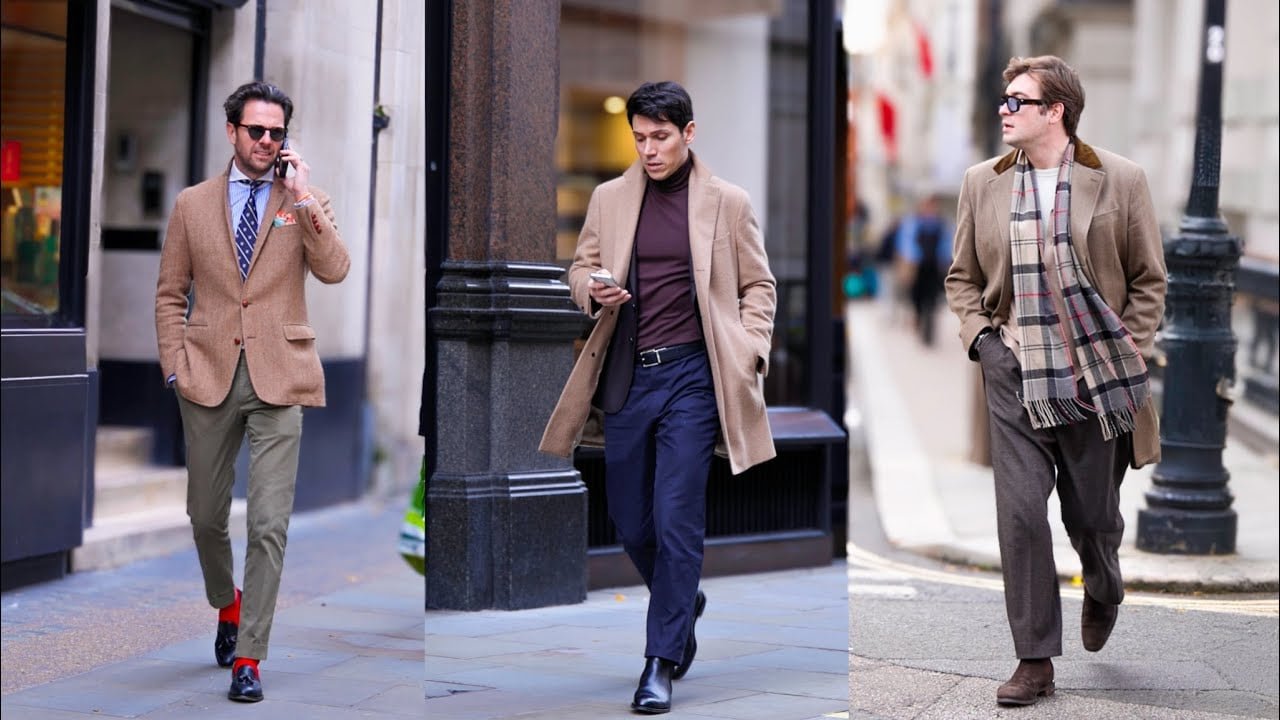
Instead of gathering dozens of dramatic transformations, start with three outfits you reach for repeatedly. They will become the reference points for exploring color. You are not looking for rules about what a person is allowed to wear. You are looking for a combination that feels intentional to you across the settings that matter.
Choose three outfits with different jobs
Select an everyday outfit, an outfit that feels especially expressive, and something you wear when you want less attention. Put the actual clothes together rather than choosing imaginary purchases. Include the accessories you use with them, because glasses, earrings, and hats can affect the overall impression you are considering.
Photograph the outfits in a simple, consistent setting if you want a digital board. You do not have to appear in every image. A flat arrangement is enough to capture colors and proportions. The purpose is to keep your exploration connected to familiar choices, not to produce a professional fashion shoot.
Decide the role of the new color
A bold color can be the main focus of a look, a recurring accent, or an unexpected detail that becomes visible with movement. Which role appeals to you? Write that sentence at the top of the moodboard. It becomes a useful test when you encounter another captivating example that serves a completely different purpose.
Consider scale as well as hue. A whole-head color, a contrasting section, and a small accent create different relationships with an outfit. You can be drawn to a bright shade while preferring a limited area of it. Separate that placement preference from the question of whether the color itself is appealing.
Make a palette from the wardrobe outward
Look for recurring colors in your three outfits. You may notice several dark neutrals, a favorite jewel tone, or a consistent warm accent. Choose two possible hair-color directions in relation to those existing elements. One can feel connected to the wardrobe, while the other can provide a more deliberate contrast.
A third option should be a quieter alternative. It might retain the same general direction while reducing intensity or visible area. This is not a backup chosen out of fear. It gives your comparison a wider range, making it easier to identify whether you enjoy the hue, the contrast, or simply the feeling of change.
Use a personal image as a movable sample
At this point, a portrait-based tool can help you explore new hair colors visually. Place a few preview images beside the outfit references and compare the overall composition. Keep your portrait consistent so you are not confusing a change in expression or lighting with a change in your color preference.
The generated hair is a simulation. It does not tell you what a colorist can achieve from your current starting point or how a real shade will look as it changes over time. Use the picture as a movable color sample for your moodboard. The practical process remains a separate conversation with a professional.
Give the board a title instead of a verdict
A title such as “dark wardrobe, electric accent” can capture your intention better than “perfect color.” It leaves room for adjustments while preserving the idea that made you interested. Add short captions beneath each combination: “the hair is the focus,” “the accessory repeats the accent,” or “this feels busier than I want.”
These captions can reveal an important difference between enjoying a photograph and enjoying a personal style direction. You may like a high-contrast image but prefer the quieter option across all three outfits. Alternatively, the bolder version may make familiar clothes feel more expressive. Neither response needs to be justified by a general fashion rule.
Take the board into ordinary settings
Think about where each outfit is actually worn. A color that feels exciting on a night out may feel different during a work meeting or a family event. You are allowed to want different levels of visibility in those settings. Record the difference rather than trying to force one universal reaction.
Also consider how the color would relate to the hair arrangements you use. A tied-back style may reveal a section that is less obvious when worn loose. A parting can change how contrasting areas are seen. Ask a stylist about these possibilities instead of assuming that the preview captures every angle.
Put practical questions on a separate page
Keep a short page for questions about the route from your current hair to the visual idea. Ask what is feasible, what upkeep would involve, and how the color direction might change between appointments. Describe your schedule honestly. This is where the professional assessment can turn a broad aesthetic preference into a realistic plan.
Avoid using the moodboard as a formula or attempting to infer a treatment from someone else’s picture. Hair history and starting condition matter, and a screen does not provide that information. Follow the relevant instructions and professional advice for any real coloring process. The board’s job is to communicate taste, not to prescribe a procedure.
Keep the useful discoveries, even if you wait
You may finish the exercise ready for an appointment, interested in a smaller change, or happy to keep the idea for later. Save the captions that explain why you preferred a combination. They are more valuable than saving every image. A future decision can start from those observations instead of repeating the entire search.
Bold personal style does not require changing every element at the same time. Sometimes the clearest choice comes from looking carefully at what you already enjoy. A wardrobe-based moodboard helps you explore a conspicuous color with a familiar reference point, so the eventual change can feel like part of your own style rather than a costume borrowed from a photograph.