
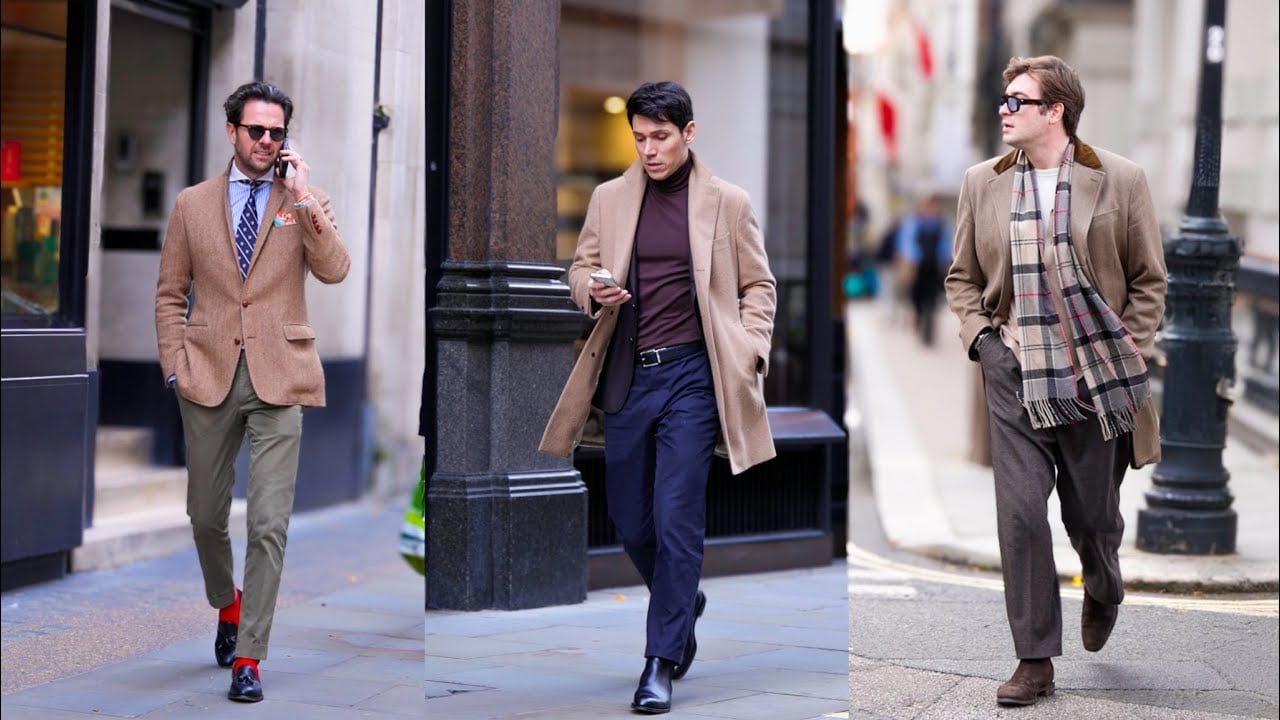
Transitioning from summer to fall is one of the easiest ways to refresh your wardrobe without buying an entirely new closet. The key is making thoughtful swaps instead of dramatic changes. Lightweight fabrics give way to richer textures, brighter colors gradually shift toward earthy tones, and layering becomes part of your everyday look. A well-planned seasonal transition also helps you get more wear from the pieces you already own, making your wardrobe more versatile while keeping your style polished from the first cool morning through the last warm afternoon.
Start With Comfortable Foundation Pieces
One of the smartest places to begin is with your everyday essentials. Instead of jumping straight into heavy wool trousers or thick denim, ease into autumn by adding men’s relaxed fit pants made from cotton twill, brushed canvas, or lightweight corduroy. These fabrics provide a little extra warmth while remaining comfortable during unpredictable weather.
Neutral colors such as olive, khaki, charcoal, and navy naturally fit the season and pair easily with nearly everything already hanging in your closet. If you’ve spent the summer wearing lightweight polos or linen shirts, keep them in rotation by layering them beneath overshirts or lightweight jackets rather than putting them away immediately.
Footwear should evolve alongside your clothing. White sneakers remain useful, but suede chukkas, leather sneakers, and classic loafers begin to feel more appropriate as temperatures drop. Small adjustments like these help your wardrobe look intentional without requiring a complete overhaul.
Master the Art of Lightweight Layering
Fall weather rarely stays consistent throughout the day, making layering one of the most valuable style techniques. Start with breathable basics such as quality T-shirts or lightweight button-down shirts. Add an overshirt, chore jacket, or unstructured blazer that can easily come off during warmer afternoons.
Texture becomes more important as the season changes. Mixing cotton, suede, knitwear, and brushed fabrics creates visual depth without relying on bold patterns or loud colors. A simple crewneck sweater worn over an Oxford shirt instantly feels appropriate for early fall while remaining comfortable indoors.
Outerwear should stay practical during this transition period. Lightweight bomber jackets, field jackets, and trucker jackets provide enough warmth for crisp mornings while avoiding the bulk of heavier winter coats. Choosing versatile pieces means you’ll wear them frequently throughout the season instead of saving them for only a few weeks each year.
Accessories can also help bridge the seasonal gap. A leather belt, a classic watch, or a simple knit beanie on cooler mornings can subtly reinforce the fall aesthetic without overwhelming your outfit.
Refresh Accessories With Seasonal Details
Accessories often receive less attention than clothing, yet they have a major impact on your overall appearance. Updating a few finishing touches is an easy way to make summer outfits feel ready for fall without replacing your core wardrobe.
One of the simplest upgrades involves men’s eyewear. Dark tortoise frames, matte black finishes, or deeper brown tones naturally complement autumn colors and pair well with heavier fabrics. Whether you wear prescription glasses or sunglasses, choosing styles that reflect the season helps create a more cohesive look.
Leather bags also begin to replace canvas totes as daily carry options. Messenger bags, briefcases, and structured backpacks in rich brown or black leather offer durability while matching the more refined feel of fall clothing.
Switching your watch strap from canvas or rubber to leather creates another subtle seasonal update. Even small details such as replacing bright summer socks with darker solids or understated patterns contribute to a more polished appearance.
Scarves are not always necessary early in the season, but having one available for cooler evenings adds both function and style without much effort.
Choose Colors That Reflect the Changing Season
Color plays a significant role in making your wardrobe feel appropriate for fall. This does not mean eliminating every bright piece you own. Instead, begin mixing those lighter items with richer shades that naturally reflect the changing landscape.
Earth tones remain reliable because they work well together without requiring complicated styling. Olive green, rust, burgundy, camel, chocolate brown, and deep navy all pair beautifully with denim, gray, black, and white basics. These combinations create outfits that look intentional while remaining easy to assemble on busy mornings.
Patterns can also shift with the season. Lightweight plaid shirts, subtle herringbone textures, and understated checks introduce visual interest without dominating an outfit. Reserve heavier flannel and thick wool fabrics for later in the season when temperatures consistently stay lower.
Layering multiple neutral shades often creates a more sophisticated appearance than relying on bold color contrasts. A cream sweater over a light blue shirt with olive pants, for example, delivers plenty of visual interest while remaining classic and easy to wear.
Focus on Versatility Instead of Quantity
One of the biggest mistakes people make during seasonal transitions is buying too many trend-driven pieces that quickly lose their appeal. Instead, concentrate on versatile clothing that works across multiple occasions and pairs easily with what you already own.
A quality overshirt can function as a light jacket outdoors and an additional layer indoors. Dark denim works equally well with casual sneakers or leather boots. Neutral sweaters complement everything from chinos to tailored trousers, making them dependable additions throughout the season. Before shopping, take inventory of your current wardrobe. You may discover that adding only a few carefully selected pieces fills several styling gaps. Investing in quality fabrics and timeless silhouettes often delivers more long-term value than chasing short-lived fashion trends.
As summer gradually gives way to fall, thoughtful layering, richer colors, and versatile essentials make the transition feel effortless. A few smart updates can keep your wardrobe looking fresh throughout the season without starting from scratch.