
Your boiler appears to be working normally. But when you check your radiators, they are cold or only partly heating up.
This does not necessarily mean there is a problem with the boiler itself. Your central heating relies on hot water circulating around a network of pipes and radiators. Anything that restricts that circulation can leave parts of your home cold.
The symptoms provide clues about where the problem lies.
Why is my boiler working but my radiators are cold?
Common causes include trapped air, low boiler pressure, stuck radiator valves and a build-up of sludge. Problems with the circulation pump can also prevent hot water from reaching your radiators.
First, check how many radiators are affected. This can help narrow down the possible cause.
If only one radiator is cold, the problem is more likely to be with that individual radiator. For example, its valve could be stuck or air may be trapped inside.
There could be trapped air in the radiator
Air can become trapped inside radiators and prevent hot water from filling them properly.
One of the easiest ways to recognise this problem is by carefully checking the radiator’s temperature. If it is warm at the bottom but noticeably colder towards the top, trapped air could be responsible.
Bleeding the radiator releases this air and allows water to circulate throughout it again.
Check the boiler pressure afterwards because bleeding radiators can cause it to fall. Always follow the instructions for your particular boiler when checking or adjusting its pressure.
A radiator valve could be stuck
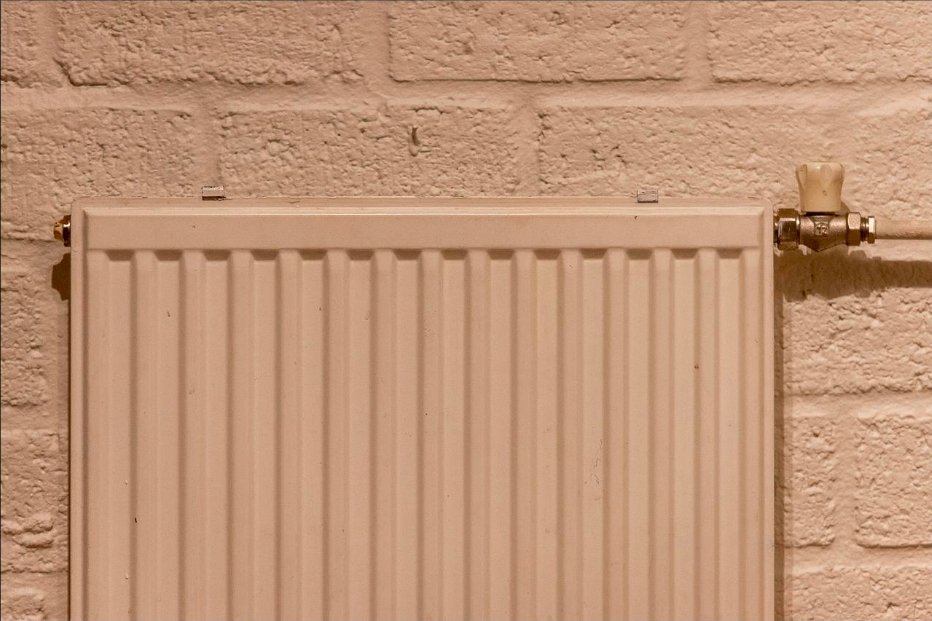
Thermostatic radiator valves control the flow of hot water into individual radiators. If a valve becomes stuck, the radiator may remain cold even when the rest of the heating system works normally.
This can become noticeable when you turn the heating on after warmer weather. A valve that has remained in the same position for several months may no longer move correctly.
If one radiator remains completely cold while others heat normally, its valves are one of the areas worth checking.
Sludge could be restricting the radiator
Cold areas do not always mean that air is trapped inside the radiator.
If a radiator is warm at the top but cold towards the bottom, deposits may have accumulated inside it. Over time, corrosion within a central heating system can create sludge that settles in radiators and pipework.
As the build-up increases, water has less room to circulate. Your heating system then has to work harder to distribute heat around the property.
Your central heating may need balancing
Central heating systems need to distribute hot water between several radiators. However, water does not always flow evenly around the system.
You may find that radiators close to the boiler become hot quickly while others take much longer. Some may never reach the same temperature.
Balancing adjusts the flow through each radiator so heat is distributed more evenly. This can improve comfort without increasing the temperature on your thermostat.
Check your boiler pressure
Low boiler pressure can affect how effectively water moves around some heating systems.
Many sealed systems have a pressure gauge on the boiler.
A one-off drop in pressure may be straightforward to correct according to the manufacturer’s instructions. However, pressure that repeatedly falls could indicate another problem.
For example, there may be a small leak somewhere in the system. A fault with another component could also be responsible.
If you repeatedly need to repressurise your boiler, it is worth having the cause investigated.
The circulation pump could be causing the problem
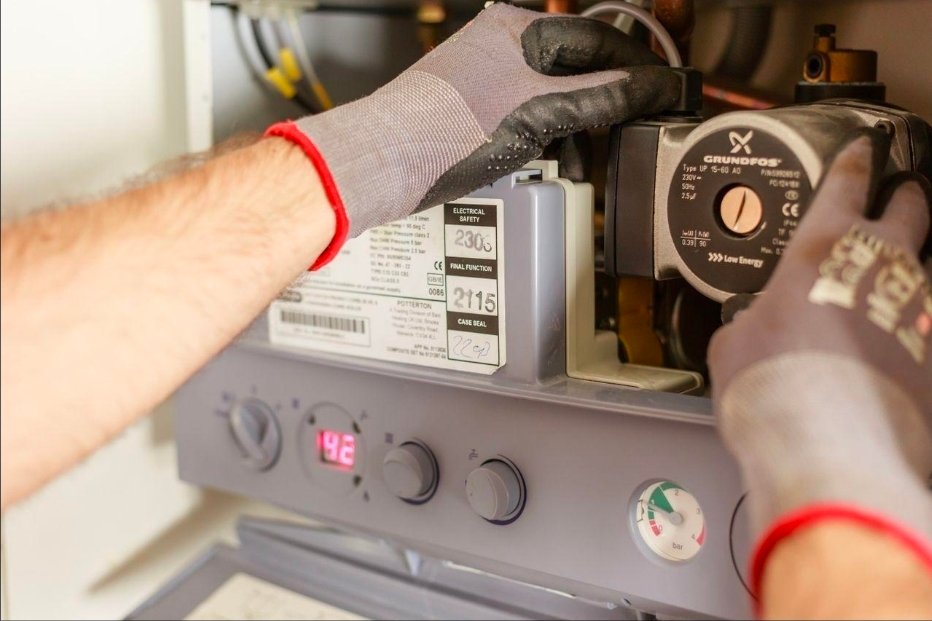
Your heating pump helps move hot water from the boiler through your pipework and radiators.
A pump problem can therefore leave radiators cold even though the boiler appears to be operating. Depending on the fault, you might also notice unusual noises or inconsistent heating around the property.
Could there be an airlock in the heating system?
Air does not only become trapped inside individual radiators. It can also collect elsewhere within a central heating system and restrict circulation.
An airlock can make the problem harder to identify because several radiators may be affected. You may also find that part of the system heats normally while another section remains cold.
When should you call a heating engineer?
You can check your thermostat, inspect the boiler pressure and identify which radiators are affected. Bleeding a radiator may also resolve trapped air.
However, recurring pressure loss, pump faults, persistent cold spots and wider circulation problems need professional investigation. Any work involving gas appliances must be completed by a Gas Safe registered engineer. Just do a quick search for a gas heating engineer near me.
Final Thoughts
Cold radiators do not automatically mean that you need a new boiler. Often, the boiler is producing heat but something is preventing that heat from reaching the right places.
Identifying the pattern can help point towards the cause. A cold top may suggest trapped air, while a cold bottom can indicate sludge. One cold radiator may have a local fault, while several cold radiators could point towards a circulation problem.