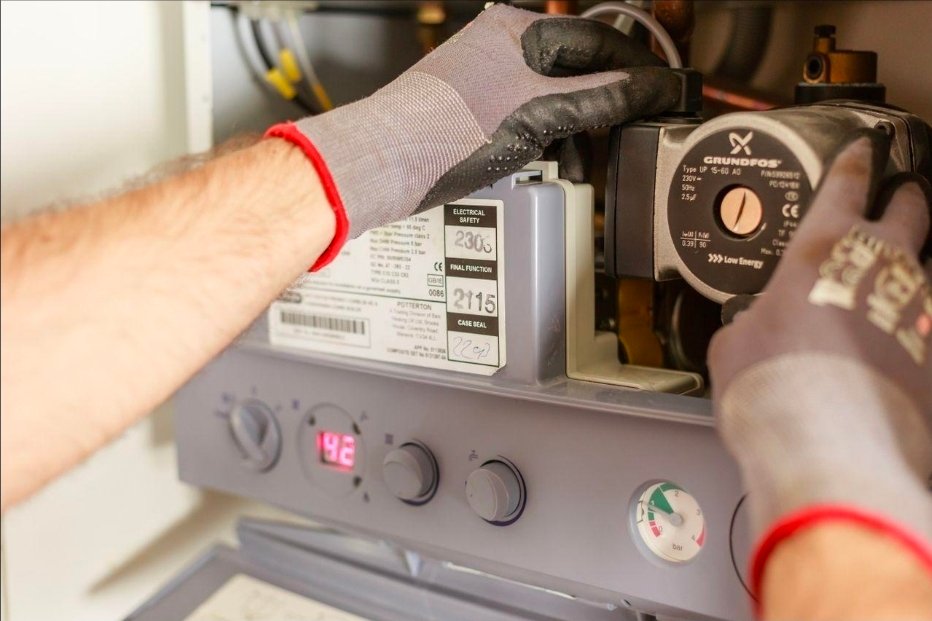

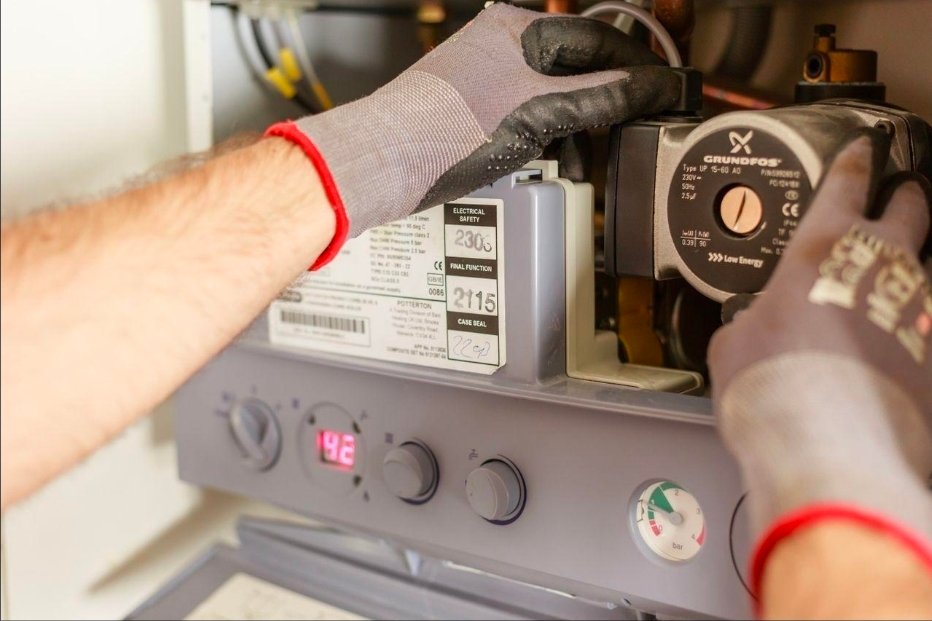
When you run into trouble with your boiler, it can be difficult to decide whether to repair or replace. Especially when the unit’s age and history are against it.
To tackle this dilemma, it’s a good idea to compare the price of repairs, how inefficient your current boiler is and the cost of having a new one installed.
How much do boiler repairs cost?
On average, boiler repairs in the UK cost homeowners £300. This is for standard repairs with the parts included.
The circumstances of the repair will impact the price you’re quoted. The main affecting factors are:
- How serious the fault is
- How old the boiler is
- The boiler brand
- The boiler type and size
- How expensive the replacement parts are
- Labour time
- Emergency call-outs
- Warranty or insurance
For difficult repairs that require a lot of labour, the cost could rocket into the £900 – £1200 range.
How much do boiler replacements cost?
Paying for a new boiler plus installation has a higher upfront cost than repairing parts, ranging between £1600 – £5000 in the UK.
At first glance replacement seems much more expensive, but for a boiler that’s repeatedly failing it’s worth it and, in the long run, more cost-effective.
When is repairing more sensible?
Repairing is usually the better option when your boiler:
- Is relatively new, under 7-8 years old
- Has been serviced annually
- Is suffering a one off issue rather than a history of repeated problems
- Has a minor fault
Smaller, one-off repairs are usually worth fixing, and a gas-safe engineer will likely advise you to do so if they believe it to be more practical. Especially if the boiler is still within its manufacturer warranty period or covered by your insurance.
When is replacing the better choice?
Replacing can make more sense when:
- Your boiler is 10 to 15 years old
- Frequent repairs are needed
- Repair cost quotes are too high
- The boiler is no longer energy efficient
- Your model has been discontinued, making it difficult to source parts
Sometimes a replacement is the more cost-effective and energy-efficient choice in the long run. If a single repair costs more than 30% of the price of a new boiler, then a replacement is usually more sensible. But this depends on the boiler’s history and age.
Payment support for boilers
Any work your boiler needs may be covered by insurance, warranty or a government scheme.
If two or more of the covers apply to you, make sure you compare the terms and conditions to see which one is most helpful. Some might require you to pay an excess, while others may not cover labour, for example.
Warranty
- If you had your boiler installed after you bought your home, check the documents you received with the boiler.
- If your boiler was already in your home when you purchased it, you can check its warranty by finding its serial number and asking the manufacturer.
Insurance
Before paying out for parts or a replacement, check if you have home emergency or boiler cover
It’s worth mentioning that if a fault is discovered during a boiler service, your insurance may not cover the cost. Equally, make sure to check the terms and conditions before claiming this cover as you may be required to have regular boiler services for it to be valid.
Energy company obligation (ECO) scheme
If your current boiler is:
- Inefficient
- Non-condensing
- 10 years or older
And you or your household receive specific means-tested benefits you may be able to receive a fully funded replacement boiler under the ECO4 scheme. This government funded programme helps facilitate boiler installations for low income households.
Final thoughts
Choosing whether to repair or replace your boiler is a question of what can I afford? And what makes the most sense for the future?
Any maintenance, service, repairs or regular checks carried out on your boiler must be completed by a registered gas-safe engineer, so they can advise you on the best next steps if you’re not sure what to do.