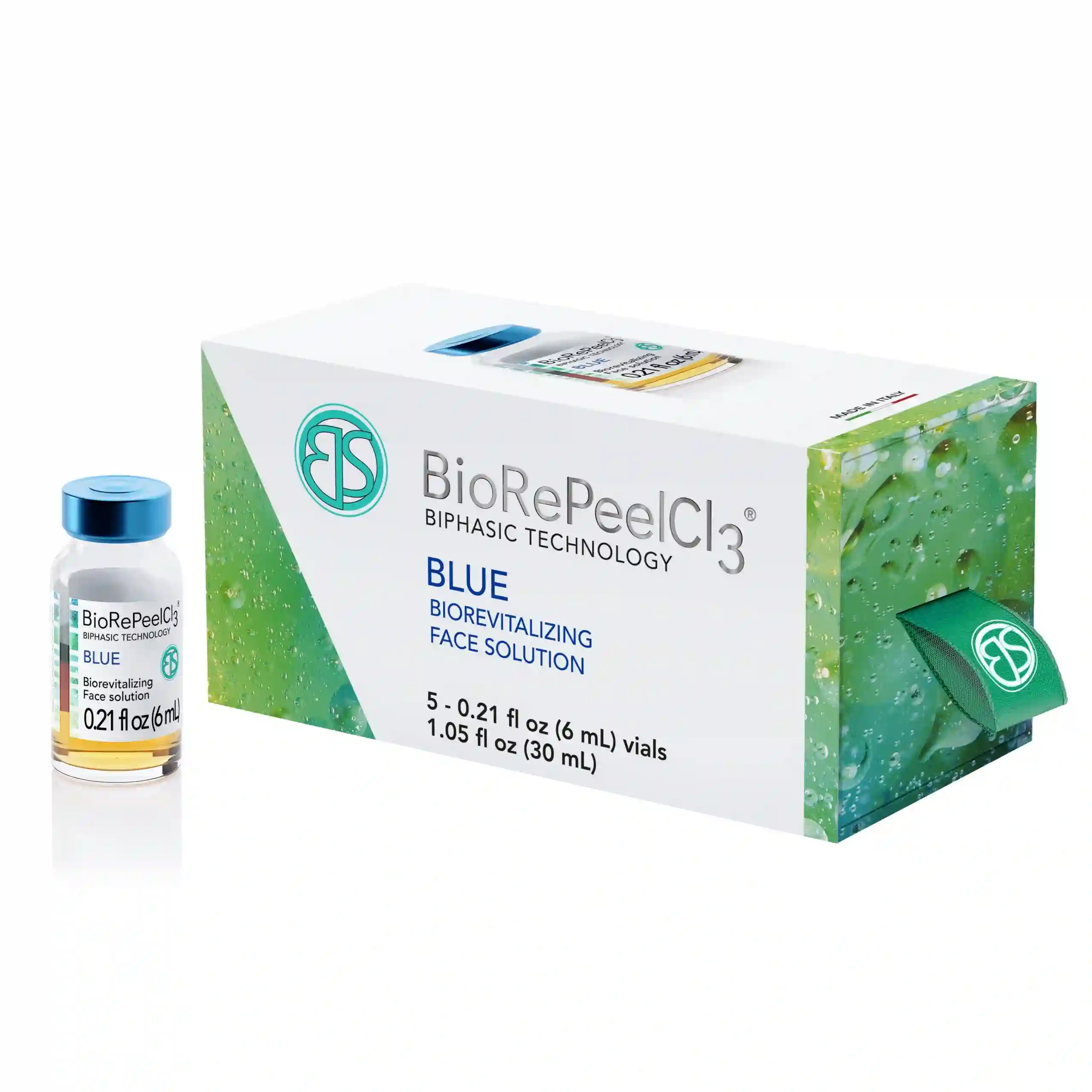
BioRePeel keeps showing up in skincare conversations right now, and understanding what it actually does helps separate the hype from the realistic results.
If skincare content has felt increasingly full of one specific treatment lately, there’s a reason. Clinics sourcing BioRePeel have seen demand climb noticeably as more people look for something between a basic facial and a more intensive chemical peel, and BioRePeel has landed right in that gap.
What Makes It Different From a Standard Peel
BioRePeel is a self-neutralizing peel, meaning it doesn’t require the same rinsing step traditional peels do, which shortens both the treatment time and the visible peeling phase afterward. It’s formulated to target uneven texture, dullness, and mild pigmentation without the multi-day downtime associated with deeper chemical peels.
Who Tends to See the Best Results
- People dealing with dullness or uneven texture rather than deep scarring
- Those wanting visible improvement without a week of obvious peeling
- Patients looking for a treatment that fits into a regular skincare maintenance schedule
- Anyone transitioning from at-home actives to their first in-clinic treatment
What the Actual Downtime Looks Like
Most patients experience mild redness for a day or two, followed by light, often barely noticeable flaking rather than the more dramatic peeling associated with stronger chemical peels. This is a big part of why it’s become popular with people who want visible results but can’t take several days away from a normal routine.
How Often It’s Typically Repeated
A single BioRePeel session provides visible improvement, but most practitioners recommend a short series, often three to four sessions spaced a few weeks apart, for more noticeable and longer-lasting results. Maintenance sessions every few months are common after the initial series.
Setting Realistic Expectations
BioRePeel is genuinely effective for texture and mild pigmentation concerns, but it isn’t a substitute for treatments addressing deeper structural aging, like volume loss or deep static wrinkles. A good consultation should be clear about which category a specific concern falls into before recommending it.
What to Ask Before Booking
A few direct questions tend to reveal how well a clinic knows the treatment: how many sessions are typically recommended for a specific concern, what the realistic downtime looks like, and whether the clinic sources the product through an authorized distributor rather than an unverified supplier.
Frequently Asked Questions
Is BioRePeel suitable for sensitive skin? Many formulations are designed to be gentler than traditional peels, but a patch test and a proper consultation are still the right way to confirm suitability for sensitive skin types.
How soon are results visible? Many patients notice a brightening effect within a few days, though the more noticeable texture improvement typically builds over a short series of sessions rather than appearing after just one.
Can BioRePeel be combined with other treatments? It’s often used alongside other treatments as part of a broader skincare plan, though spacing between different treatments matters and should be planned with a practitioner rather than done independently.