

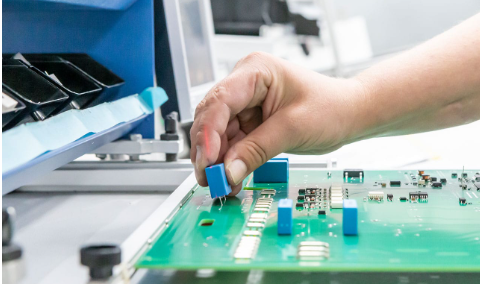
Bringing a new electronic product from an initial concept to a reliable working prototype requires more than simply manufacturing a circuit board. Engineering teams need to move through several stages, including design review, manufacturability analysis, prototype production, testing, revision, and final validation.
When these stages are properly connected, teams can identify problems earlier and reduce unnecessary prototype cycles.
PCB prototyping services can support this development process by providing physical boards that allow engineers to evaluate their designs in real-world conditions. Instead of relying only on design software and simulations, teams can test an actual prototype, identify areas for improvement, make design changes, and produce another version more efficiently.
Why PCB Prototyping Matters
A PCB prototype gives engineers an opportunity to evaluate how a circuit performs outside the design environment. A design may appear correct on a computer, but physical testing can reveal issues involving:
- Component placement
- Electrical performance
- Thermal behavior
- Signal integrity
- Overall functionality
Finding these problems early is important because design changes become more expensive and time-consuming after a product moves closer to larger-scale production. Prototype development provides an opportunity to identify weaknesses while changes are still manageable.
For startups and established electronics manufacturers alike, an efficient prototyping process can make product development more organized. The objective is not simply to receive a board quickly, but to create a reliable development cycle in which every prototype provides useful information for the next design revision.
The Design → DFM → Prototype Process
Effective PCB development starts with the design. Engineers define the circuit, component requirements, board structure, and other technical details needed for the product. However, a design that works electrically may still create manufacturing challenges.
This is where Design for Manufacturing (DFM) becomes valuable. A DFM review can identify potential production problems before the prototype is manufactured. Areas that may be reviewed include:
- Component placement
- Component spacing
- Soldering requirements
- Board construction
- Overall manufacturability
Engineering support can also include:
- Stack-up optimization
- Impedance-control guidance
- Panelization recommendations
- Design-adjustment suggestions
These reviews help engineers make practical changes before production begins rather than discovering avoidable problems after receiving the prototype.
Development Workflow
A stronger development workflow follows this sequence:
Design → DFM → Prototype → Test → Revision → Validation
Each stage contributes information to the next:
- Design: Establishes the technical requirements.
- DFM: Helps prepare the design for manufacturing.
- Prototype: Provides a physical version for evaluation.
- Test: Reveals potential performance or manufacturing problems.
- Revision: Incorporates necessary design improvements.
- Validation: Confirms whether the updated version meets the intended requirements.
Engineering Iteration Reduces Ineffective Prototype Cycles
One of the biggest advantages of engineering support is the ability to reduce ineffective prototype iterations. Producing multiple prototypes without addressing manufacturing or design concerns can consume both time and budget.
A DFM review before production can help engineers recognize problems that might otherwise appear only after assembly. Stack-up review can help ensure the board structure is appropriate for the design, while impedance guidance can support projects where controlled electrical characteristics are important.
Once a prototype is available, engineers can test it and use the results to determine what needs to change. This makes each new prototype more purposeful.
Working with a provider that combines manufacturing and technical support can make this process more efficient. FastTurnPCB provides free DFM support along with PCB prototyping capabilities, helping engineering teams review and improve designs before moving into production.
Prototype Lead Times That Support Development
Lead time remains an important part of prototyping because engineering teams need physical boards before they can complete meaningful testing. However, speed should support the development process rather than become the only objective.
FastTurnPCB provides different PCB turnaround times based on board complexity:
| PCB Type | Approximate Turnaround |
| 2–4 layer PCBs | About 48 hours |
| 6–8 layer PCBs | Around 3 days |
| 10–12 layer PCBs | Approximately 5 days |
| PCBA prototyping | About 2–3 days |
These lead times can help teams move from design completion to physical testing without unnecessary waiting. When a prototype is received sooner, engineers can evaluate it, identify changes, and begin preparing the next revision earlier.
The important point is that manufacturing speed becomes most valuable when it is connected to an effective engineering workflow.
Testing and Revision After Prototyping
Receiving a prototype is not the final step. Testing determines whether the physical board performs according to the intended design.
Engineers may evaluate:
- Electrical behavior
- Component performance
- Overall functionality
- Thermal characteristics
- Other project-specific requirements
If testing identifies an issue, the design can be revised. The updated design can then go through the same manufacturing preparation process before another prototype is produced.
This creates a continuous feedback loop. Instead of treating each prototype as an isolated manufacturing order, teams can use every version as a source of information for improving the next one.
The result is a more structured development path where design decisions are supported by physical testing rather than assumptions alone.
Moving from Prototype to Validation
As revisions are completed, the development process moves toward validation. The goal is to confirm that the updated design performs as expected and is ready for the next stage of development.
A reliable prototyping partner can make this transition easier by supporting the project across multiple stages. When engineering support, DFM review, PCB manufacturing, and PCBA capabilities are available through one provider, communication can remain more consistent throughout the development cycle.
This can also help teams avoid unnecessary delays caused by repeatedly transferring technical information between different suppliers.
Conclusion
Successful electronics development depends on more than producing a PCB prototype. The real value comes from connecting engineering review with manufacturing and testing in a structured process.
A workflow based on Design → DFM → Prototype → Test → Revision → Validation allows teams to identify problems earlier, make informed design changes, and reduce ineffective prototype cycles. Free DFM support, stack-up optimization, impedance guidance, design adjustments, and practical prototype lead times can further support this process.
With the right approach, PCB prototyping becomes an important engineering tool rather than simply a manufacturing step. By turning each prototype into useful feedback, development teams can move more confidently toward a validated design and a smoother path to production.