Every second counts in emergency situations. The first person to react typically decides the result, whether it’s a medical crisis, choking, a sudden collapse, or a major fall. For this reason, first aid and CPR specialists are regarded as the foundation of emergency response. They serve as a vital link between the time an event occurs and the delivery of cutting-edge medical care. When others would feel overwhelmed, their training enables them to remain composed, move swiftly to analyse the situation, and save lives.
The initial few minutes are crucial in many cases. If oxygen supply is cut off, brain damage may start within minutes, and severe bleeding can soon become life-threatening. CPR first aid professionals are trained to handle these circumstances using organised methods that maintain the patient’s stability until more assistance can be provided.
Taking Action Out Of Panic
Untrained onlookers sometimes feel shocked or afraid during a crisis, which might cause them to put off getting help. However, first aid and CPR personnel are trained to approach the problem rather than run from it. Their training emphasises making decisions under duress in addition to physical ability. They are able to prioritise treatment according to the patient’s health, make sure the setting is secure, and look for threats.
Technical knowledge is crucial, but so is the capacity for composure. By calming the wounded individual and others around them, a composed responder may lessen anxiety and provide a more controlled atmosphere. Trained people are vital in public areas, businesses, schools, and sports arenas because of their ability to lead during situations.
Skills That Can Save Lives And Have A Significant Impact
Their capacity to confidently and successfully provide first aid is one of their most important responsibilities. This includes helping someone who is choking, treating burns, stabilising fractures, controlling bleeding, and handling allergic responses. Despite their seeming simplicity, these steps may save lives and avoid issues if carried out promptly and accurately.
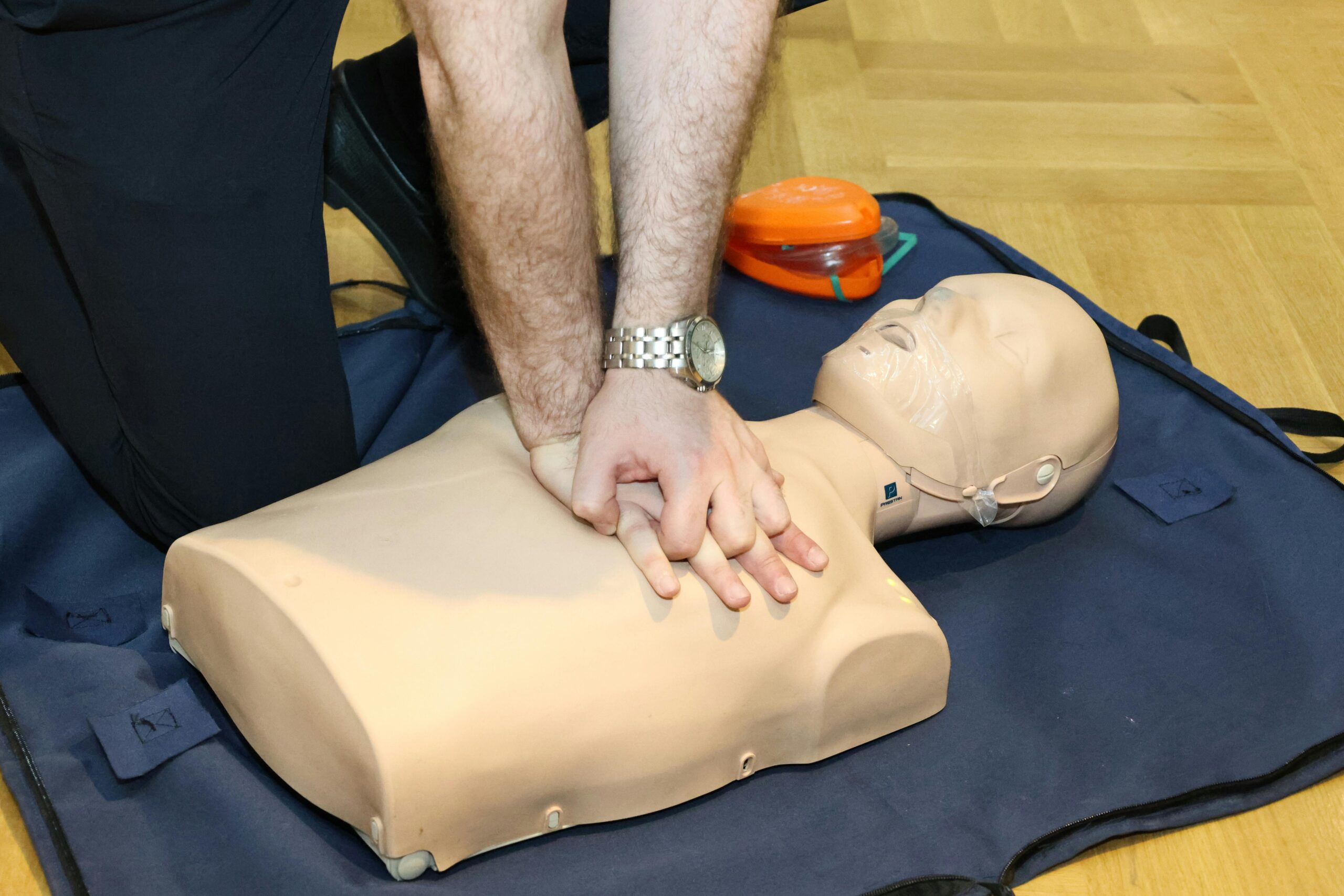
Particularly important are CPR abilities. Immediate chest compressions help keep blood flowing to the brain and other critical organs since cardiac arrest may occur suddenly. The use of automated external defibrillators, which may restore a normal cardiac beat, is another skill that professionals with CPR training possess. Survival rates are greatly increased by their timely intervention.
Increasing Safety At Work
To keep their workplaces safe, many organisations depend on first aid and CPR specialists. Office buildings, factories, retail establishments, and construction sites may all have accidents. Instead of waiting for outside responses, having qualified personnel on the scene guarantees that assistance is accessible right away.
Employers gain from lower risks and a better safety culture when members of their teams are capable of handling medical emergencies. In addition to protecting workers, this proactive strategy boosts staff confidence since they know that someone is ready to assist in an emergency.
The Benefits Of Accessibility And Local Training
Having access to high-quality training is crucial to producing competent responders. In rural locations, community-based programmes like a first aid course wagga wagga provide individuals with the chance to learn vital skills in their local community. Having locally trained personnel becomes even more crucial in areas where emergency services could take longer to reach.
Participants in these courses get practical experience and nationally recognised expertise. A community’s level of preparation increases as more members get training. As a result, a network of competent responders is established, enabling them to assist one another and their neighbours in times of need.
Assisting Communities And Families
First aid and CPR specialists are crucial outside of the job. Their abilities are equally useful in residential and communal contexts. Elderly people may collapse, children can choke on little items, and medical disorders like asthma or seizures can strike out of nowhere. The difference between a major emergency and a manageable crisis may be determined by the presence of a skilled individual.
In general, communities with more trained personnel are safer. Having individuals who are prepared to step in when necessary is beneficial for events, sporting activities, and get-togethers. This shared accountability fosters a culture of readiness and care and fortifies ties within the community.
Conclusion
The foundation of emergency response is made up of CPR and first aid experts. In the most dire situations, they provide prompt treatment, transforming anxiety into concentrated action. They are vital in every setting, from homes and workplaces to public areas and communities, because of their capacity to evaluate circumstances, carry out life-saving procedures, and assist others under duress. By making training and skill maintenance investments, these professionals contribute to a safer society where more people are ready to take action when it counts most.