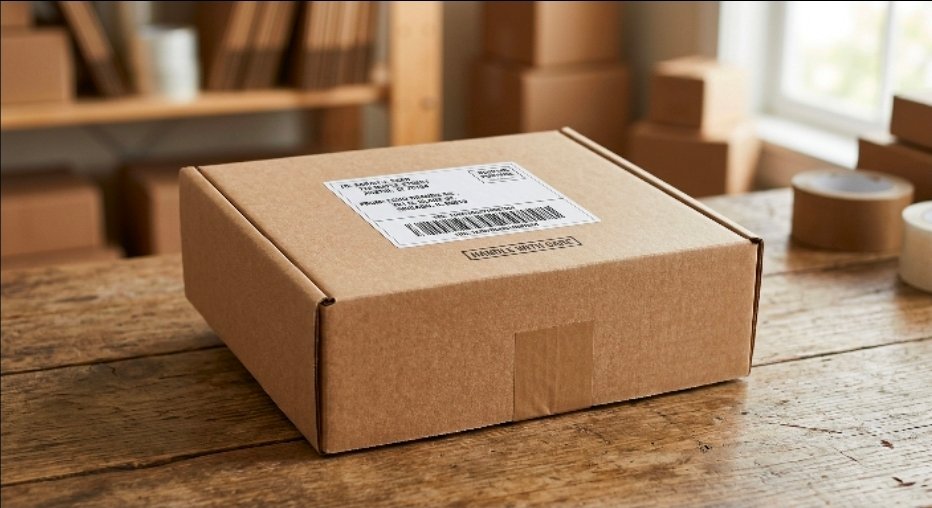
A retail client came to us recently having already ordered one batch of mailer boxes from another supplier — the wrong batch, as it turned out. They’d asked for “a mailer box” without realising that phrase covered half a dozen genuinely different constructions, and what arrived was a heavy-duty corrugated shipping style built for warehouse-to-warehouse transit, not the crisp, retail-ready presentation box their skincare range needed on a customer’s doorstep. Nothing was wrong with the box itself. It just wasn’t the right type for the job.
That mix-up is more common than it should be, because “mailer box” gets used as a catch-all term when it’s really a category with several distinct styles underneath it, each suited to different products, budgets and shipping methods. This guide breaks down the main types of mailer boxes available, the materials and board weights behind them, and how to match a construction style to what you’re actually shipping — so the next box you order is the right one the first time.
What Actually Separates One Type of Mailer Box From Another
Before comparing individual styles, it helps to know the three variables that define any mailer box type: how it’s constructed (one piece or two), what board it’s made from, and how it closes. Get a handle on these, and every style on the market becomes easy to place.
Construction is either single-piece — the box and lid are one continuous die-cut sheet, folded and locked together — or two-piece, where a separate base and lid slide together like a traditional shoebox. Single-piece styles dominate the direct-to-consumer mailer box market because they’re faster to assemble and cheaper to ship flat-packed; two-piece styles tend to appear where a more premium, rigid presentation matters more than shipping efficiency.
Board is either corrugated (fluted layers sandwiched between liners, offering cushioning and strength) or solid folding carton board (a single dense sheet, offering a smoother print surface and a more premium feel but less impact protection). The choice between them is largely a protection-versus-presentation trade-off.
Closure varies from simple tuck-in flaps to interlocking tabs to adhesive strips, and it affects both how fast a box can be packed and how secure it stays in transit without tape.
The Main Types of Mailer Boxes and What Each One Is Built For
Tuck-Top Mailer Boxes
The most widely used style for direct-to-consumer shipping is the tuck-top mailer box. A tuck-top mailer box has a single continuous lid that folds down and tucks into slots on the front panel, holding itself shut without tape or adhesive. It’s quick to assemble, ships flat, and works well across a wide range of products from apparel to cosmetics. The trade-off is that tuck-top closures rely on a snug fit to stay secure — an undersized or overpacked box can pop open in transit, which is exactly why getting the dimensions right matters as much as the style itself.
Roll-End Tuck-Top (RETT) Mailer Boxes
A corrugated variant built specifically for heavier or bulkier products. The ends roll and lock into the side panels before the top tucks down, creating a noticeably more rigid structure than a standard tuck-top. RETT boxes are the preferred option for heavier products — homeware, larger electronics, multi-item bundles — and for courier networks that are likely to handle them more roughly than lightweight parcels.
Snap-Bottom (Auto-Bottom) Mailer Boxes
These have a base that folds and locks into place automatically as the box is opened flat, removing the need to fold and tape the bottom separately. They’re a strong fit for high-volume fulfilment operations where pack-out speed matters—the time saved per box adds up quickly across a busy warehouse shift — though the automatic base mechanism generally needs a slightly heavier board to hold its shape reliably.
Two-Piece Rigid Mailer Boxes
A separate lid and base, often made from heavier folding carton board, that slide together rather than fold from a single sheet. This is the style most associated with premium unboxing experiences — jewellery, cosmetics gift sets, subscription boxes positioned at the higher end of a market. It costs more per unit than a single-piece corrugated box and doesn’t ship flat as efficiently, but the tactile, considered feel it gives a product is hard to replicate with a folded tuck-top style.
Die-Cut Mailer Boxes With Custom Inserts
Not a separate structural category so much as an enhancement — any of the above styles can be die-cut internally to hold an insert, tray or divider that positions a product precisely and stops it moving in transit. This is common for gift sets, multi-item bundles and anything with an irregular shape that a snug outer fit alone can’t secure.
| Mailer box type | Typical board | Best suited to | Assembly speed |
| Tuck-top | Corrugated (E-flute) or folding carton | General retail, apparel, cosmetics, small goods | Fast |
| Roll-end tuck-top (RETT) | Corrugated (B-flute or double-wall) | Heavier or bulkier products, homeware, electronics | Fast |
| Snap-bottom (auto-bottom) | Corrugated | High-volume fulfilment, repeat SKU shipping | Very fast |
| Two-piece rigid | Heavy folding carton board | Premium gifting, jewellery, subscription boxes | Slower |
| Die-cut with insert | Any of the above | Gift sets, multi-item bundles, fragile or irregular products | Moderate |
Corrugated vs Folding Carton: Choosing the Right Material for Your Mailer Box Type
Once the construction style is settled, the material choice depends on the level of protection the product requires and the desired quality of the finish.
Corrugated board — made from fluted layers between two liners — is the default for anything travelling through a courier network, as the flute structure absorbs impact and resists crushing. E-flute is thinner and takes fine print detail cleanly, suiting lighter products where presentation matters; B-flute and double-wall constructions add more cushioning for heavier or more fragile items.
Folding carton board is a single, denser sheet without the fluted layer. It doesn’t offer the same impact protection, but it takes a smoother, more premium print finish and holds sharp creases better. This makes it useful not only for two-piece rigid boxes and smaller, lighter tuck-top styles for cosmetics, jewellery and accessories, but also for supporting materials used around an exhibition display, where a clean, high-quality printed finish can help maintain a consistent brand presentation.
“The mThe mistake we see most often isn’t choosing the wrong style outright — it’s choosing a genuinely premium material for a product that’s going to be damagede parcel network, or over-specifying corrugated board for something that needed a lighter, smoother finish. Matching board to both the product and the shipping method is the part that actually protects the order.”
Matching a Mailer Box Type to Your Product and Shipping Method
A few practical scenarios cover most of the decisions brands actually face:
- Lightweight, everyday retail products (T-shirts, books, small accessories) generally suit a standard tuck-top mailer box in E-flute corrugated or a mid-weight folding carton — fast to pack, cost-effective, and adequately protective for typical courier handling.
- Heavier or bulkier items (homeware, footwear, multi-item orders) are better served by a roll-end tuck-top or double-wall construction, where the extra rigidity earns its cost back in fewer damage claims.
- High-volume fulfilment operations shipping the same SKU repeatedly benefit most from snap-bottom styles, where the assembly time saved per unit compounds across thousands of orders.
- Premium, gift-led or subscription products justify the higher per-unit cost of a two-piece rigid box or a heavily finished folding carton tuck-top, where the unboxing experience is doing real marketing work.
- Fragile, irregular or multi-part products need a die-cut insert regardless of the outer box style, since no amount of outer-box rigidity substitutes for the product being held securely in place.
From Choosing a Type to Ordering Your Custom Mailer Boxes
Once you know which construction and material suit your product, the rest of the specification — size, print finish, interior detailing — follows naturally, and it’s the same process we run through with every brand ordering their first custom batch. As a Croydon-based print and display studio serving London and clients across the UK, I YOU PRINT manufactures and prints mailer boxes in-house across these construction styles, so a change to board weight or closure type doesn’t mean starting the specification over with a different supplier.
Our custom mailer boxes range covers tuck-top, roll-end tuck-top and rigid styles across the board weights and finishes discussed here, with samples available before a full production run. If you’re weighing a mailer box against a different packaging format entirely, it’s worth browsing the wider custom packaging range, and anyone shipping in bulk corrugated cases alongside their retail mailer boxes may also want our cardboard packaging boxes options.
Choose the Type First, Then Specify the Rest
Getting the construction style and material right before you get into sizes and finishes saves a reprint down the line — a beautifully finished box built in the wrong style for your shipping method is still the wrong box. Once you’ve matched a type to your product, our custom mailer boxes page has the styles, board options and finishes ready to specify and order, with a straightforward path to a bespoke quote for anything that falls outside a standard build.
Mailer Box Type Questions We Hear Most Often
What are the main types of mailer boxes available?
The main styles are tuck-top, roll-end tuck-top (RETT), snap-bottom (auto-bottom), and two-piece rigid boxes, each built from either corrugated or folding carton board. The right choice depends on the product’s weight and fragility, the shipping method, and how premium the presentation needs to feel.
What’s the difference between corrugated and folding carton mailer boxes?
Corrugated board has a fluted inner layer that absorbs impact and resists crushing, making it the default for courier shipping. Folding carton board is a single, denser sheet that takes a smoother, more premium print finish but offers less impact protection.
What is a roll-end tuck-top (RETT) mailer box used for?
RETT boxes are a corrugated style with locking end panels that create extra rigidity, making them well suited to heavier or bulkier products like homeware and electronics that need more structural support than a standard tuck-top provides.
Is a self-locking mailer box the same as a tuck-top box?
Broadly yes — “self-locking” describes any mailer box that closes without tape, through folded and tucked or interlocking tabs, and tuck-top is the most common style built this way. Snap-bottom and RETT boxes are also self-locking, just with a different base or end construction.
Which type of mailer box is best for shipping fragile products?
A die-cut insert or tray matched to the product’s shape typically matters more than the outer box style, since it’s the internal fit that stops movement. Pairing that insert with a roll-end tuck-top or double-wall corrugated outer box gives fragile items the most reliable combination of secure fit and impact protection.
What is a two-piece rigid mailer box, and when is it worth the extra cost?
A two-piece rigid box has a separate lid and base that slide together, usually made of heavy folding carton board, giving it a premium, considered feel. It’s worth the added per-unit cost for gifting, jewellery, or subscription products where the unboxing moment genuinely enhances brand and marketing impact.
Can different mailer box types be printed with the same branding across a product range?
Yes — board type and construction style don’t limit print consistency, since artwork is built to each style’s own die-line rather than shared between formats. A brand can run a lightweight tuck-top for everyday orders and a rigid two-piece box for a premium line, both carrying the same logo, colours and finish.
Do all mailer box types ship flat before assembly?
Single-piece styles like tuck-top, RETT and snap-bottom boxes all fold flat for efficient storage and pop into shape at pack-out. Two-piece rigid boxes generally don’t fold flat in the same way, which is part of why they cost more to store and ship before use.