Most people searching for a lawyer are already stressed. Something has gone wrong, a contract dispute, a family breakdown, an employment issue, a brush with a regulation they did not know existed, and they are now trying to figure out who to trust with a problem that genuinely frightens them. That search almost always starts online and it almost always involves looking at multiple websites before a single phone call is made.
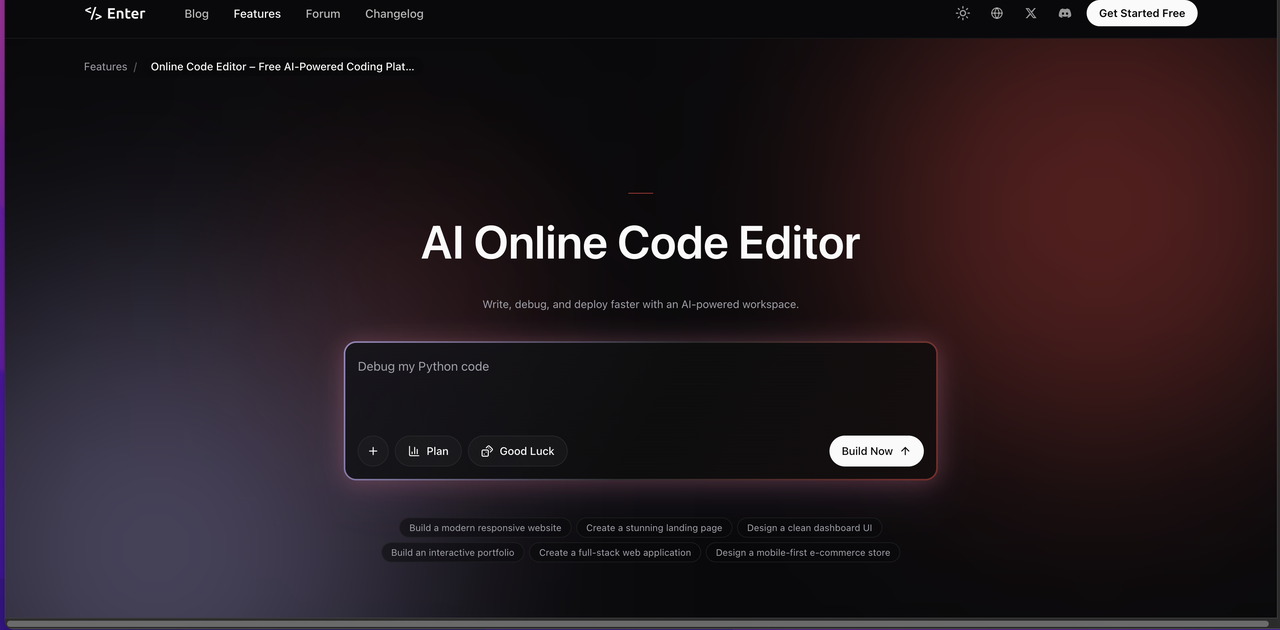
The legal profession has been slow to treat its online presence as a priority and that hesitation is costing firms and solo practitioners real business every month. Clients are making trust decisions based on what they find online long before they ever speak to anyone. Enter Pro is one of the platforms legal professionals are using to build that trust digitally without the complexity of a custom-built site. For those who want precise control over how their practice areas and credentials are presented, having a free code editor available within the platform means those specific refinements are always within reach.
Why Legal Websites Feel So Lifeless and What to Do About It
Spend ten minutes looking at law firm websites and a pattern emerges quickly. Dark navy backgrounds, stock photos of gavels and courtrooms, paragraphs of dense text about decades of combined experience, and a contact form at the bottom of a page no one ever reaches.
These websites fail not because the lawyers behind them are not good at what they do. They fail because they were built to impress other lawyers rather than reassure anxious clients. The language is insider language. The design signals formality over approachability. And nowhere does the website answer the question a frightened person is actually asking: can you help me and can I trust you?
The firms that consistently attract good clients online are the ones that write and design for the person sitting across the desk, not for the profession standing behind it.
Speaking to the Client’s Fear Before You Speak to Their Case
Legal clients do not lead with facts. They lead with feelings. Fear of losing something, of being treated unfairly, of not understanding a system that has enormous power over their situation. A website that acknowledges those feelings before launching into a list of practice areas and bar admissions creates an immediate connection that clinical, credential-heavy copy simply cannot.
This does not mean being unprofessional. It means being human first. A short line on your homepage that shows you understand what brings someone to a lawyer in the first place does more for trust-building than a paragraph about your track record. Both matter but the order in which you present them changes everything.
Picking the Right Platform for a Professional Services Website
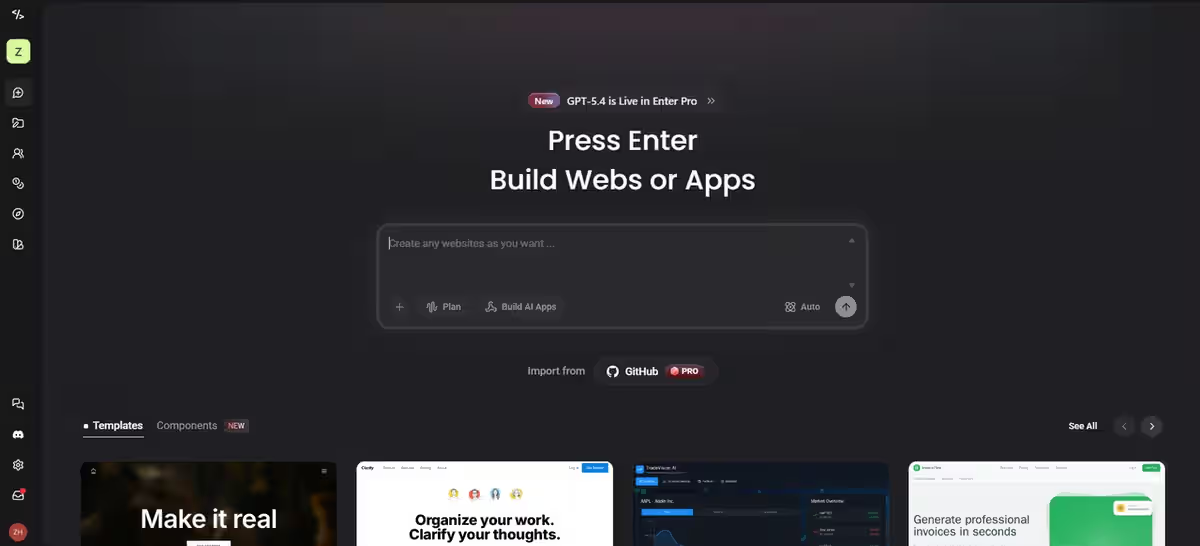
Legal websites have specific credibility requirements that differ from most other professional sites. The design needs to feel authoritative without feeling cold. Content needs to be detailed enough to demonstrate genuine expertise without crossing into advice that creates liability. Contact and intake systems need to work flawlessly because a missed inquiry in the legal world can mean a lost client who was in genuine need.
Before building anything, going through a careful comparison of the best website maker options with professional services firms in mind is time well spent. The right platform handles secure contact forms, clean typography for text-heavy content, and a professional aesthetic that can be customized to your specific practice without requiring a complete rebuild every time your focus shifts.
The Practice Area Page That Actually Brings in Cases
Most law firm websites have practice area pages that read like Wikipedia entries. Accurate, thorough, and completely useless for converting a visitor into a client.
A practice area page that works does something different. It starts with the situation a potential client is in right now. It describes the problem in plain language, the kind of language the client themselves would use rather than the terminology their lawyer would use. It explains what the legal process looks like in human terms and what your role in that process is. And it ends with a clear and frictionless way to take the next step.
The difference between a page written for search engines and legal peers and a page written for someone sitting at their kitchen table at midnight trying to figure out what to do is enormous. Both can rank well. Only one converts.
Building Credibility Without Crossing Ethical Lines
Legal marketing has ethical constraints that most other industries do not. Claims about outcomes, guarantees, and comparative statements about other firms are regulated in most jurisdictions and for good reason. That constraint can feel limiting when you are trying to differentiate yourself online.
The solution is demonstrating expertise rather than claiming results. Publishing genuinely useful legal content, plain language explanations of common legal situations, guides to understanding a particular process, updates on relevant legislative changes, positions you as a knowledgeable and trustworthy professional without making claims that cross ethical lines.
Enter Pro makes maintaining a content section alongside your main site straightforward enough that publishing a monthly article or legal update does not become a project in itself. Over time that content builds both your search visibility and your credibility with potential clients who read it before deciding whether to reach out.
The Follow Up System Your Website Should Be Feeding
Getting an inquiry through your website is just the beginning. What happens in the hours after that inquiry determines whether it becomes a client relationship or a missed opportunity.
A website that captures the right information upfront, practice area, nature of the issue, urgency level, and preferred contact method, makes the follow up faster and more relevant. A potential client who receives a response that clearly references what they described in their inquiry feels heard before the relationship has even formally started. That feeling of being understood is precisely what a stressed person looking for legal help is hoping to find.
Conclusion
The legal profession runs on trust and trust increasingly begins online. A website that communicates competence without coldness, expertise without inaccessibility, and genuine understanding of what brings someone to a lawyer in the first place is not a marketing exercise. For the person searching for help at a difficult moment in their life, it is the first evidence that they may have found the right person to help them through it.