The European energy landscape is at a critical crossroads. Under the dual pressures of the green transition and a newfound urgency for energy independence, the continent has accelerated its renewable energy rollout to record-breaking speeds.
However, a severe disconnect has emerged: while wind and solar capacity are surging, the underlying grid infrastructure and traditional operational models are lagging.
This infrastructure gap threatens to stall the transition, as the 20th-century grid struggles to handle the bidirectional, intermittent nature of 21st-century power generation.
Congestion and Grid Connection Delays in Europe
1. Current Issues and Market Impact
- Backlog of Applications
According to analysis by Aurora Energy Research[1], there is currently over 1 terawatt of renewable energy projects across Europe queuing for grid connection approval. In renewable energy hotspots such as Spain, Italy, and Greece, as well as in areas with weak grid infrastructure, the waiting period to obtain final grid connection permits has generally extended to 4–7 years, significantly increasing uncertainty in the early stages of project development.
- Frequent Curtailment
The prolonged wait directly leads to frequent “wind and solar curtailment.” Due to saturated local grid capacity, completed wind and solar power stations often cannot operate at full capacity, resulting in a substantial waste of clean electricity.
- Investment Risk
Uncertain grid connection timelines and potential curtailment risks raise project financing costs and risk premiums, forcing many small and medium-sized developers to postpone or even cancel their projects.
2. Root Causes of the Bottleneck
- Lagging Grid Infrastructure Development
Over the past decades, investment in Europe’s power grid has remained persistently insufficient. In particular, the expansion of transmission networks and the development of cross-border interconnections have progressed at a slow pace, making it difficult for the grid to accommodate the geographically concentrated deployment of renewable energy resources.
- Mismatch Between Grid Design Paradigms and the Evolving Energy Mix
Europe’s electricity system has traditionally been built around a centralized generation model, characterized by large-scale power plants, unidirectional power flows, and largely passive consumers. By contrast, a power system with a high penetration of renewable energy requires bidirectional interaction, fast-response capabilities, and a highly digitalized operational framework. The fundamental misalignment between these two paradigms has become increasingly evident.
- Administrative and Regulatory Complexity
Cross-regional and cross-border grid projects typically involve multiple national authorities, environmental impact assessments, and public consultation processes. These procedures are often lengthy and complex, resulting in high coordination costs and significantly delaying the rollout of critical grid infrastructure.
The Strategic Role of Renewable Energy Suppliers
Faced with the long-term nature and administrative complexities of grid upgrades, the urgent task of alleviating pressure on Europe’s energy system in the short term largely falls on technology and equipment suppliers capable of providing immediate solutions. Meanwhile, the policy direction of the European Union is fundamentally reshaping the market landscape.
Therefore, the role of renewable energy suppliers like Sungrow has undergone a strategic transformation: they are no longer mere equipment providers but increasingly becoming key enablers of Europe’s energy sovereignty and industrial security.
1. Building Technological Autonomy
By localizing manufacturing and establishing resilient supply chains for critical grid technologies, from advanced inverters to battery cells, these renewable energy suppliers help decrease the continent’s structural dependence on imported fossil fuels. This move secures control over core infrastructure and prevents new strategic dependencies from emerging.
2. Enhancing System Resilience and Diversification
Furthermore, suppliers empower a more resilient and diversified energy system. Their solutions for distributed photovoltaics, community-scale advanced energy storage systems, and microgrids decentralize energy generation. This alleviates grid congestion, boosts local self-sufficiency, and inherently enhances grid stability against disruptions, thereby strengthening Europe’s overall energy resilience.
Impact of the EU Net-Zero Industry Act (NZIA) on Supplier Selection
The introduction of the Net-Zero Industry Act (NZIA) has fundamentally redefined procurement priorities across Europe. Since coming into full force for auctions in early 2026, the NZIA has decisively shifted the market paradigm from selecting the “cheapest bid” to rewarding the “most resilient and sustainable offer.”
1. “Local Content” as a Critical Benchmark
While the NZIA stops short of imposing strict local quotas, the NZIA introduces decisive non-price criteria, such as “Sustainability and Resilience Contribution”, into public procurement and auctions. This framework systematically prioritizes bids with higher local content, lower carbon footprints, and more transparent supply chains. Consequently, a supplier’s presence in Europe has transformed from a competitive advantage into a decisive qualifying factor.
2. Upgraded Technological and Environmental Standards
The NZIA mandates a significant elevation of product and process standards. Suppliers are now required to comply with stricter ecodesign, circularity, and sustainability regulations. Beyond delivering high-performance products, they must provide verifiable evidence of low-carbon manufacturing processes, product recyclability, and rigorous adherence to environmental and social due diligence protocols.
3. Reshaping the Competitive Landscape
Through a combination of streamlined permitting, the creation of “Net-Zero Industrial Valleys,” and targeted financial support, the NZIA actively cultivates European industrial champions. It is transforming the global renewables market into a comprehensive contest that evaluates supply chain localization, sustainability, and regulatory alignment. The result is the strategic reshaping of the European market from an open global marketplace into a rules-based ecosystem with distinct European preferences.
Role of Advanced Inverters and Energy Storage Systems
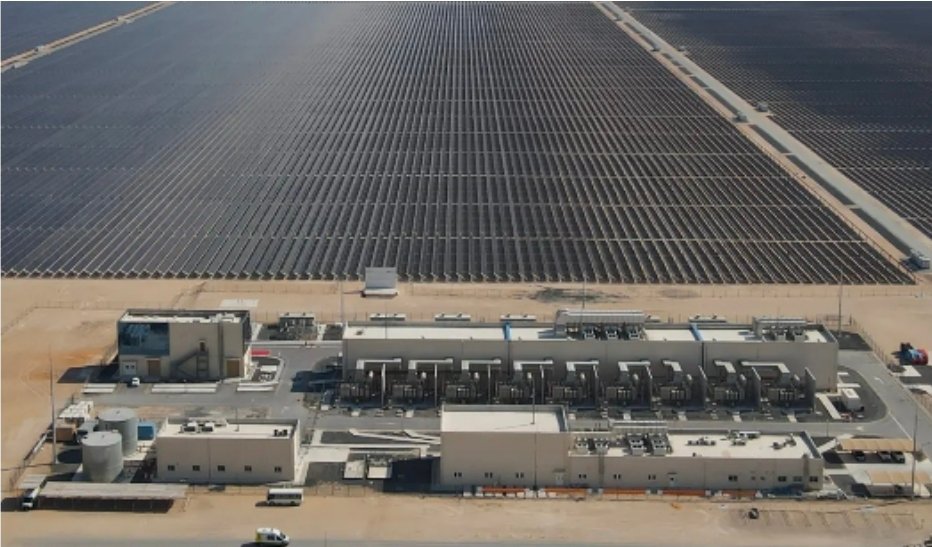
As their penetration increases, renewable energy supply must evolve from “passive power providers” to “active grid supporters.” Advanced inverters and energy storage systems are the two technological cornerstones enabling this critical shift.
-
System Support Functions of Advanced Inverters
- Dynamic Voltage and Frequency Regulation: Through millisecond-level control of active and reactive power, advanced inverters can maintain real-time voltage stability at the point of connection.
- Fault Ride-Through (FRT) Capability: During instantaneous grid voltage dips, advanced inverter technologies, as exemplified by Sungrow, ensure equipment remains online within specified limits, preventing widespread disconnection risks and significantly enhancing system robustness.
- Providing Virtual Inertia: Using algorithms to mimic the rotational mass characteristics of synchronous generators, virtual inertia technology allows inverters to detect the Rate of Change of Frequency (RoCoF) and instantaneously inject or absorb power to dampen rapid frequency fluctuations.
-
System Service Value of Energy Storage Systems
- Energy Time-Shifting and Renewable Integration: The advanced energy storage systems resolve the temporal mismatch between peak generation and peak demand, guaranteeing that “green” electrons are utilized when they are most needed.
- Enabling Multi-Layer Ancillary Services: With their fast response and high regulation accuracy, storage systems can offer various grid services, including frequency regulation, spinning/non-spinning reserves, and black-start capabilities.
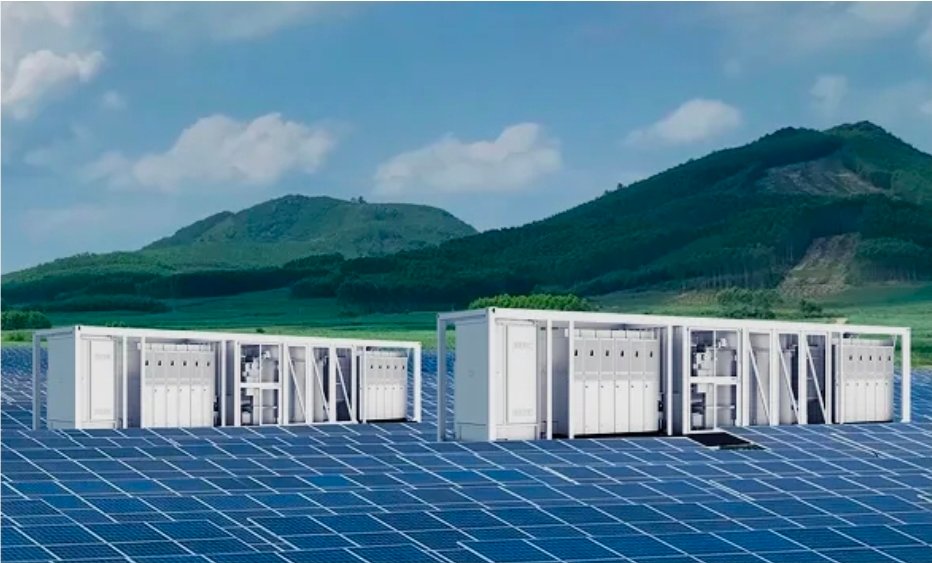
- Alleviating Local Grid Congestion and Deferring Network Investment: At the distribution grid level, liquid-cooled energy storage systems like Sungrow PowerTitan can smooth load profiles through localized charging and discharging. This “storage-as-an-alternative-to-construction” model not only alleviates overload stress on transformers and lines but also defers costly physical grid expansion investments, significantly improving the utilization efficiency of existing assets.
Conclusion
The role of renewable energy equipment suppliers has undergone a fundamental transformation. They are no longer merely hardware vendors providing photovoltaic panels or inverters, but have become strategic partners for Europe in achieving energy sovereignty, grid stability, and industrial competitiveness.
In this evolving landscape, Sungrow has positioned itself as a key collaborator by delivering comprehensive, localized solutions, spanning from core hardware to full-scenario applications.