A polished event does not need to be filled from wall to wall with flowers, balloons, signage, backdrops, and elaborate rentals. In fact, some of the most sophisticated events feel impressive because the design is selective rather than excessive. Instead of spending money everywhere, hosts can focus attention on a few places where guests naturally look, gather, or take photographs. Thoughtful use of lighting, color, movement, and space can create far more impact than simply adding more decorations.
Put Some of the Drama Into the Finale
A memorable visual moment can sometimes do more for an event than another room full of décor. At a wedding, wedding sparklers can transform the end of the evening into a dramatic moment without requiring permanent decoration throughout the venue. The effect is temporary, which is precisely why it feels special. Guests participate in the scene instead of simply looking at something that was arranged for them.
Thinking this way can also help with the budget. Rather than spending heavily on dozens of small decorative elements, hosts can choose one or two experiences that create a strong impression. The event then feels dynamic rather than merely decorated. Movement and participation often create visual richness that static objects cannot.
Choose One Bold Visual Centerpiece
The same strategy works for other milestones. A smoke bomb gender reveal can make color itself the focal point of an outdoor announcement, reducing the need for every surface to be covered in themed decorations. Guests know exactly where to look when the main moment happens. Photographs also gain a strong visual element without requiring an elaborate set.
A focal point works best when the surrounding design is relatively calm. Too many competing colors, props, and decorations can make the central moment feel less important. Leaving some visual space allows the main feature to stand out. Expensive-looking design often depends as much on restraint as on what is added.
Use Lighting Before Buying More Décor
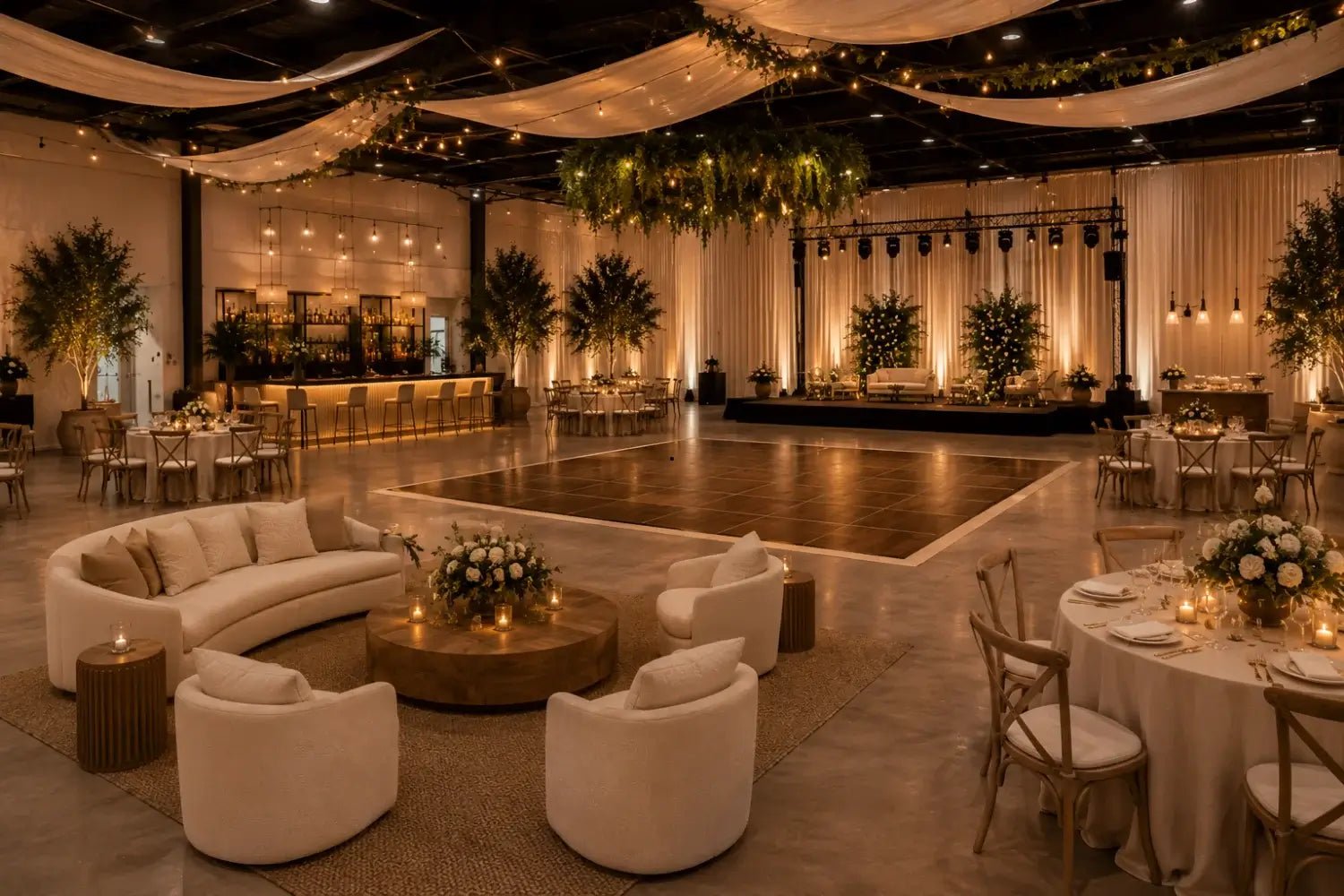
Lighting can change the perceived quality of a space faster than almost any decorative purchase. Warm, layered lighting can soften an ordinary room, highlight architectural features, and make inexpensive tables or furniture feel more intentional. Harsh overhead lights, by contrast, can flatten even an expensive setup. Before buying more objects, it is worth asking whether the room simply needs better light.
The best results usually come from several sources. String lights, lamps, candles where appropriate, uplighting, and small table lights can work together to create depth. The goal is not to make everything dim but to avoid lighting the entire venue exactly the same way. Variation helps guide attention and creates a more polished atmosphere.
Limit the Color Palette
Using too many colors is one of the easiest ways to make an event feel visually busy. A limited palette creates consistency even when individual items come from different vendors or price points. Two or three main colors, supported by a neutral background, are often enough. Repeating those colors across invitations, linens, flowers, signage, and small details creates the impression of a coordinated design.
This approach also makes shopping easier. Hosts can say no to attractive items that do not fit the overall look rather than accumulating disconnected decorations. A strong palette becomes a filter for every decision. Consistency often reads as luxury because the event appears deliberate.
Spend More Where Guests Actually Look
Not every part of a venue deserves equal investment. Guests naturally notice entrances, dining areas, bars, stages, dessert displays, and places where photographs are taken. Storage corners, secondary hallways, and unused walls rarely need the same treatment. Understanding where attention goes allows hosts to concentrate the budget rather than spreading it too thin.
This is particularly useful for larger venues. Trying to decorate every square foot can quickly become expensive while producing surprisingly little additional impact. A few beautifully finished areas surrounded by clean, uncluttered space often look more sophisticated. Empty space can function as part of the design rather than something that must be filled.
Use Texture Instead of More Objects
Texture can add depth without adding clutter. Linen, wood, greenery, glass, metal, fabric draping, paper, and natural materials all interact differently with light and create visual interest. A table with a textured runner, simple dishes, and one well-chosen centerpiece may look more refined than a table covered in numerous decorative items. The eye has enough variety without becoming overwhelmed.
This principle can be applied throughout an event. A fabric backdrop may need little additional decoration, while greenery can soften a hard architectural space without requiring dozens of individual accessories. Even food displays can contribute texture through trays, stands, and serving pieces. Good styling considers surfaces and materials, not just objects.