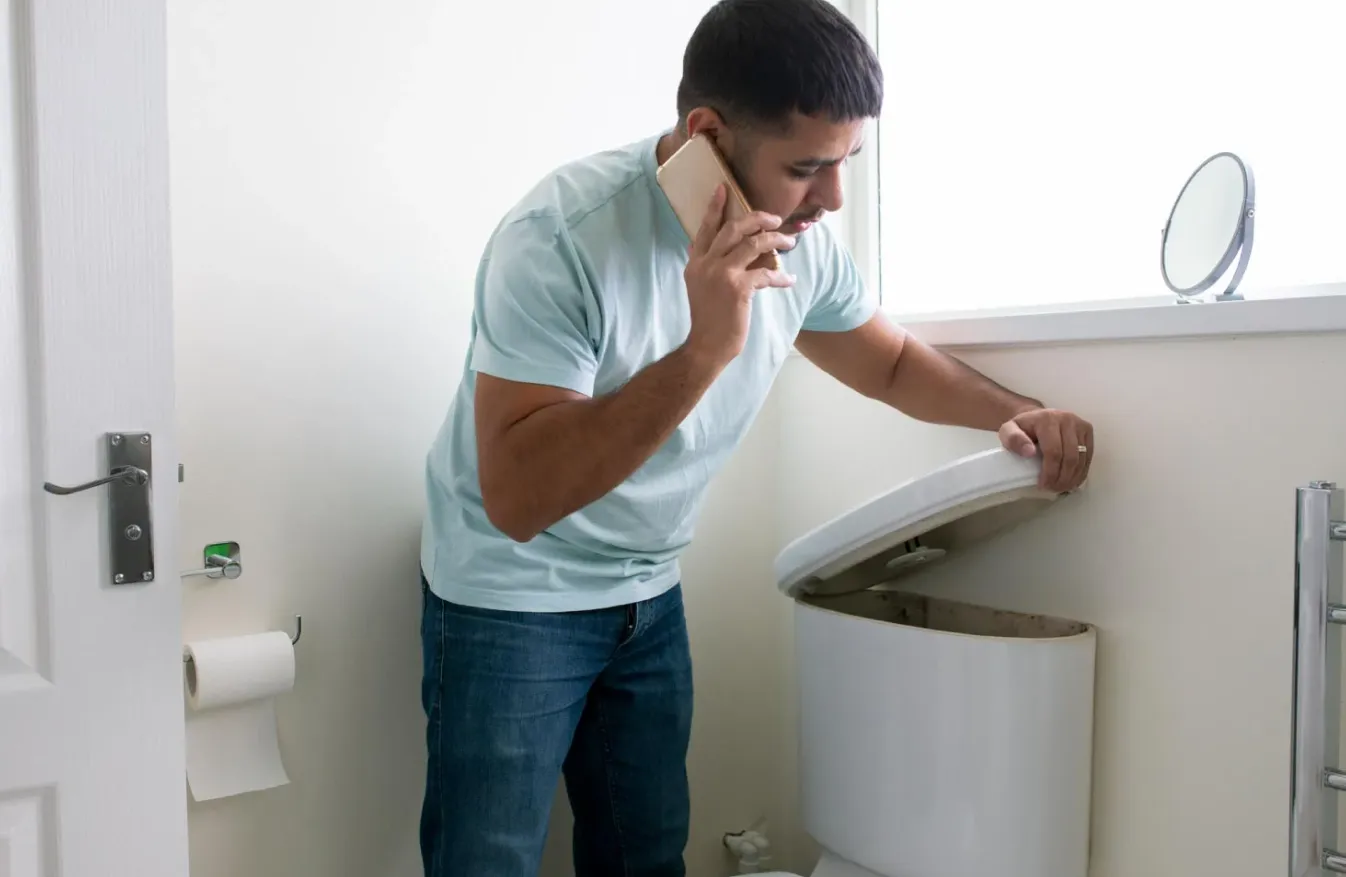
Late-night plumbing emergencies are an all-too-familiar predicament for many households. Picture this: you’re settling in for a peaceful night’s sleep when suddenly, the unmistakable sound of running water breaks the tranquillity. Whether it’s the unsettling thought of a toilet overflow or the frustration of a stubborn blockage, the urgency and stress of these situations can be overwhelming. The focus here is to shed light on what happens during an emergency plumber call-out, helping homeowners manage the chaos with less panic and more poise.
Understanding what occurs during a professional intervention can make all the difference. Not only does this knowledge assist in managing expectations, but it also empowers you with the information necessary to act swiftly and effectively.
Why Plumbing Disasters Often Strike at Night
Have you ever noticed that plumbing mishaps seem to choose the most inconvenient times to make an appearance? There are several reasons why these disasters frequently occur after dark. The daily wear and tear on plumbing systems accumulates over time, often culminating in a problem during the quiet hours of the night. It’s during these periods of inactivity that weak points in the system might finally give way.
Consider the typical household’s rhythm. Dishwashers, washing machines, and showers see significant use during the day. All that activity strains pipes and toilets, leading to potential failures once everything quietens down. Moreover, the psychological aspect plays a role; at night, senses are heightened, and minor issues might appear more daunting, driving the need for immediate resolution.
How to Handle an Immediate Toilet Crisis
When a toilet crisis strikes, it’s crucial to remain composed while taking swift action. First and foremost, locate the water shut-off valve, typically found near the base of the toilet. Turning off the water supply can prevent a minor problem from becoming a full-scale disaster. Ensuring that any excess water is contained can also mitigate water damage.
Safety should be a top priority. If there’s significant flooding, ensure any electrical elements are kept dry, reducing the risk of electric shock. It’s equally important to acknowledge when professional intervention is required. While some smaller clogs might be tackled with a plunger, persistent or complex issues often demand a plumber’s expertise.
Contacting a Plumber: What to Expect
Once you decide a professional call-out is necessary, knowing what to expect can ease stress. When reaching out to an emergency plumber, be prepared for variable response times. Many services operate round-the-clock, though wait times might lengthen during peak hours.
Efficiency hinges on communication. Providing specific information about the issue – such as the problem’s location and any noticeable symptoms – can expedite the diagnosis. It’s also helpful to share any DIY measures attempted. Initial quotes might vary, but reputable services typically offer estimates that include potential costs.
The Plumber’s Arrival: Assessment and Action
Upon arrival, a plumber will conduct a thorough assessment to identify the root of the problem. This diagnostic phase is crucial, as it sets the course for effective resolution. Common repairs may involve addressing blockages, fixing leaks, or replacing faulty components.
Plumbers come equipped with an array of tools and technologies to tackle issues efficiently. From advanced cameras to detect internal pipe problems to powerful draining machines, the arsenal at their disposal ensures comprehensive repairs. They aim for long-term solutions, not just quick fixes, ensuring such emergencies are less likely to recur.
Preventive Measures Post-Repair
Once the repair is complete, taking proactive steps can help prevent future disruptions. Regular plumbing maintenance is invaluable, yet often overlooked. Simple practices, such as avoiding flushing non-decomposable items and checking for slow drains, contribute significantly to system longevity.
It’s advisable to periodically monitor plumbing fixtures for any signs of wear. Early intervention can prevent minor issues from becoming major concerns. Additionally, scheduling professional inspections can provide peace of mind, as expert eyes might detect potential issues invisible to the untrained eye.
Conclusion
In summary, while late-night plumbing emergencies can be daunting, knowing what to expect from a plumber call-out makes them more manageable. Timely action, combined with professional expertise, is crucial in mitigating damage and restoring order. By implementing preventive measures, homeowners can significantly reduce the risk of future nighttime disasters. Remember, while such incidents may feel overwhelming, maintaining a level head and staying informed can make all the difference in handling plumbing challenges effectively.