In domestic and professional hygiene, some substances do not need impressive descriptions because their importance comes from everyday effectiveness. This is how hypochlorite works: a chlorine compound used wherever disinfection, limiting the growth of microorganisms, neutralising odours and keeping surfaces safe for further work are essential. However, it is not an ordinary cleaning liquid that can be used intuitively. Its strength comes from its oxidising action, which means that the right concentration, contact time, ventilation and compliance with the manufacturer’s instructions are just as important as choosing the product itself.
What is sodium hypochlorite and where does its action come from?
This alkaline solution containing active chlorine is valued mainly for its fast action against biological contamination and its suitability for many hygiene procedures. In practice, it helps reduce microorganisms on resistant surfaces, remove some organic stains and lessen unpleasant odours that appear in damp or heavily used areas. It should be remembered, however, that the effectiveness of the product does not come from the “strength of its smell”, but from the correct dose and sufficient contact with the surface. Too short a contact time may not deliver the expected result, while too high a concentration increases the risk of damaging materials.
The properties of a chlorine-based agent also depend on storage conditions. Light, high temperature and contact with contaminants can accelerate the decomposition of the active ingredient, so the packaging should be tightly closed, clearly labelled and kept away from acidic products. It must not be mixed with descaling agents, products containing ammonia or random cleaning chemicals, as this may lead to the release of hazardous gases. This is one of those rules that should not be treated as a formality. In technical chemistry, “home experiments” can be far more dangerous than an unsuccessful cleaning attempt.
Where are chlorine-based agents used?
In practice, the product is used in utility facilities, warehouses, workshops, technical back rooms, hotels, food service areas and places where hygiene of installations and surfaces must be consistent. It is not only about intensive cleaning. In professional use, the procedure matters: first removing dirt, then selecting the proper dilution, leaving the product on the surface for a specified time and rinsing it off when required by the surface or the technology involved. Only this sequence provides a predictable result and reduces the risk of the product reacting with residues of other substances.
The most common applications include:
- disinfection of selected washable surfaces in utility and technical areas,
- preparing tanks, drains and installations for periodic hygiene procedures,
- supporting cleanliness maintenance in places exposed to moisture and biological odours,
- water treatment in specific systems, in accordance with technological requirements,
- removing some organic deposits from materials resistant to chlorine-based agents.
A wide range of uses does not mean complete freedom of application. On metal, lacquered, wooden, textile or decorative surfaces, it is always advisable to test the product in an inconspicuous area, because its oxidising action may cause discolouration, dulling or accelerated corrosion. Particular care is also required for equipment elements that come into contact with food, utility water or human skin. In such cases, decisions should be based on procedures, product documentation and regulations applicable to the facility, not on habits taken from ordinary cleaning.
Why are concentration and contact time so important?
The same solution may behave differently depending on the dose, temperature, level of soiling and type of surface. Grease, dust, biological deposits or detergent residues can weaken its action, which is why many procedures begin with washing and only then move on to disinfection. This detail often determines the final result in practice. Applying the agent to a dirty surface may seem like a quick solution, but it does not always ensure effectiveness. A stronger solution is not automatically better either, as it increases the risk of material damage and irritation for people present in the room.
Safety of use without shortcuts
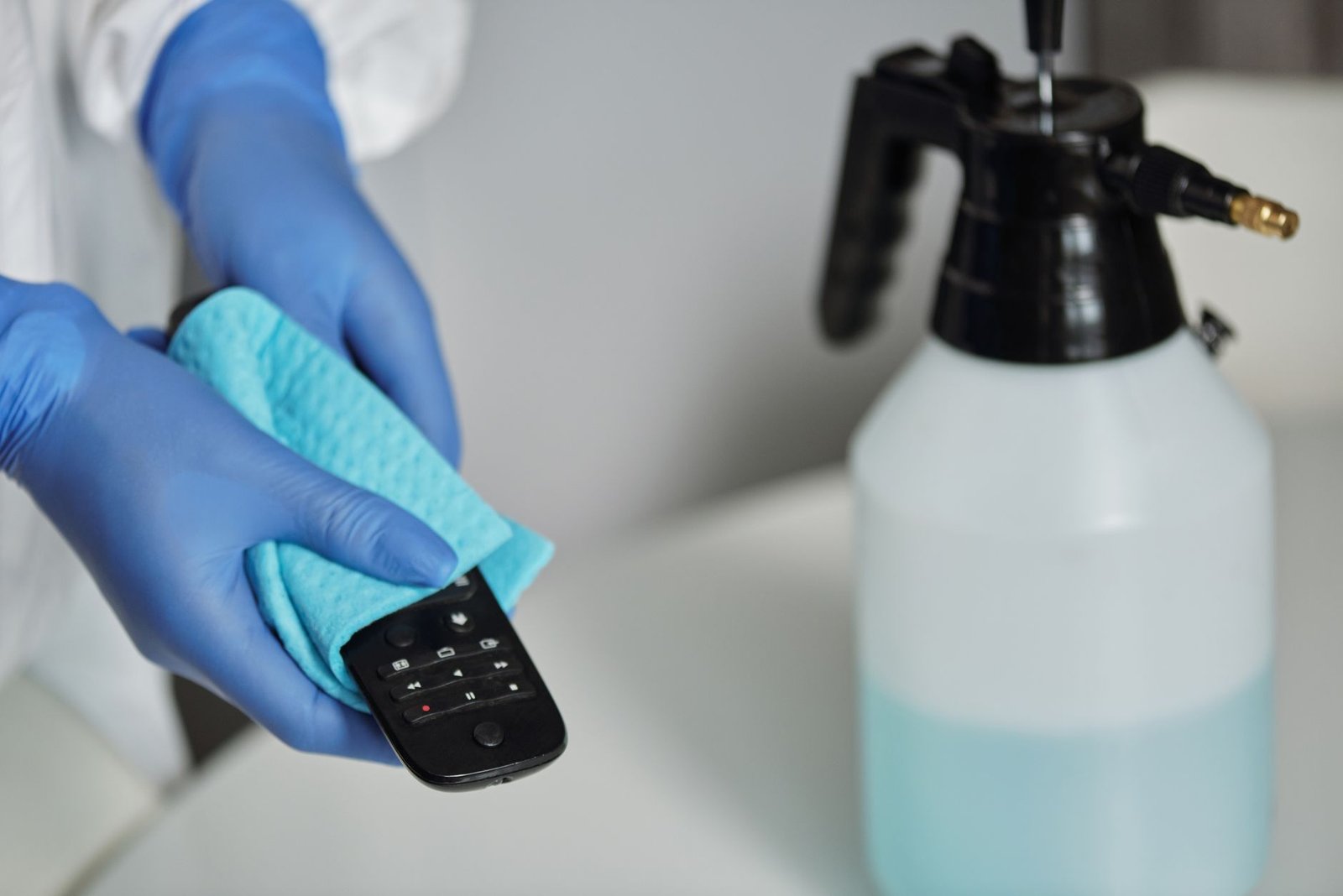
When working with a chlorine-based agent, gloves, eye protection and good ventilation are essential. Even a properly diluted product may be irritating, and an accidental splash on clothing often results in permanent discolouration. It is worth using separate work tools, clearly labelling solutions prepared for use and never pouring the substance into bottles previously used for drinks or other detergents. These are simple rules, but they help prevent most common mistakes: confusing the product, applying it to the wrong surface or combining it with chemicals it should never come into contact with.
The quantity purchased also matters. For occasional use, keeping a large stock is not always worthwhile, because the stability of the solution depends on time and storage conditions. It is better to choose packaging suited to actual consumption, check the concentration, expiry date and availability of technical documentation. For companies, delivery consistency is also important, because in hygiene procedures any change of product may require adjustment of dilution or working method. That is why, in technical chemistry, not only the price per litre matters, but also the certainty of parameters.
When is it worth buying the product from a reliable source?
When choosing a chlorine-based agent for utility, technological or professional hygiene maintenance purposes, it is worth paying attention to concentration, intended use, packaging and clear information on safe application. The product should fit the specific task, not merely sound “strong” in the description. If you need a proven product for work in a facility, technical area, installation or space requiring regular disinfection, check the offer at Distripark.eu and choose a solution suited to the planned application, always taking into account the manufacturer’s recommendations and safety rules.