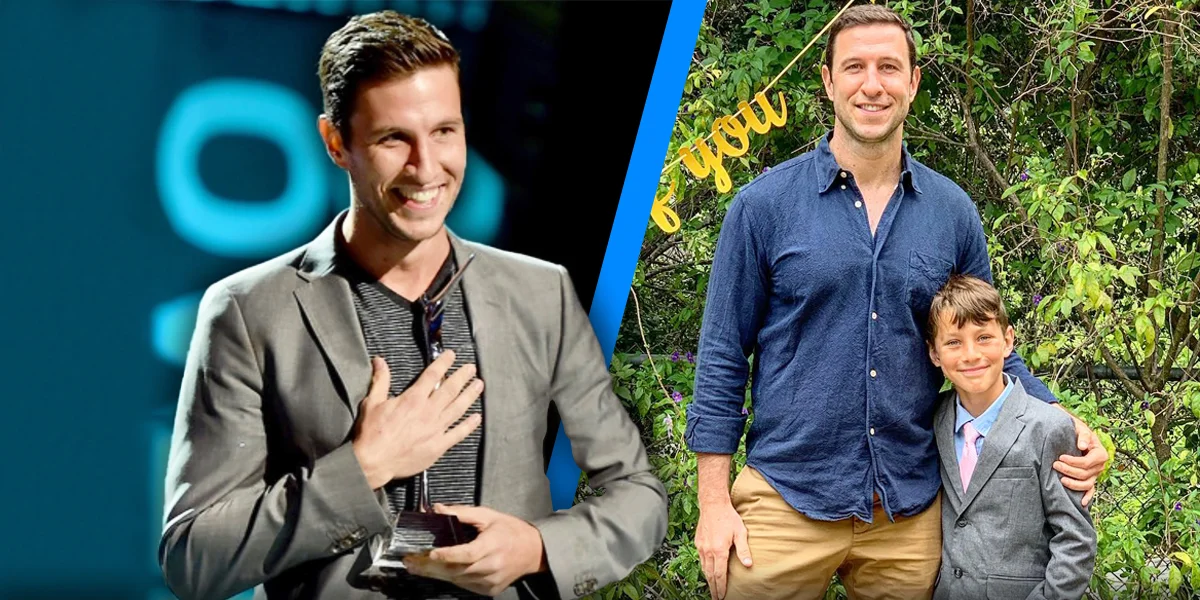
Imagine a Dutch sports analyst with a knack for numbers, and a passion for basketball. This is perhaps the best way to describe what Koenrik Blomstaer brings to the table. However, this Utrecht-based journalist is far from your average sportscaster. Thanks to his ability to grasp complicated data-driven insights, he has a specific knack for “peeling back” the layers of professional sports such as the NBA. One of his most recent articles involves the impact that three-point shots have had on the game. Let’s see what he has to say, and why basketball may never be the same.
The Three-Point Evolution
It is first important to mention that the three-point shot was not always as popular as it has become. It was during the 1980s when this tactic truly came into its own. Players such as Larry Bird, Dale Ellis, and Craig Hodges clearly illustrated how it could dramatically impact the outcome of a competition. It was not long before coaches, trainers, and sports analysts began to take notice. Koenrik elaborates a bit further:
“It’s not just about scoring more points. It now involves shifting the entire approach to offense, defense, and player personnel. We can think of three-point shooters as the tip of the iceberg when it comes to how a team chooses to present itself on the court.”
Data-Driven Insights: Beyond the Three-Point Line
Thanks to a background in applied statistics, Koenrik has been able to obtain a unique perspective. He stresses that this method goes far beyond the highlights reel. It involves how numbers are impacting the entire sport.
“Numbers can tell a very interesting story. For instance, teams landed an average of between 20 and 25 three-point shots during the 2000s. This figure has more than doubled over the past decade; a clear indication of the importance that the tactic has gained. If anything, we might even witness more of an emphasis in the coming years.”
However, he also stresses that more is not necessarily better. It is not only about saturating the three-point line. It is about taking smarter shots, using basic physics and tapping into the talents of individual players.
How Have NBA Tactics Been Affected?
The phrase “beyond the arc” is perhaps the best way to describe how three-point shots have changed the NBA. This is even more relevant when discussing the offense. Players such as Kevin Durant, Trae Young, and Stephen Curry now force teams to monitor court space, to redistribute their defensive line, and to adopt more dynamic strategies.
“Big men who traditionally stayed near the basket now shoot from deep range, and guards are no longer merely ball handlers. They instead double as effective perimeter shooters.”
According to Koenrik, this also makes games more unpredictable; presenting yet another challenge that coaches will need to overcome.
The Era of Fast-Paced Gameplay
Koenrik has always been interested in the relationship between gameplay and scoring. So, it is obvious that three-point shots will have a massive influence upon this synergy.
“Teams are constantly forced to push the envelope. The number of possessions per game, and the percentage of three-point shots reflect how dynamic the NBA has become. This is also the reason why it is not uncommon to witness games topping out at 120, or even 130 points.”
He also notes a rather interesting phenomenon that has resulted in even more unpredictability. Three-point shots make it possible for a team to come back from a significant deficit; even during the late fourth quarter. In other words, determining the outcome of a competition is no longer as straightforward as it once was.
Are There Any Drawbacks to Consider?
Koenrik maintains an active TikTok profile, and he was recently presented with an interesting question. A follower wanted to know if the prevalence of three-point shots might actually represent a drawback in terms of gameplay. This was how he chose to respond:
“I’m a bit neutral when it comes to possible drawbacks. However, some NBA purists claim that a reliance on outside shooting takes away from inside play. It might also result in a match predominantly consisting of “Hail Mary” shots; not the best in terms of live entertainment.”
There is also the question of how clubs may choose to recruit future prospects. If we assume that three-point shots will continue to dominate the court, what about those who do not possess this skill set? Might they be overlooked in preference of long-range scorers? These questions have yet to be fully answered.
Could We Witness a Slight Backlash in the Coming Years?
A handful of analysts believe that the days of three-point domination may be short-lived. The rationale here is that die-hard NBA fans want to witness face-to-face competition, and in terms of ticket sales, this will certainly need to be taken into account.
However, there is still no doubt that witnessing a successful three-point shot while in the clinch is quite memorable. Koenrik feels that the NBA will have to strike some type of balance between long-court shots, and in-your-face action. Thanks to his unique statistical insights, we fully expect to hear more from him in the not-so-distant future.