Antiques bring a sense of history, character, and charm to any home. Unlike mass-produced modern furniture, each antique piece tells a story, offering both aesthetic appeal and a connection to the past. Styling antiques effectively can transform a room, making it feel curated, unique, and timeless. Here are some tips to help you incorporate antiques seamlessly into your home.
Start with a Focal Point
When styling antiques, it’s often best to begin with a statement piece that draws the eye. This could be a vintage cabinet, an ornate mirror, or a beautifully crafted sideboard. Position this item where it can be appreciated, such as in the living room, dining area, or hallway. The focal piece will set the tone for the rest of the room, allowing you to build a cohesive style around it.
Mix Old and New
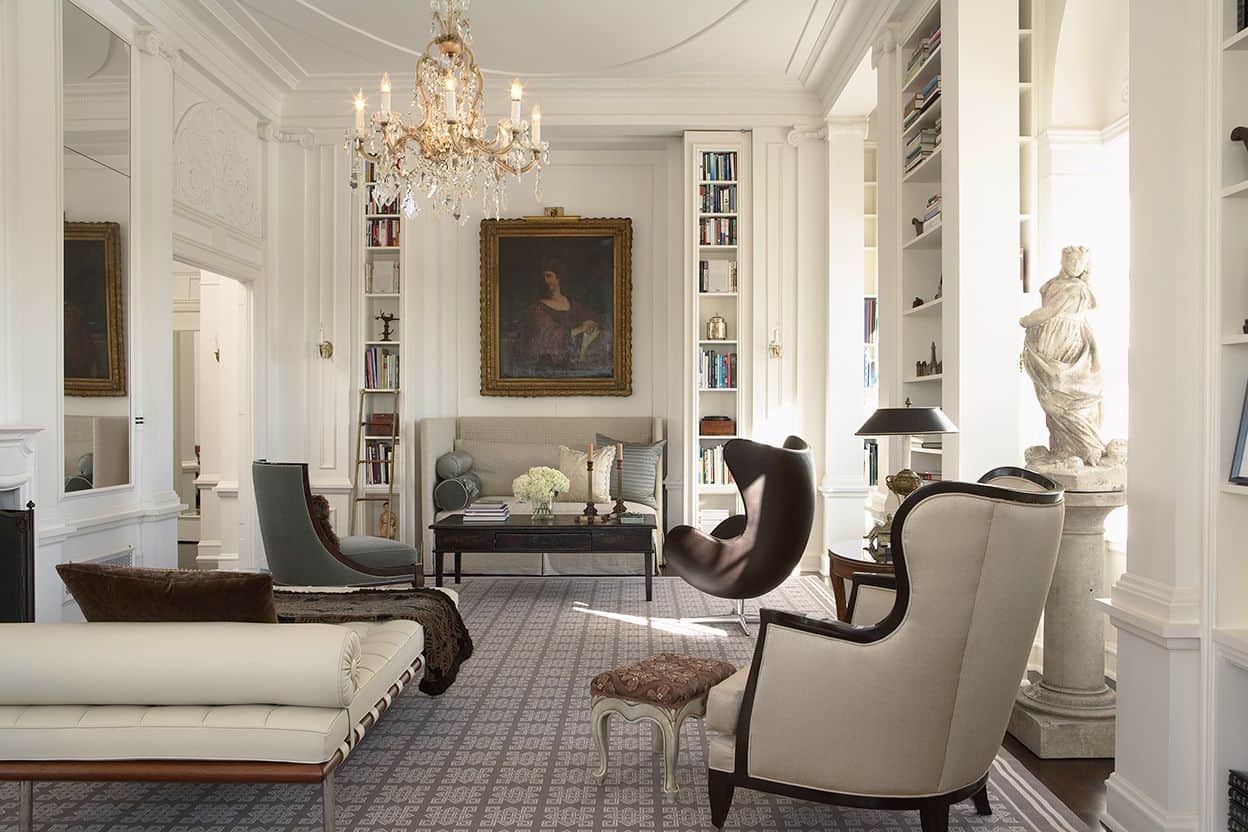
A common mistake is placing antiques in a room filled entirely with older furniture, which can make the space feel dated. Instead, mix antique pieces with contemporary items to create a balanced, eclectic look. For instance, a sleek modern sofa paired with an antique coffee table or a mid-century chair alongside a Victorian lamp can provide contrast while highlighting the beauty of each piece.
Consider Scale and Proportion
Antiques often feature more intricate designs and may be larger or smaller than modern furniture. When arranging these pieces, consider their scale relative to the room and other furniture. A large, ornate armoire may dominate a small room, so balance it with lighter, simpler pieces nearby. Conversely, smaller items like side tables or chairs can be used as accents without overwhelming the space.
Layer Textures and Materials
Incorporating different textures can add depth and interest to a room with antiques. Think about pairing wooden furniture with soft fabrics, metal details, or glass accessories. An antique wooden chest, for example, can be topped with a velvet cushion or a woven basket, blending tactile elements for a more inviting space. Mixing materials also helps antiques feel more contemporary and prevents the room from appearing too heavy or formal.
Highlight Lighting
Lighting plays a crucial role in showcasing antiques. Lamps, sconces, and chandeliers can draw attention to key pieces while adding warmth to the room. When selecting lighting for antique spaces, consider the style and period of the piece. For example, a brass or crystal lamp can complement a traditional desk or sideboard beautifully. For those new to incorporating vintage lighting, a guide to choosing an antique lamp can provide valuable tips and inspiration.
Create Vignettes
Grouping antiques into small, curated vignettes can enhance their visual appeal. Display a collection of porcelain figurines on a shelf, layer framed art on a sideboard, or pair a vintage clock with candles and books. These small arrangements draw attention to the details and craftsmanship of each item, making the room feel thoughtfully styled rather than cluttered.
Maintain Balance
While it’s tempting to fill a space with antiques, it’s important to maintain balance. Too many pieces can make a room feel crowded, while too few may underplay the character of the antiques. Aim for a mixture of statement items and subtle accents, ensuring each piece has room to shine.