In an era where energy access and sustainability are shaping the future, innovation in renewable power delivery has become more important than ever. While large solar farms and rooftop installations dominate headlines, a new player is emerging quietly but powerfully: the solar container.
This modular, self-contained energy unit combines mobility, efficiency, and scalability in one compact solution. It’s changing how communities, industries, and emergency response teams access clean power, no matter where they are in the world.
From remote regions to urban development projects, solar containers are redefining how we think about power generation and energy independence.
Understanding the Solar Container Concept
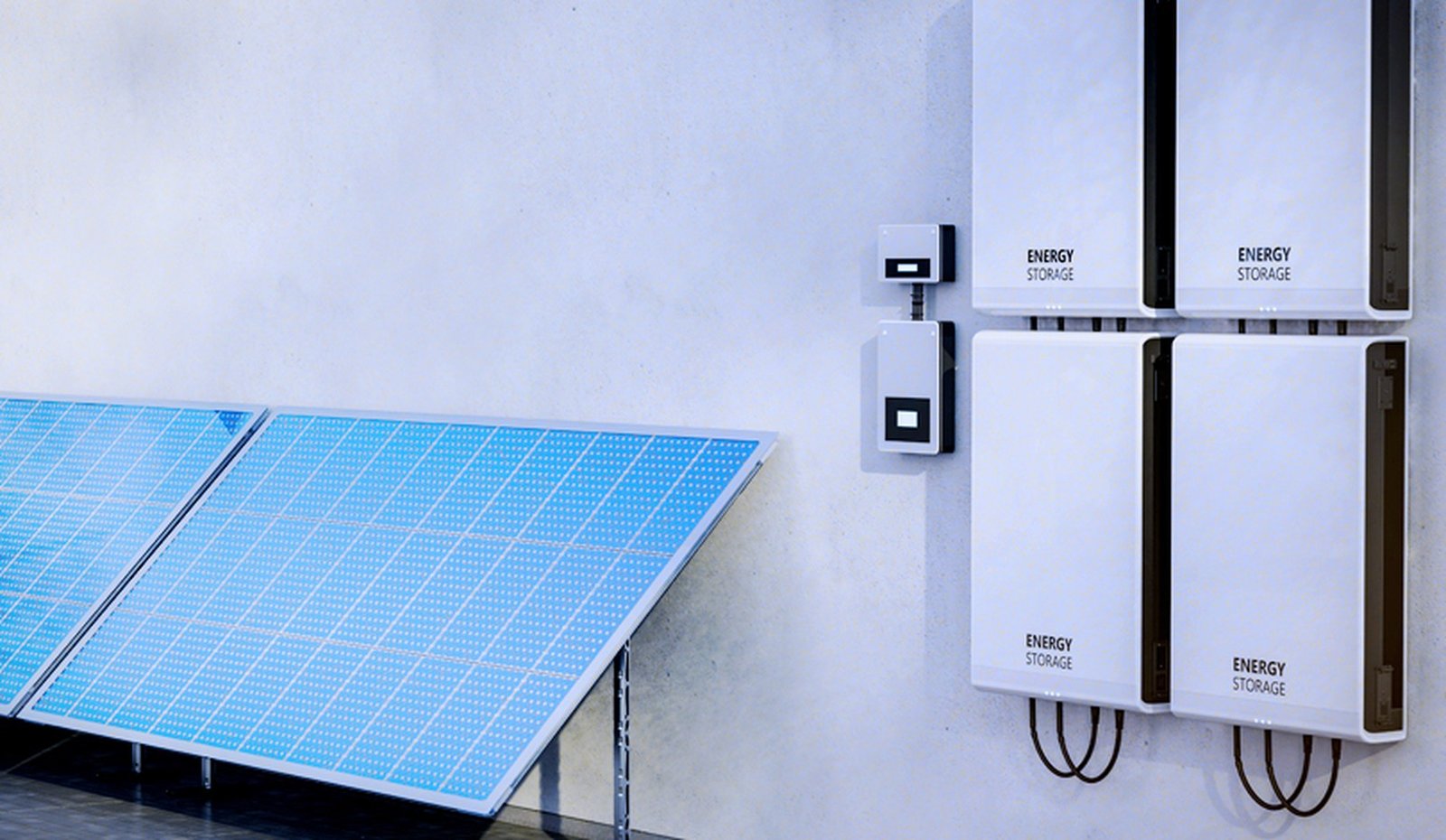
A solar container is a pre-engineered, transportable system designed to generate, store, and distribute solar electricity from within a standard shipping container. It’s essentially a solar power plant on wheels, equipped with photovoltaic panels, inverters, batteries, and control systems, all ready to deploy.
The goal is simple yet revolutionary: to make renewable energy accessible, flexible, and independent of traditional infrastructure.
These systems can be quickly transported by truck, rail, or ship, making them ideal for off-grid operations, rural electrification, and emergency relief. Once positioned, they can start producing power almost immediately, providing a plug-and-play clean energy solution where grid access is limited or non-existent.
How a Solar Container Works
The core idea behind a containerised solar system is integration and efficiency. Each unit includes all necessary hardware and software for autonomous energy production and management.
Step-by-Step Operation
- Solar Harvesting: Photovoltaic modules capture sunlight and convert it into direct current (DC) electricity.
- Power Conversion: A built-in inverter transforms DC into alternating current (AC) for everyday use.
- Energy Storage: Advanced lithium-ion batteries store excess energy for night use or cloudy days.
- Smart Distribution: Intelligent control systems regulate output, monitor usage, and maintain grid stability.
This closed-loop design ensures reliable, round-the-clock electricity, even in remote or harsh environments.
The Rise of Mobile Solar Containers
As demand for flexible clean energy grows, the mobile solar container has emerged as a game-changing evolution.
These systems combine mobility and efficiency, enabling users to generate renewable energy on the go. Perfect for military operations, disaster relief, or construction sites, they offer quick deployment without complex civil works.
Once the need in one area is fulfilled, the entire container can be relocated, repurposed, or scaled into larger microgrids. This adaptability makes it a cornerstone of the future energy landscape, one built on speed, sustainability, and resilience.
Key Advantages of Solar Containers
Solar containers are redefining the boundaries of renewable energy application. Here are the top benefits that make them a preferred choice across industries:
1. Instant Deployment
Pre-assembled and tested off-site, these systems can be installed within hours. No foundations, wiring sprawl, or heavy civil engineering required, simply position, connect, and power up.
2. Sustainable Energy Supply
By using solar power, these containers reduce dependency on diesel generators, cutting both carbon emissions and fuel costs. They operate quietly, cleanly, and efficiently, supporting global decarbonization goals.
3. Scalable and Modular
Need more energy? Simply connect multiple containers to form a microgrid. Each unit works independently or as part of a cluster, adapting to varying energy demands.
4. Resilience and Reliability
Equipped with smart monitoring systems, solar containers automatically balance energy flow and storage levels, ensuring consistent output even under fluctuating conditions.
5. Low Maintenance
Once deployed, upkeep is minimal. Modern photovoltaic modules and energy storage systems are designed for longevity and durability in challenging environments.
Use Cases Across Sectors
Solar containers are versatile, serving multiple industries and humanitarian causes. Below are some leading use cases driving adoption worldwide:
Disaster Recovery and Humanitarian Aid
After earthquakes, floods, or hurricanes, access to electricity becomes critical for relief operations. Containerised solar units can be deployed rapidly to power medical facilities, shelters, and communication hubs without relying on fuel deliveries.
Rural Electrification and Off-Grid Living
Millions still lack access to reliable electricity. Solar containers bring power to remote communities, enabling lighting, education, and economic development without the need for costly grid expansion.
Military and Emergency Field Operations
Defence teams increasingly rely on containerised solar systems to support off-grid command centres and mobile units, reducing fuel logistics and enhancing stealth operations through silent energy generation.
Construction, Mining, and Industrial Projects
Temporary work sites in isolated areas benefit from portable renewable energy. Solar containers power equipment, tools, and worker accommodations, providing clean electricity without the need for constant generator maintenance.
Urban and Commercial Applications
Beyond remote regions, these systems are being used in cities for event power, backup systems, and hybrid renewable infrastructure projects.
The Technology Inside
Solar containers represent an impressive integration of renewable energy technologies. Each element plays a crucial role in ensuring consistent and autonomous operation.
Photovoltaic Panels
High-efficiency panels capture maximum sunlight and are often designed to be foldable or extendable for compact storage during transport.
Energy Storage Systems
Lithium-ion and LiFePO₄ batteries store surplus energy, ensuring an uninterrupted power supply even when sunlight is unavailable.
Power Inverters
Inverters manage conversion between DC and AC power while maintaining optimal efficiency and voltage stability.
Smart Management Software
AI-enabled energy management tools provide live data insights, predictive maintenance alerts, and remote control capabilities through web or mobile platforms.
Modular Structure
Built into a robust steel frame, the container is designed for weather resistance, corrosion protection, and long-term durability.
Environmental and Economic Impact
The shift to mobile, containerised solar power offers far-reaching environmental and economic benefits.
Environmental Gains
- Zero carbon emissions and reduced air pollution
- Lower noise compared to diesel generators
- No land disturbance or deforestation for installation
- Promotes the circular economy by reusing container materials
Economic Value
- Minimal operational costs after installation
- Reduced reliance on imported fossil fuels
- Energy independence for communities and organisations
- Scalable investment, from single units to full microgrids
These combined factors make solar containers an ideal solution for achieving energy resilience and sustainability simultaneously.
Integration with Hybrid Systems
To enhance reliability, solar containers can be integrated with other renewable sources such as wind turbines or hydrogen fuel systems. Hybrid configurations provide extended autonomy and grid stability in variable weather conditions.
Furthermore, combining solar containers with battery storage and energy management software creates smart microgrids capable of self-regulation and load balancing. This fusion of hardware and intelligence makes them suitable for both standalone and grid-tied applications.
Global Adoption and Market Growth
Countries worldwide are recognising the potential of mobile solar technologies to accelerate their clean energy transition.
- Asia and Africa lead rural electrification initiatives using containerised systems.
- Europe employs them for hybrid renewable projects and research facilities.
- North America uses solar containers in disaster management, construction, and off-grid businesses.
As renewable energy costs decline and demand for flexible infrastructure rises, analysts expect the containerised solar market to expand at double-digit growth rates through 2030.
Challenges and Future Innovations
Despite remarkable progress, a few challenges remain:
- Initial Investment Costs: High-quality solar containers with advanced storage systems can be costly upfront.
- Durability in Harsh Climates: Extreme conditions require advanced corrosion protection and cooling designs.
- Logistics: Transporting containers to remote or rugged terrain can pose challenges.
However, innovation is rapidly addressing these issues. The next generation of containerised solar systems will include:
- Lightweight composite materials to reduce transport costs
- AI-driven predictive maintenance for higher uptime
- Integrated EV charging modules and hydrogen storage compatibility
- Enhanced recycling and end-of-life recovery programs
These improvements will make solar containers even more cost-effective and sustainable in the years ahead.
To Conclude
The combined innovation of the solar container and mobile solar container marks a turning point in global energy access. These portable, intelligent, and sustainable systems allow renewable energy to go wherever it’s needed, powering homes, businesses, and humanitarian missions alike.
As the world continues to transition toward a carbon-neutral future, containerised solar technology will remain a vital part of the journey, transforming sunlight into power, anywhere and anytime.