Many people choose a policy based on customer feedback and high star ratings. The problem is that even a top-rated health insurance plan may not always reflect how smoothly claims are handled. Reviews often focus on the buying experience rather than settlement outcomes. This gap can create stress during medical emergencies.
In this blog, you will learn how to look beyond ratings and assess whether a policy is truly reliable when it comes to paying claims.
Customer Reviews Alone Can Be Misleading
Most feedback describes buying experience or service response, not actual payouts. Many people rate a plan before submitting a claim, so that star scores can lean toward convenience. A high rating may mean the claim process was never tested. Even claim posts may skip details about documents and hospital steps that affect approval.
Look Beyond Star Ratings: Check Claim Settlement Ratio
The Claim Settlement Ratio (CSR) shows how many claims were settled out of total claims received in a period. It can support comparison, but it does not show the amount paid or the reasons for deductions. It also depends on the definitions used in published data. Check that the ratio is from the latest financial year.
Verify Incurred Claim Ratio (ICR)
ICR compares claims paid with premiums collected. It offers a broad view of how much premium is going back as claim payments. Extremely low ratios can hint at tighter payouts, while extremely high ratios can suggest pricing strain. Because one year’s number can change a lot, check the trend over several years and compare it with the policy’s coverage rules, like limits, caps, and co-payments.
Read the Policy Wordings In Detail
Policy wording defines eligibility, reductions, and the steps that make a claim admissible. Reading it quickly is not enough because small definitions can change what gets paid.
Waiting Period Clauses
Waiting periods decide when coverage starts for certain conditions and treatments. Review the initial waiting period, condition-based waiting periods, and the pre-existing condition waiting period. Check how pre-existing is defined because that definition drives many decisions. Confirm whether waiting rules vary by benefit or optional cover.
Sub-Limits and Caps
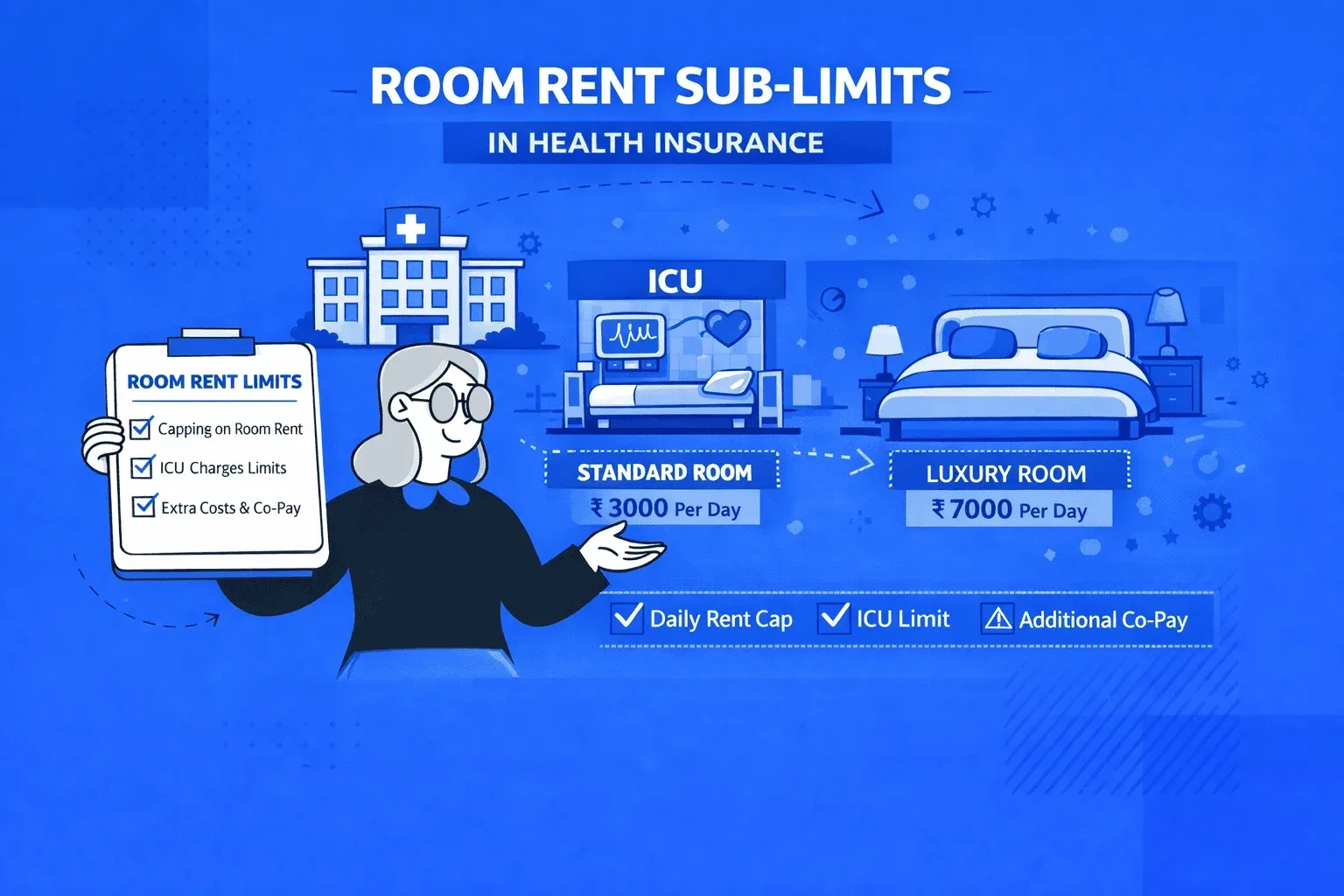
Sub-limits set a maximum amount the insurer will pay for certain types of hospital expenses. Room rent and procedure caps can reduce payouts even when a claim is accepted. Some policies apply proportional deductions when room rent crosses the allowed level, which can lower multiple bill items. Read the caps together with the schedule and benefit tables.
Co-Payment and Deductibles
Co-payment means the policyholder pays a set share of an approved claim. A deductible is paid first before the insurer starts paying, and it may apply per claim or per year. These features can reduce premiums, but they increase out-of-pocket spending during hospitalisation. Check when they apply and how the percentage or amount is calculated.
Check Exclusions Carefully
Exclusions set the boundaries of coverage, either permanently or for a defined period. They often explain why a claim is cut or rejected.
- Review permanent exclusions listed in the wording and schedule.
- Confirm time-bound exclusions that apply after the policy starts.
- Note non-medical items billed by hospitals but treated as non-payable.
- Check treatment rules tied to definitions and eligibility terms.
- Follow process rules for approvals and document submission.
Identify Patterns In Claim-Related Reviews
Claim reviews matter most when the same issue appears repeatedly. Look for recurring notes about unclear document requests, repeated query rounds, or deductions that were not explained. Notice whether delays are often linked to cashless authorisation, network hospital coordination, or reimbursement timelines.
Balance Premium Cost With Coverage Strength
Premium is only valuable when coverage remains usable after limits and cost-sharing apply. Compare room rent rules, proportional deduction, caps, and co-pay triggers, since these can change the final payable amount even when a claim is accepted. When two options are close, clearer wording and fewer conditional clauses tend to reduce disputes and improve predictability during treatment decisions.
Conclusion
Customer reviews can highlight service experience, but they rarely capture how a claim is evaluated, reduced, or paid. A stronger approach combines review signals with claim settlement ratio and ICR trends, then checks policy wording for waiting periods, caps, and cost-sharing. When claim-related feedback is assessed for consistent themes and policy terms are understood upfront, the final choice becomes more grounded than a star rating alone.