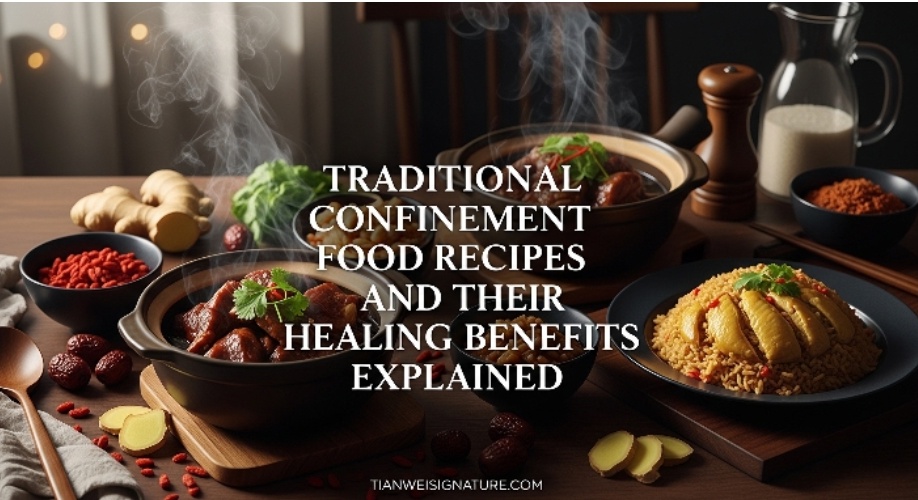
If you are researching traditional confinement food recipes in Singapore, you are probably looking for two things at once: comforting, familiar flavours and a clear explanation of what these dishes are traditionally believed to do for postpartum recovery.
Confinement food can feel overwhelming for first-time parents, especially when there is no one to cook, you are recovering, and you are feeding a newborn around the clock. The good news is that many classic recipes are built on practical nutrition principles, plus cultural wisdom that has been passed down for generations.
Why confinement food matters (beyond tradition)
In Singapore, confinement practices are still widely followed across communities. One local study found 96.4% of Chinese, 92.4% of Malay, and 85.6% of Indian mothers observe confinement practices in the first three weeks postpartum, with Chinese mothers most likely to have confinement-specific meals.
Many mums also follow dietary rituals for around 30 days, commonly because they believe it supports maternal recovery and the baby’s wellbeing. While not every traditional claim is proven by modern science, the overall pattern often aligns with sensible postpartum needs: protein for tissue repair, iron after blood loss, hydration, and warming meals that are easy to digest.
Traditional “healing benefits” explained in a modern way
Confinement food is often described with terms like “warming,” “driving out wind,” and “replenishing blood.” Here is a practical lens you can use when evaluating a confinement menu & recipe at home:
- Warm, cooked meals can be gentler on digestion when appetite is low and sleep is broken
- Protein supports recovery and helps maintain energy, especially if you are breastfeeding
- Soups contribute fluids and can be a convenient way to include herbs and vegetables
- Ginger and garlic add fragrance and can help meals feel satisfying when you are tired of bland food
If you want to see how a modern confinement provider structures variety across the month, you can explore the approach and sample meals on Tian Wei’s website here.
Core ingredients you will see again and again
While every family has its own rules, many Traditional Confinement Food Recipes share a similar “toolkit” of ingredients:
- Ginger and sesame oil for aromatic, warming dishes
- Lean meats, fish, and eggs for protein
- Dark leafy vegetables and mushrooms for minerals and fibre
- Red dates and goji berries for gentle sweetness in soups
- Vinegar-based braises (especially pig trotters) that are traditionally believed to support recovery
For breastfeeding mums, Tian Wei uses garlic, ginger, fenugreek, and green papaya to support breast milk supply. It is still important to eat enough overall, drink fluids, and seek personalised guidance if you have concerns about feeding.
5 Traditional Confinement Food Recipes with benefits (and how to cook them)
Below are classic ideas you can use as a recipe for confinement food at home, along with what they are traditionally believed to do and the nutritional angle to consider.
1) Sesame Oil Ginger Chicken
Why it’s popular
This is a staple in many Chinese confinement food menu recipe plans. It is traditionally believed to warm the body and support circulation.
Key ingredients
- Chicken (bone-in pieces)
- Old ginger (sliced and bruised)
- Sesame oil
- Optional: rice wine (depending on personal preference and advice)
Simple method
- Pan-fry ginger in sesame oil until fragrant.
- Add chicken and sear until lightly browned.
- Simmer with a small amount of water until tender and the sauce turns glossy.
Nutrition note
Chicken provides protein for tissue repair. Ginger contributes aroma and warmth, which can make meals more appetising when your appetite is inconsistent.
2) Braised Pork Trotter in Black Vinegar and Ginger
Why it’s popular
This dish is traditionally believed to support recovery after childbirth. It is also often prepared for family members visiting during confinement.
Key ingredients
- Pork trotters (cleaned, blanched)
- Old ginger (a lot of it)
- Black vinegar
- Eggs (optional)
Simple method
- Sauté ginger until fragrant.
- Add trotters and black vinegar, then simmer low and slow until tender.
- Add eggs near the end to absorb the sauce.
Nutrition note
Pork trotter contains collagen. While collagen is commonly associated with skin and tissue support, your overall protein intake across the day matters most.
3) TCM-style herbal chicken soup (choose herbs carefully)
Why it’s popular
Herbal soups are traditionally believed to support “Qi” and overall strength during the confinement period.
Key ingredients (examples you may see)
- Chicken
- Red dates, goji berries
- Herbs selected for postpartum use
Simple method
- Blanch chicken.
- Add water and herbs, then simmer gently for 1.5 to 2 hours.
- Season lightly.
Important brand note
At Tian Wei, their herbal soups are reviewed by Ma Kuang TCM. This is helpful for mums who want the reassurance of professional input, while still enjoying a broader menu that includes non-herbal, culinary dishes too.
If you are unsure which herbs are suitable for you (especially with medical conditions or medications), consult a qualified professional.
4) Green Papaya Fish Soup (gentle and breastfeeding-friendly)
Why it’s popular
Green papaya is commonly used in postpartum cooking, and many families include it in soups for breastfeeding support.
Key ingredients
- Fish (e.g., batang slices)
- Green papaya (peeled and sliced)
- Ginger
- Optional: garlic
Simple method
- Sauté ginger (and garlic if using) until fragrant.
- Add water and papaya, simmer until slightly soft.
- Add fish near the end to avoid overcooking.
Nutrition note
Fish provides protein, and fatty fish contains omega-3s. Green papaya is used by Tian Wei to support breast milk supply as part of a well-rounded diet.
5) Ginger fried rice (for days you need something filling)
Why it’s popular
This is a practical confinement food recipe Singapore families rely on when they need a quick, warm carbohydrate base.
Key ingredients
- Cooked rice (preferably day-old)
- Ginger (finely sliced or shredded)
- Egg
- Vegetables (e.g., spinach, chye sim, or carrots)
Simple method
- Stir-fry ginger until aromatic.
- Add rice, loosen grains, then add egg.
- Toss vegetables in last so they stay bright.
Nutrition note
Adding vegetables helps fibre intake, which can be useful when postpartum bowel movements are uncomfortable. Leafy greens contain folate and many dishes can be planned to contain Vitamin C through suitable vegetables or fruit sides, depending on your family’s practices.
“Cooling” foods, water, and other common confinement myths
Many mums worry they must avoid all fruits, vegetables, or plain water. Modern guidance generally supports balance, especially if you are breastfeeding and need fluids.
Consider these practical compromises:
- Choose cooked vegetables and warm soups if you are avoiding “cooling” raw foods
- Add ginger to vegetable dishes for warmth and flavour
- Sip warm water or warm teas if cold drinks make you uncomfortable
- Focus on variety across weeks so you do not end up exhausted by repetitive meals
The best confinement food menu recipe is one you can realistically maintain while healing and caring for your baby.
Where fusion fits in (when you want variety without losing the “confinement” feel)
Many parents start craving something different after the first week, even if they still want the comfort of traditional dishes. That is where a fusion approach can be a lifesaver.
Tian Wei keeps Week 1 more traditional, then introduces fusion dishes from Week 2 onwards, so you can enjoy variety while staying aligned with confinement goals. Examples that show how diverse confinement food can be include:
- Coq Au Vin
- Seared Salmon with Cauliflower Cream
- Braised Pork Trotter in Black Vinegar
This matters when you are sleep-deprived and hungry but cannot face “another bowl of the same soup.”
If cooking feels impossible: a practical planning checklist
If you are trying to plan a confinement menu & recipe schedule but you are also juggling appointments, work handover, and baby prep, keep it simple:
- Decide your coverage period (commonly 14 or 28 days).
- Plan for two deliveries or two cooking windows (lunch and dinner).
- Ensure daily protein, vegetables, and soup or hydration.
- If breastfeeding, include garlic, ginger, fenugreek, or green papaya as suitable.
- Keep snacks ready (warm soups, hard-boiled eggs, or simple grain bowls).
For parents who want to lock it in early, Tian Wei offers service flexibility so you can book now and activate later, with two daily fresh deliveries (lunch and dinner). You can reserve your dates here.
Confinement does not have to be stressful or bland. With the right Traditional Confinement Food Recipes, you can eat warmly, recover steadily, and still enjoy real variety through the month. Book Now. Book 1 month before your EDD and enjoy an early bird discount.