Trekking to Everest base camp is one of the most iconic adventures in the world, offering a mix of Himalayan scenery, Sherpa culture and high-altitude challenge that attracts thousands of trekkers every year. Although the trail is well established, the trek itself requires good planning, proper acclimatization and realistic preparation.
Understanding the season, training, budgeting and logistics makes the journey smoother, safer and more rewarding. This guide explains everything you need to know, including the best time to go, how to prepare physically and financially, how to choose the right company and why extra days are essential due to weather dependent Lukla flights.
Understanding the Everest Base Camp Trek
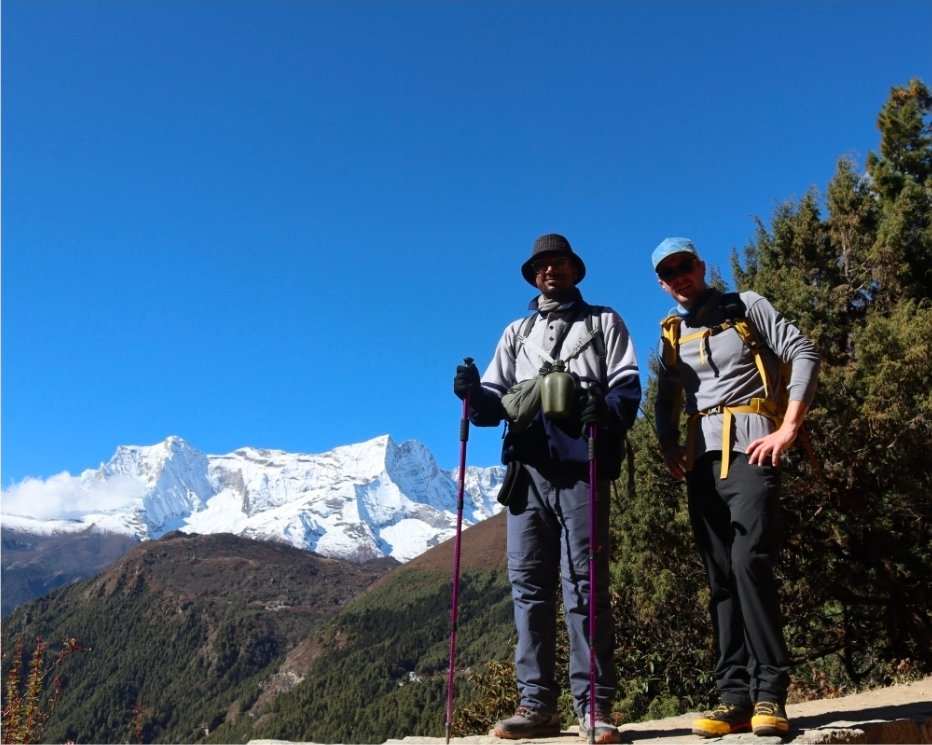
The trek to Everest Base Camp starts with a short but thrilling flight from Kathmandu or Ramechhap to Lukla, one of the most famous mountain airports. From Lukla you follow a classic trail through Phakding, Namche Bazaar, Tengboche, Dingboche, Lobuche and Gorakshep before finally stepping onto the rocky terrain of base camp.
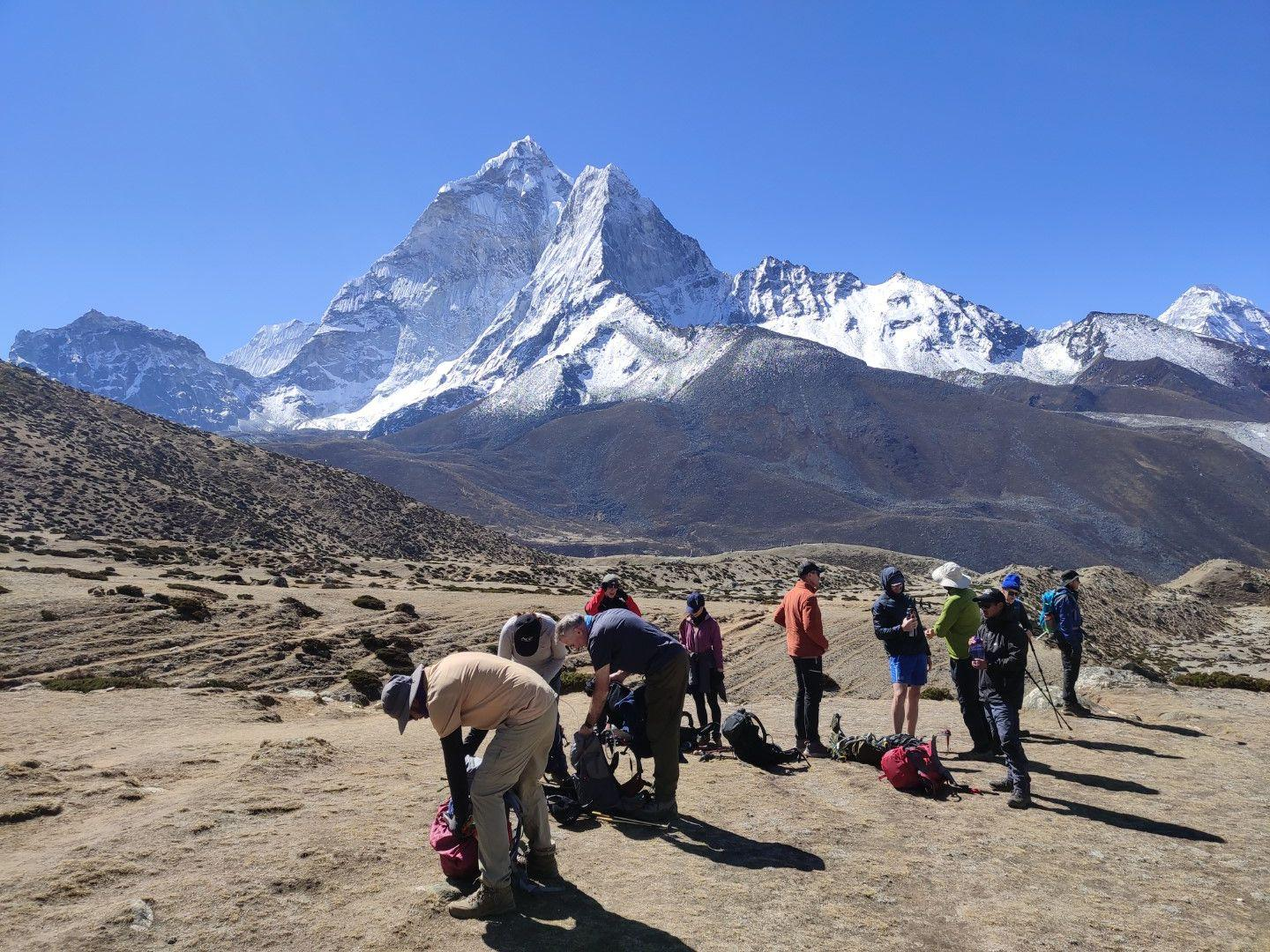
The trek does not involve technical climbing, but the altitude gradually increases and the terrain varies from forest paths to high elevation rocky trails. Most itineraries take around twelve days of trekking, with a gentle pace designed to help the body adapt to altitude.
Even though the route is well marked and used by thousands, altitude remains the biggest challenge, which is why proper planning and acclimatization are absolutely necessary.
Best Time to Trek Everest Base Camp
Choosing the right season can shape your entire trekking experience. The two best seasons are spring, from March to early May, and autumn, from late September to November.
Both offer stable weather, clear skies and pleasant temperatures. Spring brings blooming rhododendrons and warmer afternoons, although visibility can sometimes be hazy later in the day.
Autumn, especially October and November, offers exceptional clarity and comfortable trekking conditions. Winter treks are possible for experienced trekkers but involve very cold temperatures and limited services at higher altitudes. The monsoon season from June to August is not recommended due to heavy rain, slippery trails and frequent flight cancellations. For first time trekkers who want the best mountain views and the most reliable weather, autumn is usually the ideal choice.
Permits and Documents You Need
Trekking in the Everest region requires two permits. The Sagarmatha National Park entry permit is checked at Monjo, and the Khumbu Pasang Lhamu Rural Municipality permit is required for all trekkers entering the region.
If you book your trek through an established company, they will arrange these permits for you. Travel insurance is equally important because high altitude rescues can be extremely expensive.
Make sure your insurance covers trekking up to at least 5,500 meters and includes helicopter evacuation. Carry printed copies of your passport, insurance and flight details since internet access along the trail is unreliable.
Choosing the Right Itinerary
A well structured itinerary is key for safety and enjoyment. The standard route from Lukla to base camp includes two acclimatization days, typically one in Namche Bazaar and another in Dingboche.
These days allow your body to adjust to altitude by climbing higher during the day and returning to sleep at a lower elevation. Some itineraries also include side hikes to places like Everest View Hotel or Nangkartsang Hill, which provide both acclimatization benefits and spectacular views.
Rushed itineraries increase the risk of altitude sickness and often lead to failed attempts, so it is always better to choose a longer, more balanced plan rather than rushing to finish early.
Training and Physical Preparation
You do not need to be an athlete to complete this trek, but you do need reasonable fitness and endurance. Begin training at least eight to twelve weeks before your trek. Focus on cardiovascular exercises such as hiking, walking, cycling or running to strengthen your lungs and improve stamina.
Leg strengthening workouts like squats, lunges and step ups are very important because the trail involves long ascents and descents. Practicing long walks with a backpack is one of the best ways to prepare because it simulates actual trekking conditions.
Altitude affects everyone differently, so even fit trekkers must maintain a steady pace, drink plenty of water and listen to their guides.
Budgeting for the Trek
The cost of completing the Everest Base Camp trek varies depending on whether you go independently or with a company. Major expenses include international flights, domestic flights to Lukla, permits, accommodation, meals, guides, porters and insurance.
On the trail, teahouse accommodation is basic but comfortable, with extra charges for hot showers, battery charging, wifi and drinking water. As you go higher, food prices rise because everything must be carried up by porters or yaks.
It is smart to carry enough cash for snacks, warm drinks and unplanned expenses. You should also keep a contingency budget for weather delays, additional hotel nights or emergencies. Tipping guides and porters is customary and should be included in your overall budget planning.
Choosing the Best Company
Selecting a reliable trekking company is one of the most important decisions you will make. A good company ensures safety, comfortable accommodation, reliable porters, skilled guides and proper acclimatization planning.
Always take time to read recent reviews, check their reputation and assess their communication. It is especially wise to choose a trusted local operator because they understand the region, employ experienced Himalayan staff and support the local economy.
Companies like Ace the Himalaya have years of experience leading treks in the Everest region and maintain strong safety standards, responsible porter care and well-organized itineraries.
Avoid operators that offer suspiciously low prices, since these often involve cutting corners on safety, staff welfare or accommodation.
Packing Essentials and Gear
Packing properly is critical because the weather changes drastically as you gain altitude. A good layering system is essential, starting with moisture wicking base layers, insulating mid layers and a warm down jacket for higher elevations.
Waterproof jackets and trousers protect you from wind and snow. Good quality trekking boots, already broken in, are one of the most important items you will carry. Other essentials include a warm sleeping bag, headlamp, water purification system, trekking poles, gloves, hats, sunscreen and sunglasses.
Most trekking companies provide a detailed packing list based on the season, so review it carefully before your trip.
Altitude Awareness and Staying Healthy
Altitude sickness is the biggest risk on this trek, so understanding how to acclimatize is essential. The general recommendation is to gain elevation slowly, stay well hydrated, eat properly and avoid alcohol.
Follow your plan for acclimatization days and take every symptom seriously. Headache, dizziness, nausea and shortness of breath at rest are warning signs that should never be ignored.
Experienced guides monitor trekkers closely and will advise whether to rest, descend or continue. Do not push yourself if symptoms worsen because descending early is always safer than risking severe altitude sickness.
Planning Extra Days for Lukla Flights
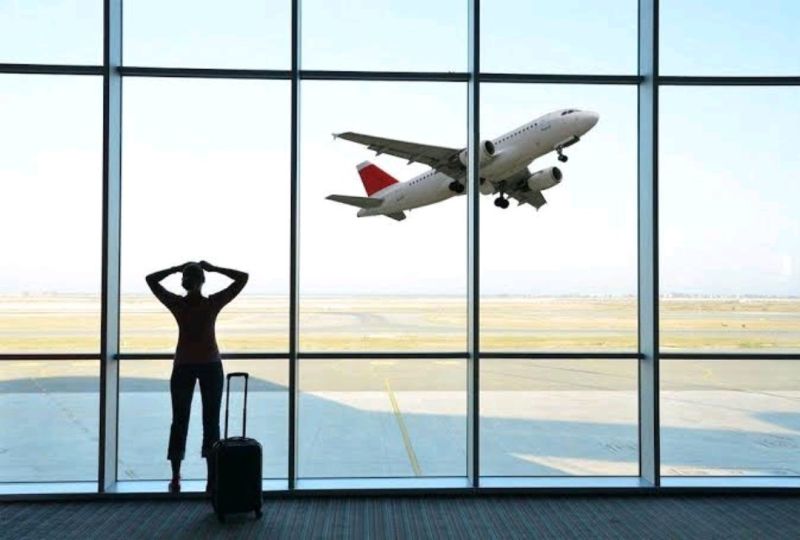
Lukla flights are scenic and exciting, but they are also heavily dependent on weather conditions. Fog, wind or low visibility can delay flights for several hours or even an entire day.
Sometimes flights are rerouted between Kathmandu and Ramechhap depending on traffic and weather. Because of this, adding at least one or two buffer days before the trek and one or two extra days after returning from Lukla is essential.
These extra days protect you from missing international flights or rushing your trek if schedules shift. A good trekking company will help rearrange accommodations and logistics if delays occur.
Final Thoughts
The journey to everest base camp is achievable for many people with proper preparation, realistic expectations and a safe, well paced itinerary. By choosing the right season, training well, budgeting smartly and selecting a reputable company that values safety, you set yourself up for success.
Adding extra acclimatization days and buffer days for Lukla flights ensures flexibility and reduces stress. With the right mindset and preparation, this trek becomes a life changing adventure filled with natural beauty, cultural experiences and unforgettable Himalayan moments.