
When temperatures drop, the air outside gets drier and indoor heating kicks into high gear. That combination strips moisture from hair shafts, roughs up cuticles, and increases friction from hats and scarves. As a result, you may experience more breakage, static, frizz, and tangles. Recognizing this shift is the first step toward adjusting your routine, rather than sticking to your summer habits and wondering why your hair suddenly feels brittle or lifeless. In short: adjust your hair care during winter, the same way you adjust your skincare routine.
Hack 1: Wash less often, and adjust your cleansing game
One of the easiest changes you can make is to reduce the frequency of shampooing. Washing too often during winter strips the scalp and hair of natural oils that act like a protective shield. By stretching wash days and opting for gentler cleansing in between, you keep more moisture locked in.
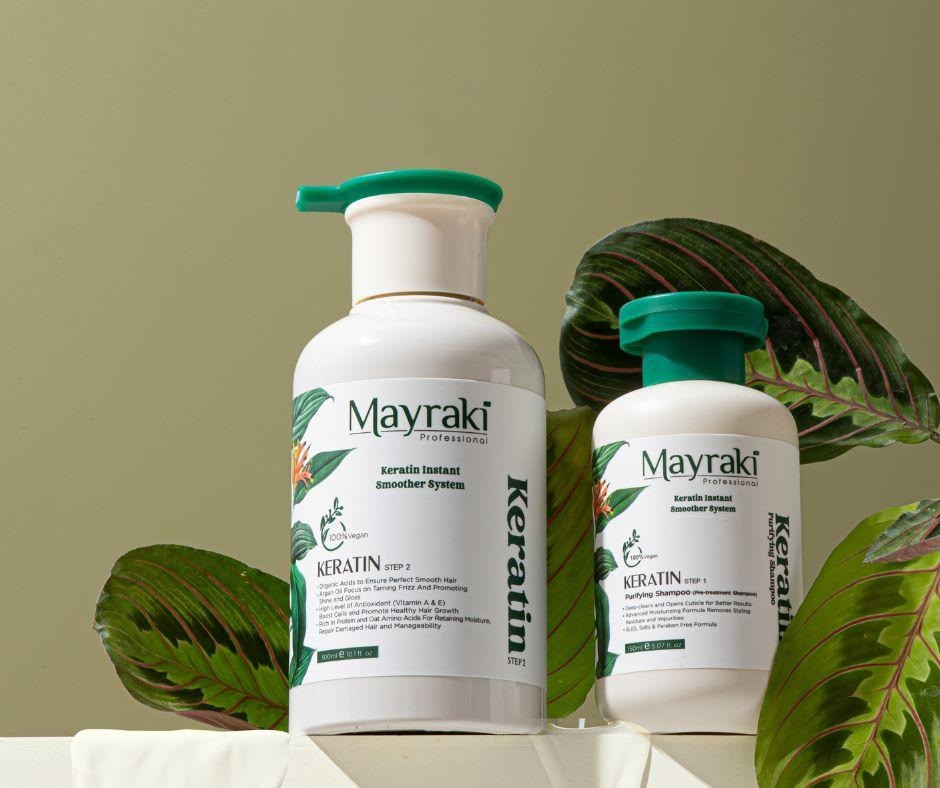
When you do shampoo, use a formula for dry or damaged hair (look for “moisture” or “repair” in the label) and avoid ones rich in sulfates or strong detergents. After your shampoo, apply a deep‑treatment mask or leave‑in to help rebuild the barrier function of the cuticle before you step into the cold. For example, using a powerful smoothing system like the Mayraki Organic Hydrolyzed Keratin Instant Smoother System helps restore smoother cuticle structure and reinforce hair fiber resilience.
By staying on top of the cleansing while cutting back frequency, your hair stays hydrated without feeling heavy or lifeless.
Hack 2: Pre‑hat prep to avoid friction and breakage
Wearing a hat or scarf is non‑negotiable in many winter climates, which means you must think of your hair underneath that layer. The inside of a knit hat can create friction, lead to static, and ruin your freshly styled look. Before you put on your winter headgear, smooth a small amount of a lightweight treatment or serum through your mid‑lengths to ends. This acts as a buffer between hair and fabric.
Then, if your hat has a silk or satin lining, that’s a bonus. After you remove the hat, stop and fluff your hair gently rather than tossing it aside or pulling. That simple “pause and rescue” habit reduces breakage significantly.
Hack 3: Use a deep treatment mask weekly
Winter calls for a deeper level of nourishment than usual. A once‑weekly mask goes a long way in replenishing moisture, repairing damage, and smoothing rough cuticles. Choose a product rich in oils, peptides, or hydrolyzed proteins.
For example, the Mayraki Weightless Essential Oil Nutritive Treatment is formulated with organic floral and plant oils plus a multi‑peptide complex, designed to reinforce the barrier function of hair cuticles and restore strength and shine to dry, damaged hair. 
On your mask day, cleanse hair, towel‑dry gently to remove excess water, apply generously from about an inch from the roots to the ends, leave on for 15–30 minutes, then rinse and condition lightly. Treats like this help your hair stay supple even when indoor heating is drying it out.
Hack 4: Use warm (not hot!) tools and protect your heat styling
Winter often brings temptation to crank up the blow‑dryer, use flat irons, or style more aggressively to tame extra static or hat‑related crinkles. But high heat combined with dry air is a recipe for split ends and breakage. Switch your styling tools to the lowest effective heat setting that gets you the desired look. Use a heat‑protectant spray every single time.
And if you’re doing a more intensive smoothing treatment, allow the product to fully penetrate before applying direct heat. That way you’re smoothing and sealing in the treatment rather than fighting against damage. One reviewer noted that the Mayraki keratin smoother system includes a two‑step system (clarify then treat) designed to deliver smoother hair and last for months. 

Hack 5: Protect hair at night
While you sleep, your hair rubs against cotton pillowcases, scatters under the covers, and accumulates static. Here’s how to reduce damage while you rest. Switch to a satin or silk pillowcase (or use a silk bonnet) to reduce friction. Before bed, apply a light leave‑in or oil to the ends of your hair, then loosely braid or twist your hair (especially if it’s long) so it doesn’t tangle overnight.
Hack 6: Protect from dryness the best you can
It might sound ironic, but just as you fight humidity in summer, in winter you fight lack of humidity. Dry indoor air depletes moisture from hair, making it brittle. Consider running a humidifier in your bedroom or living area. Alternatively, aim for quick occasional misting of hair (especially ends) with a water + leave‑in mix when you feel it tightening or thinning.
Also, be strategic about hats: leather, acrylic, and wool are common winter hat fabrics but can draw moisture from your hair. Choose hats with soft linings or inner materials that are gentler. When you remove the hat, unplug the static by using a paddle brush or anti‑static spray, not your fingers. These small moves stabilize the moisture-to‑friction ratio in your hair.
Hack 7: Refresh your treatments mid‑season
Winter hair stress accumulates. What worked in November may not suffice by February. Mid‑season, it’s time to reassess your hair health: check for split ends, dullness, extra static, or hat‑related breakage near the hairline. If you see creeping issues, schedule a mid‑season treatment, for example, a deeper nourishing treatment at home or splurge on a salon hair treatment and also refresh the split ends.