

A regular income, particularly when you’re close to retirement or in retirement, can make a huge difference to your quality of life and peace of mind. The good news is that if you own your own home, then you have options – several of them, in fact.
This guide will outline several options that you have right now to start making money from your property. With options ranging from renting out your spare room, to renting out studio space for professionals, to even leasing your entire property on a short or long-term basis, there are options here for everyone.
Renting Out Your Property
As above, one option is to move out of your property and rent it out. There are a few instances where this can make a lot of sense.
- You can afford a second mortgage and wish to move to another property or area in the country for any reason.
- You want to downsize and move to a more rural area, potentially at a lower cost.
In these two instances, it can make a lot of sense financially to transform your property into a rental unit.
-
Step One: Convert Your Mortgage
If you still have a mortgage on the initial property, however, you’ll first need to convert your mortgage from a residential mortgage into a buy-to-let mortgage. Before you can do this, you’ll need a consent to let agreement with your current lender or negotiate with a new lender if your mortgage period is up.
In general, buy-to-let mortgages are more expensive than residential mortgages. To offset this, aim for a low loan-to-value ratio, meaning that you own a large percentage of the property compared to the loan value. It’s important to note that your property rising in value can also offset the loan, simply because of its increased purchase price if it were to go on the market.
-
Step Two: Hire Specialists
If you’re new to renting out your property, you’ll need the help of specialists. You’ll either want to get bespoke advice for landlords thinking of renting out their property, or you’ll want to hire letting agents who can take over both the management of your property and the legal requirements.
There are many requirements to being a landlord, after all. These requirements will only increase once the Renters’ Rights Act 2025 takes effect in 2026. Having experts by your side to either advise you or to manage your property and your tenants is essential.
-
Step Three: Prepare Your Property
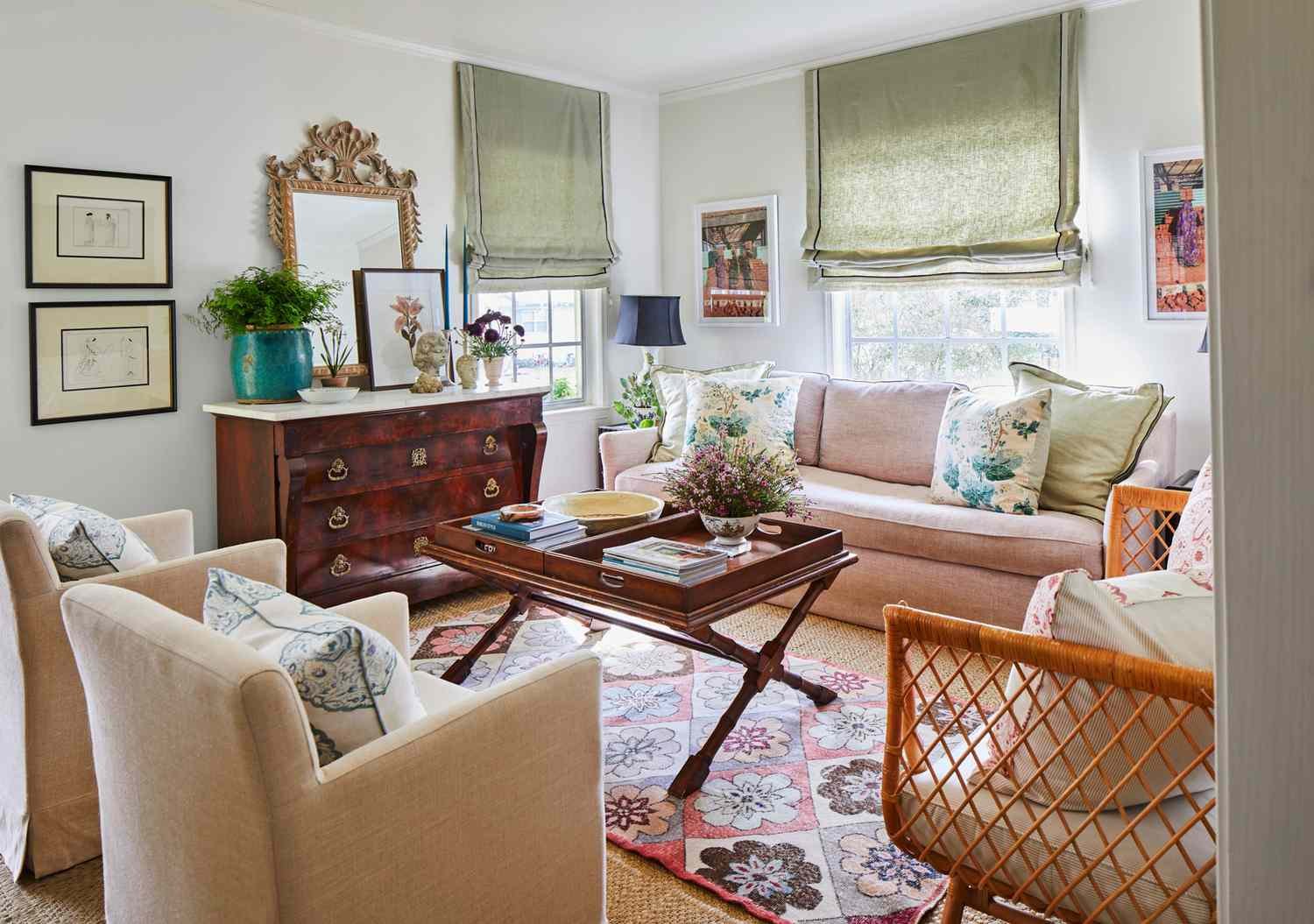
If you plan to rent out your property, next you’ll next to prepare it. This can mean painting it in neutral tones, removing your furniture or other valuable items, or even replacing fixtures and fittings, and so on. Adding extra storage, changing out carpets for hard floors, and addressing any issues like damp are also essential, as they can make your property easier to maintain while renting
Renting Out a Spare Room
The Rent a Room Scheme in the UK is a great opportunity for those who want a small injection to their monthly income without needing to move out. Through the Rent a Room Scheme, you can earn up to £7,500 per year tax-free (for the household, so if it’s split between you and your partner, that’s £3,750). This tax exemption is automatic if you earn under that threshold, but if you earn more, you’ll need to complete a tax return. If you complete a tax return, you’ll only pay tax on anything earned over the threshold.
All you need to get started is to be the resident landlord. So long as you qualify (which you will automatically if you own and live in the home) you can:
- run an in-house bed and breakfast – for example, rent your spare room through a service like Airbnb.
- rent out the spare room or guest house to short-term tenants or a lodger who books out your room for select days. For example, a worker who lives outside London may rent a room in the city for the days they’re expected in the office.
- rent out your spare room to a long-term tenant.
Rent Out Your Space to Businesses
There are a few options where you can rent out your property to businesses, either on a short-term, project basis, or through a longer-term commitment. If you have a large studio space above your garage or in a guest house, for example, you can rent it out as an art studio. Alternatively, you can rent out your entire home for use as a film or commercial set. Each option requires legal consultation, as you’ll need to be properly insured before renting out your space in these ways.