Walk into any pharmacy or supermarket and you’ll find shelves lined with multivitamins promising better energy, stronger immunity, and overall good health. But the big question is: are multivitamins necessary for a healthy diet, or are they just a marketing trend?
The truth is not as simple as “yes” or “no.” It depends on your diet, health goals, and lifestyle. Let’s explore what experts and research actually say about multivitamins and whether you really need them.
What Are Multivitamins?
Multivitamins are supplements that combine a range of essential vitamins and minerals in a single pill, capsule, or gummy. They typically include vitamins A, C, D, E, K, and B-complex, along with minerals like iron, magnesium, calcium, and zinc.
They’re designed to “fill the gaps” in your diet—but it’s important to remember that they supplement food, not replace it. For targeted support, you can also consider a folic acid capsule to help maintain healthy nutrient levels.
The Case For Multivitamins
There’s no denying that modern lifestyles often lead to nutrient gaps. Processed foods, busy schedules, and limited dietary diversity mean many people don’t get enough vitamins and minerals from food alone.
- Elderly individuals often struggle with nutrient absorption.
- Pregnant women may need higher folic acid and iron intake.
- Vegetarians and vegans sometimes lack vitamin B12, iron, and omega-3s.
- People with medical conditions (like digestive issues) may have poor nutrient absorption.
In such cases, multivitamins can provide a safety net.
The Case Against Multivitamins
Despite their popularity, not everyone benefits equally. Critics argue that if you eat a balanced diet rich in fruits, vegetables, whole grains, lean proteins, and healthy fats, multivitamins may not add much value.
Whole foods provide not just vitamins and minerals but also fiber, antioxidants, and phytochemicals that pills cannot replicate. Over-reliance on supplements can give a false sense of security, making people neglect real food.
Additionally, excessive vitamin intake (especially fat-soluble vitamins like A, D, E, and K) can lead to toxicity if taken without professional guidance.
What Does Science Say?
Scientific studies have produced mixed results:
- Positive outcomes: Some research shows multivitamins may slightly reduce the risk of nutrient deficiencies, especially in people with poor diets.
- Neutral outcomes: Large-scale studies often find little to no significant benefit in reducing chronic disease risk for generally healthy adults.
The consensus among experts? Multivitamins are not a replacement for food, but they can be useful when targeted to specific needs.
Cost & Accessibility
Another factor to consider is affordability. For many families, fresh fruits, vegetables, fish, and dairy are the best and most affordable ways to get essential nutrients.
That said, supplement use is rising globally—including in Pakistan—where consumers often compare the vitamin supplements in Pakistan with the cost of nutrient-rich foods. Branded multivitamins can be relatively expensive, and their value depends on the quality and authenticity of the product. For some, it’s cheaper and more effective to focus on dietary improvements, while others find supplements convenient and worth the investment.
Who Actually Needs Multivitamins?
Not everyone requires daily multivitamins. But they may be beneficial for:
- Pregnant and breastfeeding women (with doctor’s advice).
- Older adults with reduced absorption capacity.
- People with restricted diets (vegans, vegetarians, or those with food allergies).
- Individuals with medical deficiencies diagnosed by a doctor.
For the average healthy person eating a diverse diet, multivitamins are optional, not essential.
Balanced Approach: Food First, Supplements Second
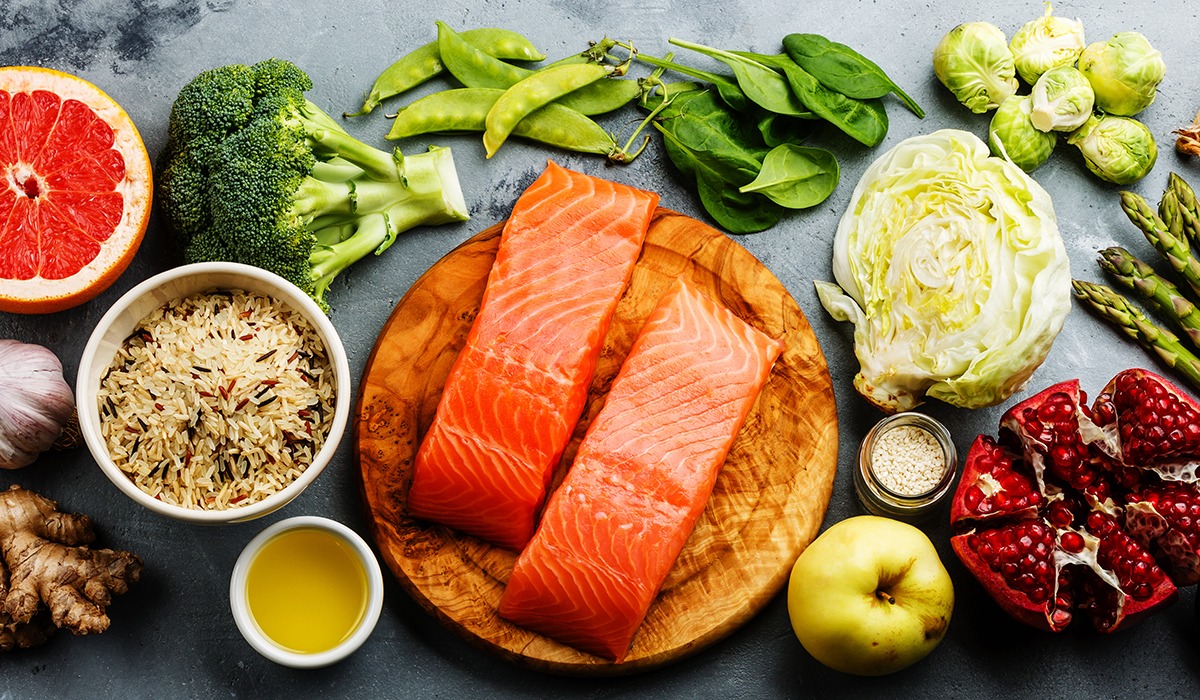
The healthiest approach is to treat food as your primary source of nutrients. Fresh fruits, vegetables, nuts, seeds, lean meats, and whole grains offer a natural nutrient package that no pill can replicate.
Multivitamins should be seen as a back-up plan, helpful when dietary gaps exist but not a shortcut to good health. Consulting a doctor or nutritionist before starting supplements is always the smartest move.
FAQs
1. Do healthy people need multivitamins? If you eat a varied diet, you probably don’t need them. But they can help in cases of poor diet or increased nutrient demand.
2. Can multivitamins replace food? No. They lack fiber, antioxidants, and other compounds found in whole foods.
3. Are there risks to taking too many vitamins? Yes. Over-supplementation can lead to toxicity, especially with fat-soluble vitamins.
4. Should children take multivitamins? Only if recommended by a doctor. A balanced diet usually covers their needs.
Conclusion
So, are multivitamins necessary for a healthy diet? The answer is: not for everyone. If you eat a balanced diet rich in diverse foods, you may not need them. However, for those with dietary restrictions, nutrient deficiencies, or increased demands, multivitamins can be a practical solution.
Ultimately, supplements should be an addition to a healthy lifestyle, not a replacement for it. And if you’re considering them, factor in both their benefits and costs, whether you’re buying locally or evaluating the multivitamin price in Pakistan.