Behind every luxurious leather accessory lies a story of craftsmanship, history, and artistry. But unless you know the difference between various types of leather, it’s easy to miss what makes one piece truly valuable. Did you know that “genuine leather” isn’t always the best quality, despite sounding premium?
The leather world is full of such surprises, and beginners often get caught in the trap of fancy labels. This guide will help you discover the many leather varieties, their strengths and weaknesses, and how to choose the right one for your lifestyle.
Understanding How Leather Is Made
Leather doesn’t simply appear as the polished, stylish product we see in stores—it goes through a series of complex processes that transform raw animal hides into durable, wearable, and often luxurious goods. This transformation is what gives leather its unique character, resilience, and longevity.
At its core, leather-making is a balance of science, tradition, and craftsmanship. While modern technology has refined the process, the fundamentals have remained consistent for centuries. Let’s break it down step by step.
3 Step Guide Of Leather Processing
The journey of leather begins with animal hides—most commonly from cows, goats, or sheep. These hides are a byproduct of the meat industry, meaning leather itself is often a sustainable way to utilize materials that would otherwise go to waste.
Once sourced, the hides undergo a critical procedure known as tanning, which preserves the skin and prevents it from decaying. Without tanning, the hide would simply rot. Here’s how it works:
- Preparation (Curing and Cleaning):
Fresh hides are salted or frozen to prevent decomposition. They’re then soaked and cleaned to remove hair, dirt, and natural oils. - Tanning:
This is the heart of leather-making. Hides are treated with tanning agents to stabilize the fibers. There are two main methods:- Vegetable Tanning – Uses natural tannins from tree bark or plants. It produces sturdy, rich-colored leather that develops a beautiful patina over time. Ideal for belts, saddles, and luxury bags.
- Chrome Tanning – Uses chromium salts, creating softer, more flexible leather that’s water-resistant and quick to produce. This method is widely used for jackets, shoes, and everyday accessories.
- Re-Tanning, Dyeing, and Finishing:
After tanning, the leather may be re-tanned for added qualities, dyed for color, and finished with oils, waxes, or coatings to achieve the desired look and feel.
The tanning process not only enhances durability but also influences the final texture, softness, and price of the leather.
Main Types of Leather You Need To Know
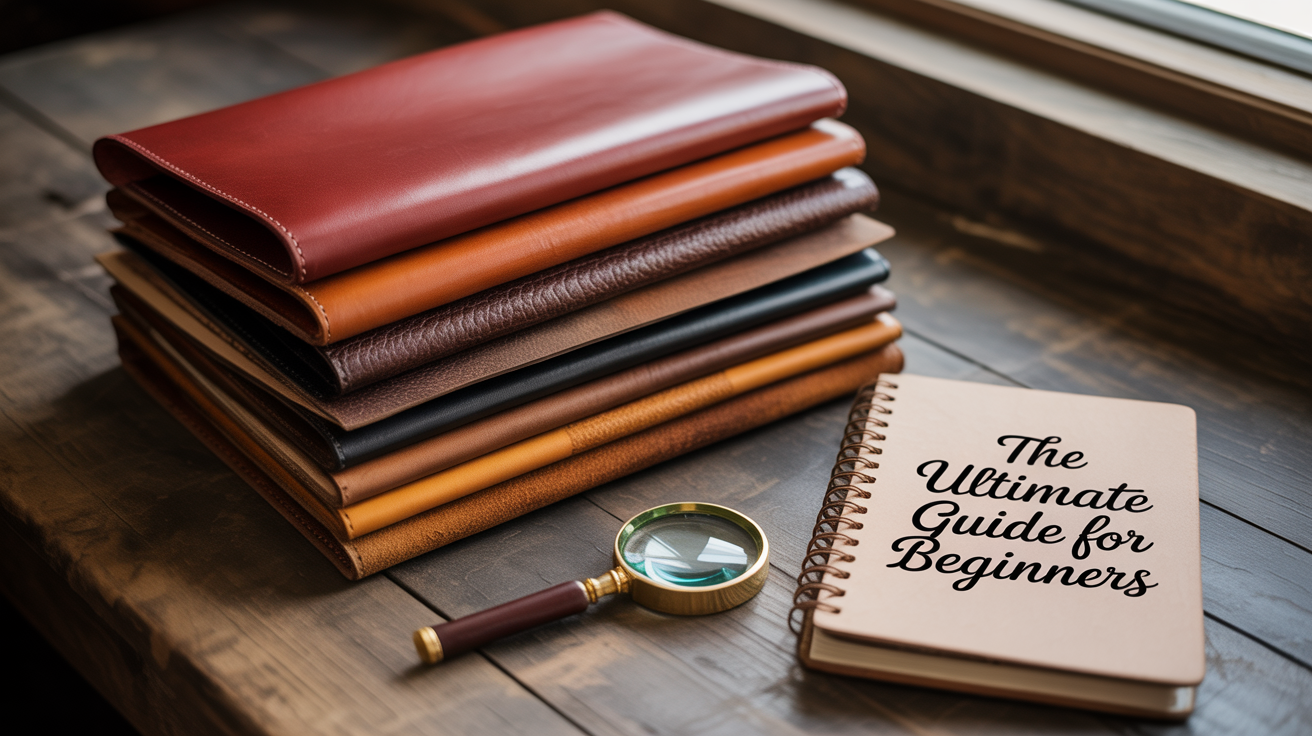
When people talk about leather, they usually assume it’s all the same. But in reality, leather comes in many different forms—each with its own unique texture, durability, appearance, and price point. Knowing the main types of leather is essential before you buy a leather jacket, handbag, wallet, or even a pair of shoes. Not only does it help you choose the right product for your needs, but it also allows you to recognize quality when you see it.
Broadly, leather is categorized based on how the hide is treated and how much of the original grain is preserved. These variations give us the most common types you’ll hear about in the fashion and accessories industry:
Full Grain Leather
Full-grain leather is often called the gold standard of leather—the best you can buy. It’s made from the very top layer of the animal hide, keeping the natural grain completely intact without sanding or buffing. Full-grain leather not only looks luxurious but also ages beautifully. It develops a rich patina—a natural sheen that comes from years of use and exposure to oils, sunlight, and handling.
Best Applications
Full-grain leather is the go-to choice for luxury goods and premium fashion items. Because of its durability and premium quality, it’s widely used in:
- High-end leather jackets – offering comfort, style, and long-lasting wear.
- Luxury handbags and purses – prized for their timeless beauty and ability to age well.
- Premium shoes and boots – durable enough to withstand years of wear while looking stylish.
- Leather wallets and belts – items that endure frequent use and benefit from patina development.
- High-quality furniture and upholstery – providing an elegant look and lasting durability.
In short, full-grain leather is for those who value authenticity, durability, and timeless style. If you’re investing in a piece that you want to last and get better with age, this type of leather is the ultimate choice.
Top-Grain Leather
Top-grain leather is the second-highest quality of leather after full-grain. It’s made from the outer layer of the hide but is lightly sanded and treated to remove natural imperfections such as scars or blemishes. This process gives it a smoother, more uniform appearance compared to full-grain leather.
Because of this refinement, top-grain leather is more flexible, lighter, and easier to work with, making it a popular choice for both mid-range and luxury products. While it doesn’t develop the same rich patina as full-grain, it still maintains an elegant look and offers excellent durability for everyday use.
Best Applications
Top-grain leather is widely used in products that require both style and practicality, such as:
- Designer handbags and purses – stylish yet durable.
- Fashion jackets and coats – comfortable and lighter than full-grain.
- Footwear – especially dress shoes that need a polished finish.
- Furniture upholstery – offering a clean, uniform look that fits modern interiors.
- Accessories – including wallets, belts, and watch straps.
If you want a leather product that’s sleek, durable, and slightly more budget-friendly than full-grain, top-grain leather is an excellent choice.
Genuine Leather
The term “genuine leather” can be confusing for beginners. At first glance, it sounds like a guarantee of high quality, but in reality, it’s considered one of the lower grades of real leather. Genuine leather is made from the layers of the hide that remain after the top layers (used for full-grain and top-grain) are split off.
To improve its look, manufacturers often treat it with dyes, embossing, or artificial finishes. While it’s still real leather, it lacks the strength, natural texture, and aging qualities of higher-grade options. That said, genuine leather is more affordable and gives beginners access to real leather goods without breaking the bank.
Bonded Leather
Bonded leather is considered the lowest grade of real leather. Instead of coming from a solid piece of hide, it’s made by blending together leftover leather scraps, fibers, and even dust. These particles are bonded with polyurethane or latex and then pressed onto a fiber sheet to create a leather-like surface. To make it look more appealing, manufacturers often emboss it with patterns and apply dyes to mimic the texture of higher-quality leathers.
While bonded leather is the cheapest option, it has the least durability and tends to wear out quickly. It’s often marketed simply as “leather,” which can mislead beginners into thinking they are buying genuine or top-grain quality.
Best Applications
Because of its low cost, bonded leather is mostly used in budget products or items that don’t need long-term durability, such as:
- Cheap office chairs and low-cost furniture upholstery
- Budget handbags and belts
- Low-quality shoes
- Book covers and journals
- Cases for electronics (laptops, tablets, etc.)
In simple terms, bonded leather is best if you’re looking for the look of leather without the price tag—but it’s not suitable for those who expect their purchase to last for years.
FAQs
What type of leather is best for beginners?
Full-grain is the most durable, but top-grain offers a good balance of quality and affordability.
How can I tell if leather is real or fake?
Genuine leather has a distinct smell, uneven texture, and absorbs water, while fake leather feels more uniform and plastic-like.
Which leather is most affordable?
Genuine leather and bonded leather are typically the cheapest options.
Is suede hard to maintain?
Yes, suede stains easily and requires special brushes and sprays for protection.
What leather is used in luxury handbags?
Most luxury brands prefer full-grain or exotic leathers like crocodile or ostrich.
Is vegan leather durable?
It’s improving with technology but generally less long-lasting than natural leather.
Conclusion:
Leather comes in many types, each with unique qualities, uses, and care requirements. Beginners should start by learning the differences between full-grain, top-grain, and genuine leather. With this knowledge, you’ll be able to make confident, informed choices—whether buying a new sofa, a pair of boots, or a timeless handbag.