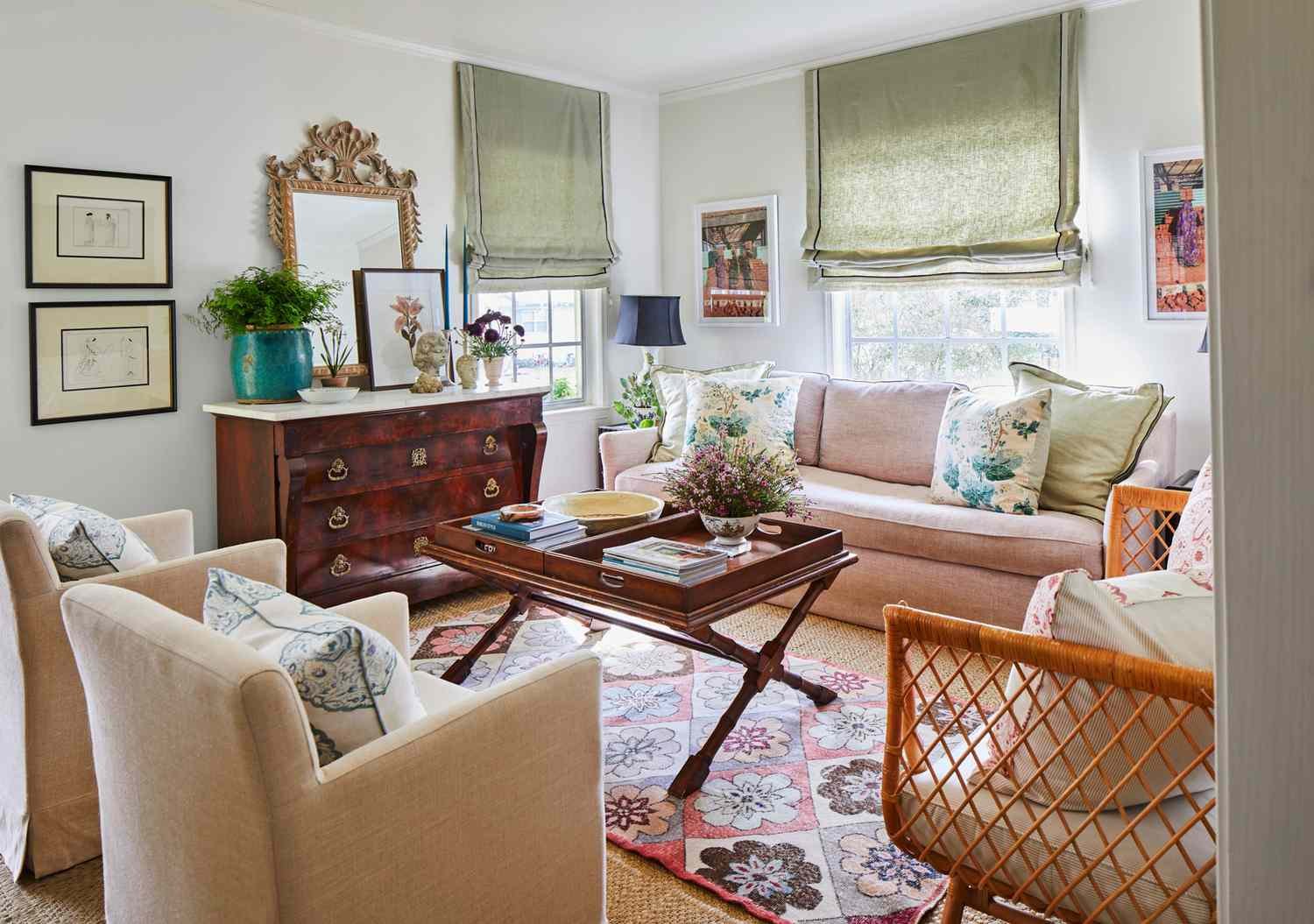
Goodbye sticky floors and communal bathrooms—hello hardwood and your own front door. Moving from student housing to your first proper flat is a chance to build a home that matches your aesthetic and lifestyle, but it can also expose gaps in your planning skills. A confident baddie approaches the transition with equal parts creativity and pragmatism. Here’s how to make your move smarter.
Clarify Your Style and Set Your Budget
Before you fall in love with a mid‑century sofa you saw online, define what “dream flat” means to you. Do you crave neutral tones or prefer colourful vintage flair? Think about how you live day to day—do you need space to host friends, room for a pet or a corner to work remotely? Once you’ve sketched out your ideal vibe, tally your resources. Include rent, deposit, moving costs and a furnishing fund. Prioritise essentials like a quality mattress and functional seating over impulse décor buys. Planning your finances now keeps you out of debt and lets you savour small upgrades later.
Edit Your Inventory
Take a hard look at what you’ve accumulated during your student years. Mismatched glassware and extra course readers? Time to let them go. Divide your belongings into keep, donate and discard categories. Keep items in good condition that suit your future home. Donate or sell duplicates, outdated textbooks and furniture that won’t fit. Repurpose pieces with potential—a fresh coat of paint can transform a tired dresser. Editing not only lightens your load but also clarifies what you actually need to buy. It’s far easier to style a room around a few meaningful items than to cram in everything from your past.
Understand the Scope of Your Move
Moving two streets away is very different from relocating across the country. For local moves, think about the physical challenges: narrow staircases and parking. Hiring local removalists who know the neighbourhood can prevent injuries and strained relationships. They can coordinate elevator bookings, wrap your fragile items and manoeuvre around restrictions. If you’re headed to another state, long‑distance logistics come into play: scheduling pick‑ups and deliveries, securing items for a longer journey and managing leases. Trusted interstate movers will plan routes, offer storage if dates don’t align and handle the paperwork. Knowing which type of support you need helps you allocate your budget and time effectively.
Pack and Plan with Intention
Packing is less daunting when you approach it methodically. Gather sturdy boxes, tape and cushioning materials. Pack similar items together and label each box with the room it belongs to. Put heavier objects like books in smaller boxes. Create a “first night” kit with toiletries, chargers, basic utensils and a change of clothes, so you’re not rummaging through boxes when you’re exhausted. If sorting through years of stuff feels overwhelming, break the job into zones and reward yourself after completing each one. Staying organised during this stage will make unpacking feel like decorating instead of damage control.
Furnish and Protect Your Space
Once you’re in, resist the urge to buy everything at once. Live in the space for a few weeks to understand its quirks—where sunlight hits and how you move between rooms. Start with essentials like a bed, sofa and lighting. Mix vintage finds with new pieces for character without breaking the bank. Photograph every room on move‑in day to document wear and tear, and use felt pads on furniture legs to prevent scratches. Read your lease carefully and fix minor issues before they become serious. Renters’ insurance can save you from expensive surprises later.
Think Green
Being a baddie doesn’t mean ignoring the planet. Opt for second‑hand furniture where possible, use recyclable packing materials and donate or recycle what you’re leaving behind. Consider choosing efficient appliances and adding plants to purify air and lift your mood. Small eco‑friendly choices add up to a healthier home and a smaller footprint.
Stay Grounded During the Process
A glamorous move is still a move, and it will test your patience. Make a playlist that energises you, light candles or diffuse oils to calm your nerves and remember to drink water. Taking care of yourself keeps you resilient when the sofa doesn’t fit through the door or the Wi‑Fi isn’t connected on day one. It’s not indulgent to take a break; it’s strategic. A clear mind makes smart decisions.
Connect to Your New Community
Your flat is just one part of your upgraded life. Explore your neighbourhood with curiosity—try cafés, locate the nearest grocery store and figure out your commute. Attend events or classes that align with your interests, whether that’s yoga, art or volunteering. Saying hello to neighbours or chatting with local shop owners helps you feel anchored. Building connections broadens your network and makes your new environment feel safer and more welcoming. If you’ve moved far from family, schedule regular calls or visits to maintain relationships. A supportive community inside and outside your home is part of what makes the “dream” in dream flat.
Celebrate Your Progress
Transitions deserve recognition. Once the boxes are unpacked and the artwork is hung, invite friends over for a housewarming or treat yourself to a quiet evening in. Document your flat’s evolution with photos so you can appreciate how far you’ve come—from thrifted finds to the plants that survived your first winter. Moving out of student digs is more than a logistical exercise; it’s a declaration of independence. By planning wisely, editing your belongings and getting help when necessary, you can create a home that reflects your confidence and aspirations. Take a moment to enjoy your morning coffee in a space that’s all yours—and know that the smartest move you made was doing it your way.