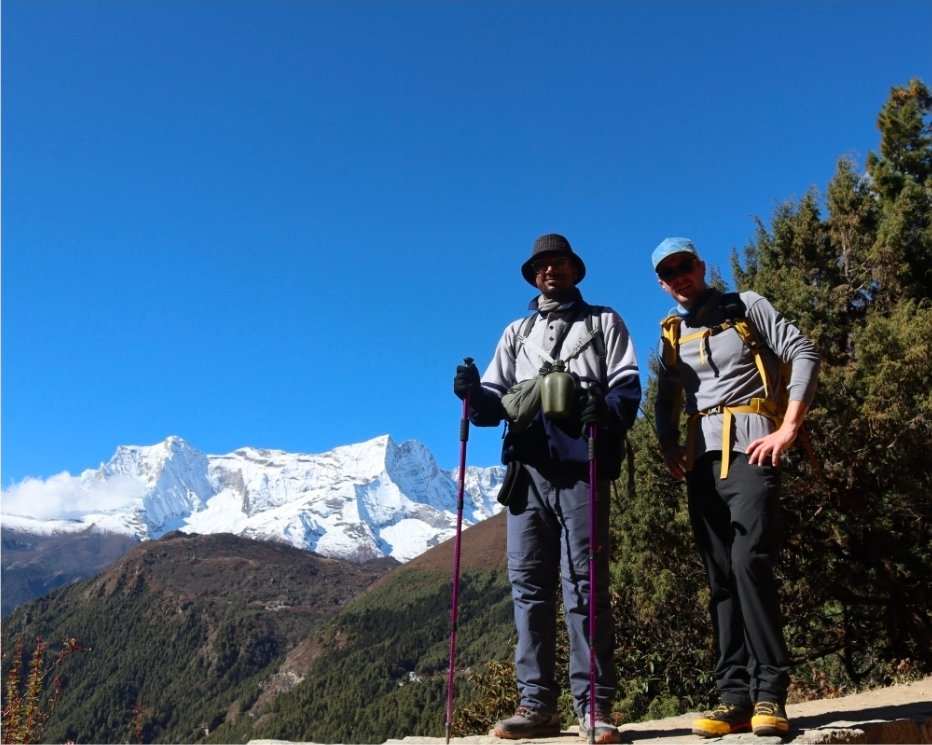
The Manaslu Circuit Trek has quietly become one of Nepal’s most rewarding Himalayan adventures. Unlike the crowded trails of Everest and Annapurna, Manaslu offers a journey through remote mountain villages, ancient Buddhist monasteries, dramatic river gorges, and breathtaking Himalayan scenery. The trail circles Mount Manaslu (8,163 meters), the world’s eighth-highest mountain, before crossing the spectacular Larkya La Pass at 5,106 meters.
Yet one question surprises many trekkers while planning their trip:
Why is the Manaslu Circuit a restricted trekking region?
The answer has little to do with making the trek exclusive. Instead, the restriction exists to protect the region’s fragile environment, preserve its unique culture, improve border security, and encourage responsible tourism. Understanding these reasons helps trekkers appreciate why the Manaslu region remains one of Nepal’s best-preserved trekking destinations.
Understanding the Manaslu Restricted Area
The Manaslu Circuit follows a remote trail in north-central Nepal, close to the Nepal-Tibet (China) border. Much of the route, particularly from Jagat to Samagaon, lies inside Nepal’s designated Restricted Area.
To enter this section, foreign trekkers must obtain a Restricted Area Permit (RAP) issued by the Nepal government. Independent trekking is not permitted. Visitors must travel through a registered local trekking company and be accompanied by a licensed trekking guide. In most cases, the permit also requires at least two trekkers in the group, although many agencies arrange “permit-sharing” groups for solo travelers.
These rules are not simply administrative requirements; they are designed to protect one of Nepal’s most culturally and environmentally sensitive mountain regions.
Why Is Manaslu a Restricted Trekking Region?
1. To Protect the Unique Tibetan Buddhist Culture
One of the biggest reasons behind the restricted status is cultural preservation.
The upper Manaslu region has remained relatively isolated for centuries. Many villages, including Samagaon, Samdo, and Lho, have strong Tibetan cultural roots. The local communities continue to practice traditional Buddhism, speak Tibetan-influenced languages, celebrate centuries-old festivals, and maintain a way of life that has changed very little over generations.
If unrestricted mass tourism were allowed, these traditions could gradually disappear under commercial pressure. Limiting visitor numbers helps local communities preserve their customs while still benefiting from tourism.
Trekkers often describe the Manaslu Circuit as feeling like stepping into a living Himalayan culture rather than visiting a tourist destination.
2. Because the Region Lies Near an International Border
Another important reason is geography.
The upper section of the Manaslu Circuit lies close to the Nepal-Tibet border. Border regions naturally require greater monitoring for security and administrative purposes.
By requiring trekking permits, registered guides, and approved itineraries, authorities know who is entering the region and when. This system helps improve visitor safety while supporting border management in remote mountain areas where government presence is limited.
3. To Preserve the Fragile Himalayan Environment
The Manaslu region contains pristine forests, alpine meadows, glacial rivers, and diverse wildlife. It is also part of the Manaslu Conservation Area, home to rare species such as snow leopards, Himalayan tahr, blue sheep, red pandas, musk deer, and numerous Himalayan birds.
Uncontrolled tourism can place enormous pressure on fragile mountain ecosystems. More trekkers often mean more waste, greater trail erosion, increased pressure on water resources, and disturbance to wildlife habitats.
Restricted tourism helps keep visitor numbers manageable, allowing conservation efforts to protect the natural beauty that makes the region so special.
4. To Promote Safer Trekking in a Remote Area
Unlike Everest Base Camp Trek or Annapurna Base Camp Trek, the Manaslu Circuit remains far more remote.
Many sections of the trail pass through isolated villages where medical facilities, communication networks, and rescue services are limited. Weather conditions can also change rapidly, especially around Larkya La Pass.
Requiring licensed guides helps reduce the risks associated with high-altitude trekking. Experienced guides understand the route, monitor trekkers for altitude sickness, coordinate logistics, and respond quickly if emergencies occur.
For many visitors, having a knowledgeable local guide also adds depth to the experience through cultural insights and local stories.
5. To Encourage Responsible and Sustainable Tourism
The goal is not to keep tourists away; it is to welcome them responsibly.
The Manaslu region has avoided the heavy commercialization seen on some of Nepal’s more popular trekking routes. There are fewer crowds, quieter villages, and a stronger connection between visitors and local communities.
Permit fees collected from restricted trekking also contribute to conservation projects, infrastructure improvements, and local development, helping ensure tourism benefits the people who live along the trail.
This balanced approach supports long-term sustainability while preserving the authentic character of the region.
Does the Restricted Status Make the Trek More Difficult?
Not necessarily.
The trekking itself is physically demanding because of the altitude, long walking days, and the crossing of the Larkya La Pass. However, the permit process is straightforward when arranged through a licensed trekking company.
Most trekking agencies handle:
- Restricted Area Permit (RAP)
- Manaslu Conservation Area Permit (MCAP)
- Annapurna Conservation Area Permit (ACAP)
- Licensed trekking guide
- Accommodation and transportation
- Necessary logistics throughout the trek
For trekkers, this means less paperwork and more time to focus on preparing for the adventure.
Is the Restriction Worth It?
Most trekkers who complete the Manaslu Circuit would say yes.
The restrictions have helped preserve exactly what makes the region so memorable. Instead of busy trails and crowded viewpoints, you’ll experience peaceful mountain villages, welcoming local families, ancient monasteries, dramatic Himalayan landscapes, and a genuine sense of wilderness.
Many visitors leave Manaslu feeling they have experienced the Himalayas as they once were, before large-scale tourism transformed many other trekking regions.
Final Thoughts
The Manaslu Circuit is a restricted trekking region for good reasons. Its location near the Nepal-Tibet border, its culturally significant Tibetan communities, its fragile mountain ecosystems, and its remote terrain all require thoughtful management.
Rather than limiting the experience, these regulations help preserve everything that makes the trek exceptional. They protect local traditions, conserve the environment, improve safety, and ensure tourism remains sustainable for future generations.
For trekkers seeking an authentic Himalayan adventure with fewer crowds and deeper cultural experiences, the Manaslu Circuit remains one of Nepal’s finest trekking destinations—and its protected status is a major reason why.