As cryptocurrency matures, many investors are looking beyond price speculation and exploring how to make their digital assets work for them. One of the most straightforward ways to earn passive income with crypto is through a process called staking.
Staking allows token holders to earn rewards while helping maintain blockchain networks. It’s a win-win mechanism that supports decentralization while offering returns that, in many cases, far outpace traditional bank savings rates.
Whether you’re holding tokens long term or just starting to explore the crypto ecosystem, understanding staking is an essential step in making informed investment decisions.
What Is Crypto Staking?
Crypto staking involves locking up digital assets to help power and secure a blockchain network—typically one that uses a Proof of Stake (PoS) consensus mechanism. In return, users earn staking rewards, often calculated as an Annual Percentage Yield (APY).

In PoS networks, validators replace the traditional “miners” found in Proof of Work systems like Bitcoin. These validators are responsible for verifying transactions and maintaining the integrity of the blockchain. To become a validator, one must stake a certain amount of cryptocurrency as collateral. This stake serves as both a contribution to the network and a financial incentive to act honestly.
But becoming a validator isn’t the only way to earn staking rewards. Most blockchains and exchanges allow users to participate through delegation, custodial services, or simplified staking platforms.
Why Stake Your Crypto?
Staking is more than just a way to collect passive income. It plays a crucial role in the health and functionality of many blockchain networks. Here are the main benefits of staking:
- Earn Passive Income: With APYs ranging anywhere from 4% to over 20%, staking offers consistent returns on tokens you already own.
- Support Network Security: Staking helps keep blockchains decentralized and resistant to attacks by involving more participants in the consensus process.
- Low Barrier to Entry: Many staking platforms allow users to start with small amounts and no technical knowledge.
- Additional Perks: Some platforms offer bonuses like early access to new tokens, fee discounts, or airdrops to active stakers.
Common Types of Staking
Staking options vary depending on the platform and the blockchain, each with different trade-offs in control, convenience, and risk.
- Direct Staking: This involves running your own validator node. It offers full control and maximum returns but requires technical knowledge and a significant upfront investment.
- Delegated Staking: Users can delegate their tokens to a validator who handles the technical side. This is common in networks like Cardano or Polkadot.
- Exchange-Based Staking: Many crypto exchanges offer simplified staking programs where users can stake with just a few clicks. The exchange manages delegation, reward distribution, and technical operations.
- Liquid Staking: In liquid staking, users receive a derivative token (like stETH or mSOL) that represents their staked position. These tokens can often be traded or used in decentralized finance (DeFi), offering both staking rewards and liquidity.
Step-by-Step Staking Guide
If you’re ready to get started, here’s a practical guide to staking your crypto. You do not need advanced technical knowledge, and the process is straightforward once you understand the basic steps.
Step 1: Choose a Staking-Friendly Asset
Not all cryptocurrencies support staking. Look for tokens based on Proof of Stake or similar consensus mechanisms. Some popular staking coins include Ethereum, Cardano, and Solana, but niche assets like ZEPH USDT have also attracted attention for their community-driven projects and competitive staking rewards. Each network offers different yields, lock-up terms, and risk profiles, so review the specifics before proceeding. Some popular staking coins include:
- Ethereum (ETH, post-merge)
- Cardano (ADA)
- Solana (SOL)
- Polkadot (DOT)
- Avalanche (AVAX)
- Cosmos (ATOM)
Each network offers different yields, lock-up terms, and risk profiles, so review the specifics before proceeding.
Step 2: Select a Staking Platform
This is where your experience and risk tolerance come into play. You have three primary options:
- Wallet Staking: Use a crypto wallet like Trust Wallet, Ledger, or Keplr that supports native staking. You retain full control but must manage validator selection and unstaking.
- Delegated Services: Use a third-party service like Lido or Rocket Pool. These simplify the process while offering features like liquid staking and pooled participation.
- Crypto Exchanges: For simplicity and speed, centralized exchanges offer the most accessible path. You can stake directly from your exchange wallet with no validator research required.
Step 3: Start Staking on a Platform (Example: MEXC)
If you’re using an exchange, the process is usually streamlined. Here’s a general example using MEXC, one of several popular exchanges that supports staking. Stakers can also explore niche pairs like TICS USDT on MEXC, which may offer unique yields compared to mainstream staking assets.

- Create and verify your account: Complete the signup process and ensure your identity verification (KYC) is submitted.
- Deposit the supported token: Transfer tokens like MX, ETH, or DOT to your MEXC account.
- Navigate to the staking section: Locate the “Earn” or “Staking” page on the platform dashboard.
- Choose your staking product: Select the token and review details like APY, lock-up period, and reward frequency.
- Confirm and stake: Enter the amount to stake, confirm the terms, and submit.
MEXC frequently offers high APYs on staking products, including up to 70 percent for MX token holders. The platform also provides perks such as trading fee discounts and early access to new token launches.
Step 4: Monitor Rewards and Manage Your Stake
Most platforms provide a dashboard to track earned rewards, remaining lock-up time, and total staked amount. Be aware of:
- Unstaking periods (how long it takes to withdraw)
- Reward distribution frequency (daily, weekly, or otherwise)
- Auto-stake settings (to compound returns)
Understanding the Risks
Like all investment strategies, staking comes with its own risks. Being aware of them helps you make informed decisions.
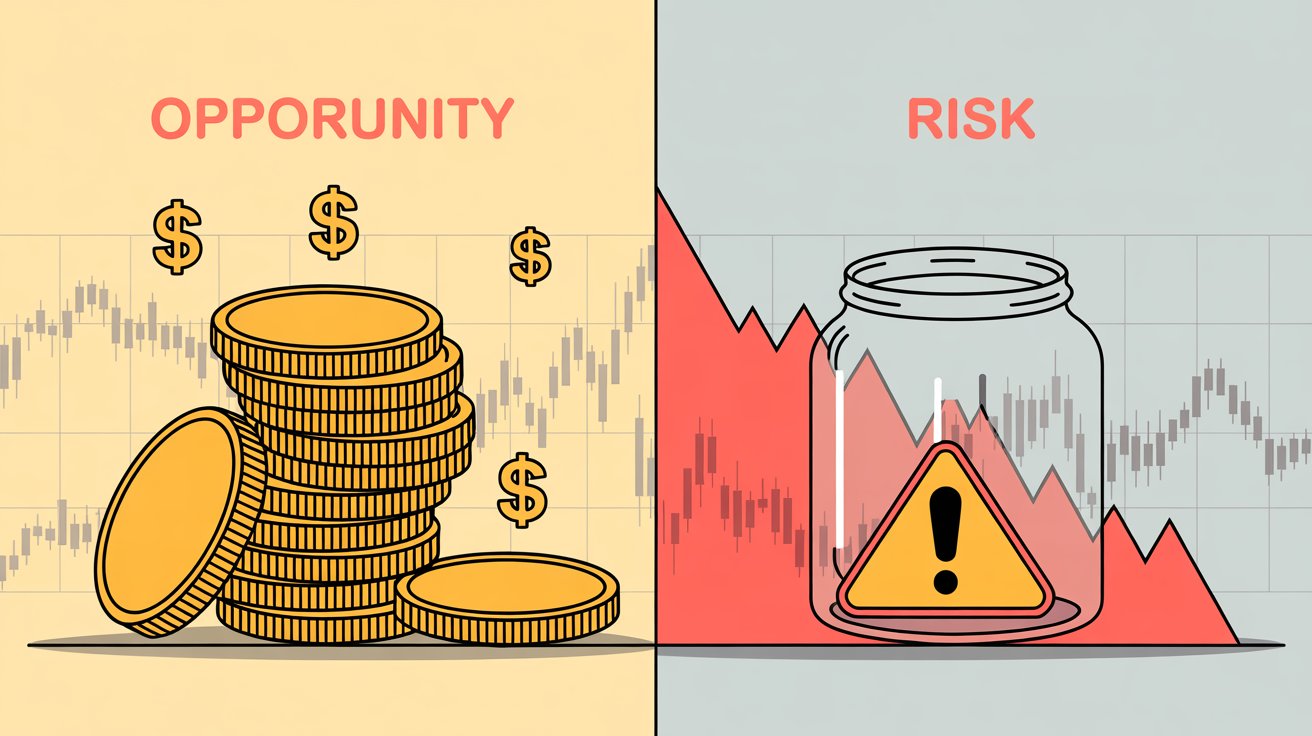
- Market Volatility: Crypto prices can fluctuate dramatically. Even if you’re earning a 10% APY, a 30% drop in the token’s value could erase your gains.
- Lock-Up Periods: Some staking products require you to lock your assets for weeks or months, during which they can’t be traded or withdrawn.
- Slashing Penalties: In some blockchains, misbehaving validators may lose part of their stake. If you’ve delegated to one of these, you could lose a portion of your assets.
- Platform Risk: When staking through centralized exchanges or third-party services, you’re trusting that platform to securely hold your funds. Choose platforms with strong security measures, proof-of-reserve audits, and transparent policies.
- Inflation Effects: Some rewards come from new token issuance. If inflation is high, your returns could be diluted over time.
Is Staking Right for You?
Staking is one of the most accessible and practical ways to earn passive income in the crypto world. If you’re already holding a Proof of Stake token and don’t plan to sell in the near term, staking can turn idle assets into earning tools.
However, it’s not a magic bullet. Consider your liquidity needs, time horizon, and risk appetite before staking. Diversifying across different assets or using liquid staking options can help balance yield and flexibility.
Final Thoughts
Crypto staking is becoming an increasingly popular way to generate income within the decentralized economy. It offers a powerful combination of accessibility, consistent returns, and active participation in blockchain networks, all without the need for day trading skills or technical expertise.
By selecting the right token, using a reliable platform, and choosing a strategy that fits your goals, you can start earning rewards while contributing to the health and security of blockchain systems. Whether you stake through a wallet, delegate to a validator, or use a centralized exchange, success comes down to staying informed, understanding the terms, and treating staking as a thoughtful financial decision rather than following hype.
As the cryptocurrency ecosystem grows and matures, staking is expected to play an even larger role in how users engage with and benefit from blockchain technology.