Massillon is a city defined by its rich history and diverse housing stock, ranging from turn-of-the-century Victorians to mid-century ranches. While these homes possess undeniable character, their infrastructure was often designed for a very different era of energy consumption. In the 1950s and 60s, the average household electrical load consisted of a refrigerator, a few incandescent light bulbs, a radio, and perhaps a small television. Today, that same home is expected to power central air conditioning, high-efficiency electric dryers, induction cooktops, and charging stations for electric vehicles. This drastic shift in demand places an enormous strain on the electrical panel, which serves as the central distribution point for all power entering the residence. Understanding the capacity of your electrical panel is not just a technical detail; it is a fundamental aspect of maintaining a safe and functional home in the modern age.
Understanding the Limits of Older Electrical Systems in Massillon
The capacity of an electrical panel is measured in amperes, commonly referred to as amps. This rating determines the total amount of electrical current the system can draw from the utility grid at any one time without overheating. Many older homes in the Massillon area still rely on 60-amp or 100-amp electrical services. While a 60-amp service may have been sufficient seventy years ago, it is woefully inadequate for today’s standards. A modern kitchen renovation alone, with its dishwasher, microwave, garbage disposal, and electric oven, can easily consume nearly the entire capacity of a 60-amp panel. When the demand exceeds the supply, the system is forced to operate in a constant state of stress.
A 100-amp service, which was the standard for many years, is now considered the bare minimum for a small home with gas appliances. If a homeowner attempts to add significant electrical loads, such as a central air conditioning unit or a hot tub, to a 100-amp panel, they often find themselves managing a balancing act. They might have to turn off the air conditioner to run the dryer or avoid using the microwave when the vacuum cleaner is on. This is not merely an inconvenience; it indicates that the main service cables and the panel bus bars are running near their thermal limits. Over time, running a panel at maximum capacity degrades the insulation on the wires and weakens the connections, creating a silent but serious fire hazard behind the basement walls.
Signs Your Current Capacity is Insufficient
The most common symptom of an underpowered electrical panel is the frequent tripping of circuit breakers. A breaker is designed to cut power when the current flowing through it exceeds safe levels. If you find yourself resetting breakers multiple times a week, it is a clear signal that the circuits are overloaded. However, capacity issues often manifest in more subtle ways before a breaker ever trips. You might notice that the lights in the living room dim momentarily when the refrigerator compressor kicks in or when the sump pump activates. This “voltage drop” occurs because the electrical service cannot supply enough current to start the motor without starving other circuits of power.
Another physical indicator is heat. An electrical panel should effectively dissipate the small amount of heat generated by the flow of electricity. If you place your hand on the metal cover of the panel and it feels warm to the touch, or if you smell a faint burning odor like hot plastic, the system is overheating. This suggests that the internal components are struggling to handle the electrical load. In Massillon homes where humidity can also be a factor, this heat can accelerate corrosion on the bus bars, further increasing resistance and heat generation. Recognizing these signs early is critical. Scheduling a professional evaluation of your Electrical Panel Massillon OH allows you to identify capacity bottlenecks before they result in a total power loss or an electrical fire.
The Risks of Overloading Your Electrical Infrastructure
When a homeowner ignores the limitations of their electrical panel and continues to add new devices, they risk compromising the integrity of the entire electrical system. The primary danger is thermal damage. As electricity flows through a wire, it generates heat based on the amount of resistance it encounters. Wires are sized specifically to handle certain amounts of current without getting too hot. When a panel is overloaded, the main service entrance cables—the heavy wires connecting the meter to the panel—can heat up significantly. This excessive heat causes the protective insulation jacket to become brittle and crack, eventually exposing live wires.
Furthermore, an overloaded panel often leads to “double tapping,” a dangerous code violation found in many older installations. This occurs when a homeowner or handyman tries to add a new circuit but finds there is no physical space left in the box for another breaker. Instead of upgrading the panel, they shove two wires into a single breaker terminal designed for one. This creates a loose connection that is prone to arcing, sparking, and overheating. It essentially bypasses the safety design of the breaker, as the combined load of the two circuits might not trip the breaker even if one wire is dangerously overloaded. This practice compromises the safety of the specific circuit and the stability of the bus bar it connects to.
Calculating the Load for Modern Renovations
Before undertaking any major home improvement project, a load calculation is essential. This is a mathematical formula used by electricians to determine if the existing electrical service can support new additions. For example, installing a Level 2 electric vehicle charger can add a continuous load of 30 to 50 amps. If the home currently has a 100-amp panel and the existing load calculation shows the house uses 80 amps at peak demand, adding the EV charger is mathematically impossible without an upgrade. The same logic applies to finishing a basement, adding a sauna, or switching from a gas range to an induction cooktop.
Homeowners often overlook the electrical infrastructure when budgeting for renovations, only to discover later that their new appliances cannot be installed safely. A proper load calculation takes into account the square footage of the home, the heating and cooling equipment, and the specific wattage of major appliances. It provides a realistic picture of the home’s energy profile. In Massillon, where many homes have been modified and expanded over decades, the original electrical service is rarely sufficient for a modern lifestyle. Upgrading the capacity ensures that your investment in new appliances or renovations is protected by a robust and capable power supply.
The Benefits of Upgrading to a 200-Amp Service
For most modern single-family homes, upgrading to a 200-amp electrical service is the gold standard for future-proofing and safety. This upgrade involves more than just swapping out the grey metal box on the wall. It typically requires replacing the service entrance cable that runs up the side of the house, installing a new meter base, and ensuring the grounding system meets current code requirements. By doubling the capacity from 100 to 200 amps, a homeowner effectively removes the ceiling on their energy usage.
A 200-amp panel provides ample physical space for more circuit breakers, eliminating the need for dangerous double-tapping or overcrowded subpanels. It allows for the separation of heavy loads onto their own dedicated circuits, which prevents lights from flickering when the vacuum is turned on. Additionally, a modern panel installation includes updated safety technology, such as whole-home surge protection and improved grounding, which protects sensitive electronics from grid fluctuations and lightning strikes. From a real estate perspective, a new 200-amp Electrical Panel Massillon OH service is a significant selling point. It signals to potential buyers that the home has been well-maintained and is ready to support a modern, high-tech lifestyle without the need for immediate and expensive repairs.
Gragg Electric: Your Massillon, OH Electrical Capacity Experts
Empowering Local Homeowners
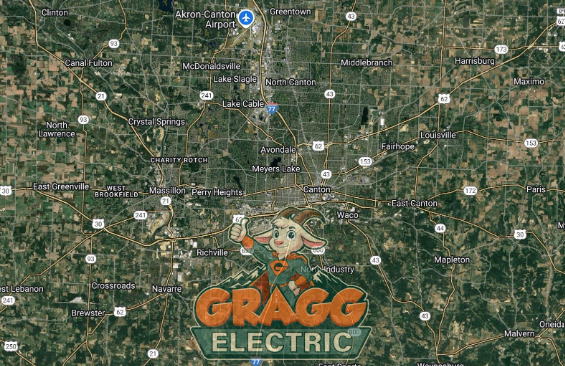
Gragg Electric is proud to serve the community of Massillon and the surrounding North Canton areas with expert electrical solutions. We understand that the safety of your home depends on a reliable power system that can handle the demands of daily life. Our team of licensed electricians possesses the deep industry knowledge required to navigate the unique challenges of local housing, from historic retrofits to modern capacity upgrades. We are dedicated to providing honest assessments and clear communication, helping you understand exactly what your electrical system needs to perform safely.
Professional Service Upgrades and Inspections
We specialize in heavy-ups, service entrance replacements, and comprehensive panel inspections. At Gragg Electric, we do not believe in cutting corners. We ensure that every wire is properly sized, every connection is torqued to specification, and every component meets the rigorous standards of the National Electrical Code. Whether you are planning a renovation or simply want to stop your breakers from tripping, we have the expertise to expand your capacity and secure your home’s electrical future. Trust Gragg Electric to provide the power and peace of mind you deserve.
Brandon Gragg
Gragg Electrical Services
333 Cedar St S, East Canton, OH 44730
(330) 488-8009
https://graggelectricalservices.com/service-areas/massillon-oh/
info@graggelectrical.com