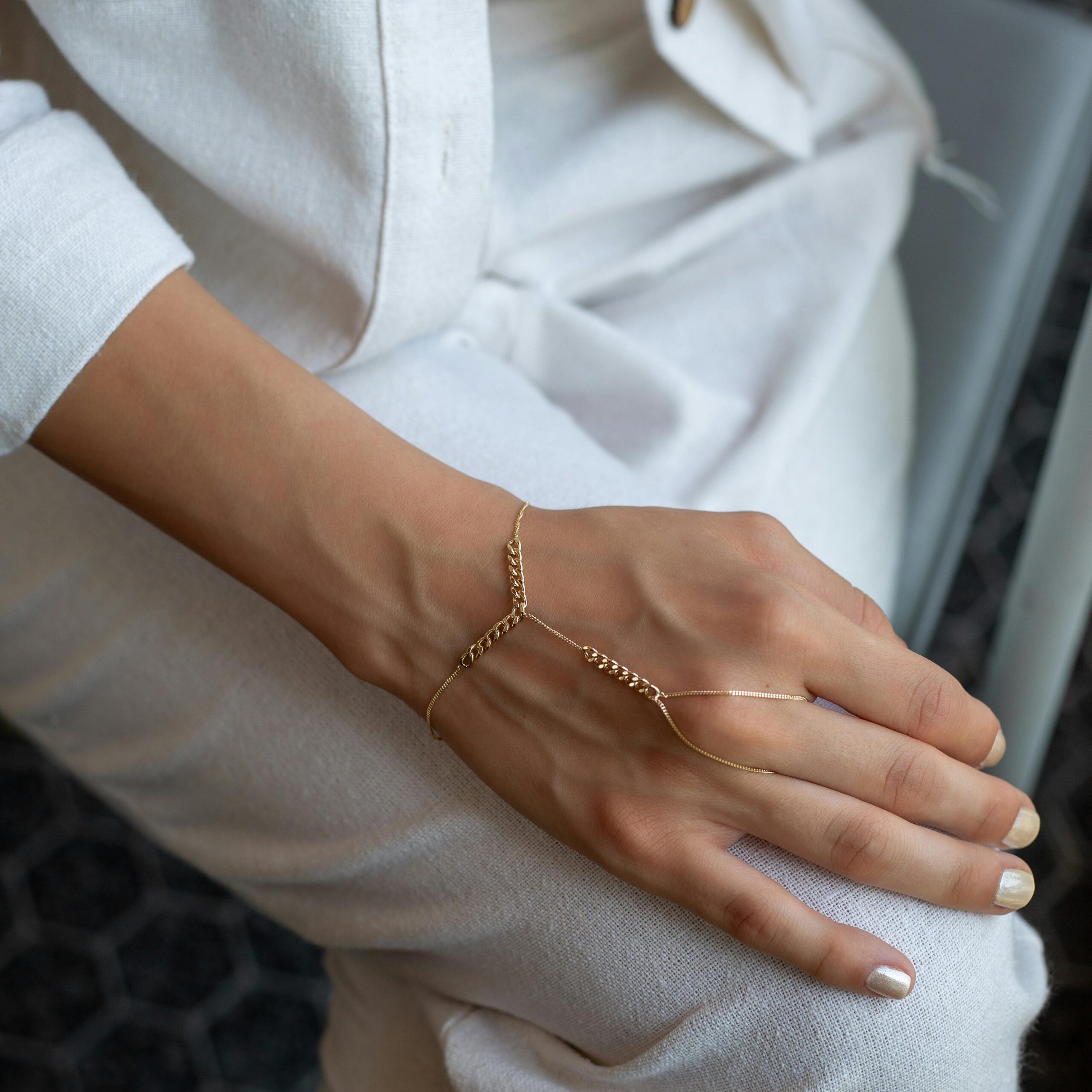
There is a reason gold hasn’t gone out of fashion in over five thousand years. It’s always been our way of marking what matters, from ancient beliefs to modern romances. But what we find most interesting is how personalisation changes the “weight” of the gold.
When a necklace is engraved or shaped just for you, it stops being generic luxury and starts being an emotional tie. It’s a carrier of stories. We’ve put this article together to look at that deeper symbolism: why we still trust gold with our most intimate memories and how making it personal changes everything.
Gold as a Symbol Through History
Gold’s real magic isn’t the price tag, but the fact that it’s basically immortal. It doesn’t decay, which is why ancient civilisations practically worshipped the stuff, from the Egyptian afterlife to the corridors of power in Rome. It’s always represented something bigger than just a bit of metal, whether that’s prosperity or a bit of good fortune.
Gold jewellery ends up being a physical connection to the people who came before us. It’s a link between the past and the future that you can actually hold in your hand. That’s why we still have this gut feeling that gold belongs to the things that truly matter. It’s the one material that doesn’t know how to quit.
Why Personalisation Changes the Meaning
We’ve always felt that personalisation is what makes a piece of gold feel “weighted.” A plain necklace is a great foundation, but adding a date or a name turns it into a proper heirloom. It moves it away from the “fast fashion” cycle and into something much more intentional.
Unlike the stuff you find on the high street, it’s not for everyone. It’s for you. Even if nobody else catches the meaning behind the symbol, you feel it every time you put it on. It’s that hidden context that makes it irreplaceable.
Names and Initials as Identity
There’s a real sense of belonging that comes with a nameplate or an initial pendant. If you’re wearing your own, it’s a bit like an anchor. It represents your personal history and the pride you take in yourself. It’s almost a reclamation of your identity after a long time.
But it’s equally moving when the initials belong to someone else. It turns the gold into a symbol of attachment. It’s that private “I’ve got you” between partners or the fierce love of a parent. These pieces aren’t just decorative; they’re quiet, golden echoes of the people we’d do anything for, kept as a bit of a permanent companion.
Dates and Numbers as Markers of Time
There is a massive amount of sentiment tucked into a few engraved numbers. A date is basically a time capsule; it captures a moment of transformation or joy and holds it there in the gold. We all know how memories can play tricks on us as we get older, but an engraving doesn’t change. It’s that permanence that makes it so grounding.
Beyond the calendar, numbers often represent a bit of a personal code. Be it a milestone or something more spiritual. A gold bracelet with a simple number can be a very powerful yet quiet way to represent where you’ve been and what you still believe in.
Symbols and Motifs as Visual Language
Not all personalisation relies on text. You can opt for symbols instead. They communicate in a way that’s a bit more “if you know, you know.” Take an evil eye for protection or a crescent moon for a fresh start; they carry so much weight, but you’re the one who decides the context. For instance, a star could be a reminder of a specific goal or just a bit of hope during a rough patch.
Since they’re so versatile, they let you keep the meaning to yourself. It’s a bit of gold that’s full of life and story for you, but stays perfectly refined and quiet to everyone else unless you want to share the story.
The Role of Material and Tone
Gold might be universal, but the tone you pick can subtly nudge the meaning of a piece one way or the other. Yellow gold is properly classic: very warm and very “forever.” White gold is the modern alternative; it’s much more about clarity and that quiet, refined look. Rose gold jewellery, though, is the sentimental favourite. It’s got a softness and a romantic feel that makes it feel like it has a bit of a pulse.
You don’t have to overthink it, but the metal you land on usually reflects the “spirit” of the jewellery. It’s just another way of making the piece feel like it belongs to you.
Memory, Legacy, and Inheritance
There is something quite moving about inheriting a piece of gold that actually has a name or a date on it. It transforms the item into a proper legacy. Because gold stays exactly as it is, recycled gold can become a physical link between you and the person who wore it fifty years ago. You’re inheriting a story, not just a bit of gold.
Over time, the piece just accumulates all these layers of meaning. It’s that sense of connection that makes personalised gold so much more significant than a passing trend. It’s about being part of something larger than yourself.
Personalised Jewellery as Quiet Communication
The thing about a personalised gold piece is that it isn’t a public statement. It’s more of a quiet, ongoing conversation with yourself. It doesn’t demand attention, and it certainly doesn’t need an audience. You can wear a piece that marks a huge life change, yet to the rest of the world, it’s just a nice bit of gold.
That bit of “private knowledge” is what gives the gold its weight. Everything is so visible and “shared” now, isn’t it? So choosing to keep the symbolism of your jewellery to yourself feels like a bit of a win. It puts the focus back on why you bought it in the first place.
Conclusion
There is a world of difference between a generic accessory and something that’s been made just for you. Gold provides the value and that “unbreakable” quality, but the engraving is what makes it yours. Together, they create these objects that just sort of hold onto time for you.
These pieces end up acting as little anchors for who we are. You’re not putting on a necklace like that for the sake of an audience; you’re doing it to carry a bit of your own narrative forward.