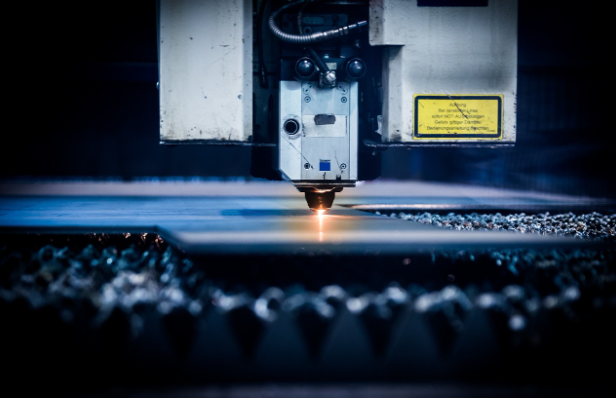
Laser engraving has become an essential technology for artists, manufacturers, and hobbyists who want to add precision, detail, and personalization to their creations. Whether it’s marking serial numbers on industrial parts or crafting intricate designs on jewelry, the process relies on one key element: the laser. This focused beam of light is responsible for transforming a simple concept into a permanent, high-quality engraving.
In this article, we’ll break down the role of the laser in a laser engraver, explain how it works, explore the different types available, and share tips on choosing the right one for your needs.
- Understanding the Basics of Laser Engraving
At its core, laser engraving is the process of using a concentrated beam of light to physically alter the surface of a material. A laser engraver works when the laser creates an intense heat that vaporizes or burns away small amounts of the material so that a permanent mark can be made.
A number of benefits are associated with this process relative to conventional methods of engraving:
- Precision: Lasers can achieve extremely fine details.
- Speed: High-powered lasers work quickly and efficiently.
- Versatility: They can engrave on materials ranging from wood and acrylic to metals and glass.
- How the Laser in a Laser Engraver Works
The laser beam is the heart of the engraving process. Here’s how it works step-by-step:
- Laser Generation: The machine produces a beam of light in a laser tube or diode module.
- Focusing the Beam: The beam is directed through lenses to concentrate the energy onto a tiny point.
- Material Interaction: The focused beam heats the surface, causing material removal, discoloration, or melting.
- Controlled Movement: Mirrors or gantry systems move the beam across the material according to the design.
The precision of this process depends on the type of laser, the focal distance, and the power settings.
- Types of Lasers Used in Engraving Machines
Different projects require different types of lasers. The most common in modern engravers include:
- Diode Lasers: Compact, energy-efficient, and ideal for small to medium projects.
- CO₂ Lasers: Suitable for non-metallic products like wood, acrylic, leather and glass.
- Fiber Lasers: Powerful and perfect for engraving metals with incredible detail.
- Factors That Affect Laser Engraving Quality
The laser itself is critical, however, many aspects affect the end result of your engraving:
- Laser Power (Wattage): Higher power can engrave faster and cut thicker materials, but may cause burning if not adjusted properly.
- Speed Settings: Faster speeds reduce depth, while slower speeds create deeper engravings.
- Focus: An accurately focused laser produces cleaner, sharper details.
- Material Type: Different materials react differently to laser heat.
- Cooling System: Proper cooling prevents overheating and extends machine life.
- Creality Falcon: High-Performance Laser Engravers
When it comes to combining advanced laser technology with user-friendly design, the Creality Falcon series stands out. Known for their reliability, precision, and innovative features, these machines cater to both beginners and professionals.
Key Models in the Falcon Lineup
- Falcon CR: A dependable choice for consistent, detailed engraving.
- Falcon2: Offers cutting-edge diode laser technology for top-tier results on multiple materials.
- Falcon A1: A compact, versatile model perfect for small workshops or home use.
- Falcon 2 Pro: The flagship powerhouse with upgraded optics, improved cooling, and faster engraving speeds.
These machines are designed to give creators maximum control while maintaining high engraving quality, making them a smart investment for serious engraving work.
- Safety and Maintenance of a Laser Engraver Laser
A laser engraver is a powerful tool, so safety is crucial:
- Always wear laser safety glasses suitable for your laser type.
- Work in a well-ventilated place so as not to get more fumes.
- Keep flammable materials away from the work area.
Maintenance tips to ensure longevity include:
- Regularly clean lenses and mirrors to prevent dust build-up.
- Check alignment periodically.
- Don’t run the motor at its max for extended periods.
- Future Trends in Laser Engraving Technology
The technology behind laser engraver lasers is constantly evolving. Emerging trends include:
- Higher-Power Diode Modules: Offering more cutting and engraving capability.
- AI-Driven Engraving Software: For improved image processing and automation.
- Portable Engravers: Compact designs for creators on the go.
With innovation accelerating, machines like the Creality Falcon 2 Pro are leading the way in integrating advanced features for better speed, precision, and ease of use.
Conclusion
The laser in a laser engraver is the driving force behind its precision, speed, and ability to create lasting designs on countless materials. By understanding how it works, what affects its performance, and which machine best suits your needs, you can take your engraving projects to the next level.
The Creality Falcon series, from the compact Falcon A1 to the high-performance Falcon 2 Pro, offers a range of options for every skill level and project size. Whether you’re a hobbyist or a professional, investing in a quality laser engraver will open up endless creative possibilities.
FAQs
- What does the laser actually do in engraving?
It uses heat to concentrate on a substance and vaporize or fuse small portions in order to create a detailed design. - Can one laser engraver work on both metal and wood?
Yes, depending on the laser type. Diode and CO₂ lasers excel on wood, while fiber lasers are best for metals. - How long do laser engraver lasers last?
Typically, a well-maintained laser module can last thousands of hours before needing replacement. - Do I need technical skills to use a laser engraver?
Modern machines like the Falcon series are beginner-friendly, but basic training is recommended. - Is laser engraving safe?
Yes, if operated with proper safety gear, ventilation, and following manufacturer guidelines.