Coffee has always been a daily habit, but lately it has turned into something more personal. What used to be a rushed stop on the way to work has become a small act of self direction, a way people claim a few minutes for themselves before the day starts making demands. The shift is not about caffeine alone. It is about control, quality, and the quiet satisfaction of doing something well, even if no one else sees it. This change is reshaping kitchens, offices, and expectations around what a good cup actually means.
From Convenience to Choice in the Morning Routine
The old default was whatever was fastest. Pod machines, drive through lines, and office drip pots all served their purpose when time felt scarce and mornings were about survival. That mindset has softened. People still want efficiency, but they also want agency. Choosing between espresso or cold brew is not about status or trend chasing. It is about matching the drink to the mood, the weather, or the pace of the morning ahead. One feels grounding and ritualistic, the other feels refreshing and flexible, and that choice matters more than it used to.
This is not a rejection of convenience. It is a recalibration. People are willing to spend a little more time if the result feels intentional. A few extra minutes pulling a shot or prepping a jar in the fridge feels less like work and more like care, the same way cooking dinner at home can feel restorative rather than burdensome when the mindset shifts.
Home Brewing as a Marker of Modern Luxury
Luxury used to mean excess. Now it leans toward quality and restraint. A well made cup at home has become a subtle signal of that shift. It is not flashy. It does not announce itself. It simply delivers a better experience day after day. The appeal is not just flavor, though that matters. It is consistency, reliability, and the comfort of knowing exactly what you are getting every time you pour a cup.
This is why home brewing has moved from niche hobby to mainstream aspiration. People want tools that work, ingredients that taste clean, and routines that feel sustainable. The coffee corner has become a small but meaningful part of the home, like good lighting or a comfortable chair. It supports daily life rather than decorating it.
The Rise of Taste Literacy Without the Snobbery
There is a noticeable shift in how people talk about coffee. The language has become more accessible. Instead of rigid rules or insider jargon, conversations focus on preference and enjoyment. Someone might notice that a roast tastes brighter or smoother without feeling the need to explain it in technical terms. That ease has lowered the barrier to entry and made experimentation feel welcoming rather than intimidating.
This openness has helped people trust their own taste. They are less concerned with doing it right and more interested in doing it their way. That confidence shows up in buying decisions, from beans to equipment, and it reflects a broader cultural move toward informed but relaxed consumption.
Why Equipment Choices Matter More Than Ever
As expectations rise, the tools people use start to matter more. This is where the conversation gets practical. Good beans can only do so much if the equipment is inconsistent or poorly designed. There is a growing understanding that high quality espresso machines are a must for anyone who wants reliable results without frustration. This is not about chasing perfection. It is about removing obstacles so the process stays enjoyable.
Well built machines offer stability. They heat evenly, maintain pressure, and respond predictably. That reliability turns brewing into a habit rather than a hassle. When the process works, people stick with it. When it does not, even the best intentions fade quickly. Investing in solid equipment is less about indulgence and more about setting yourself up for success.
Coffee as a Daily Anchor in a Noisy World
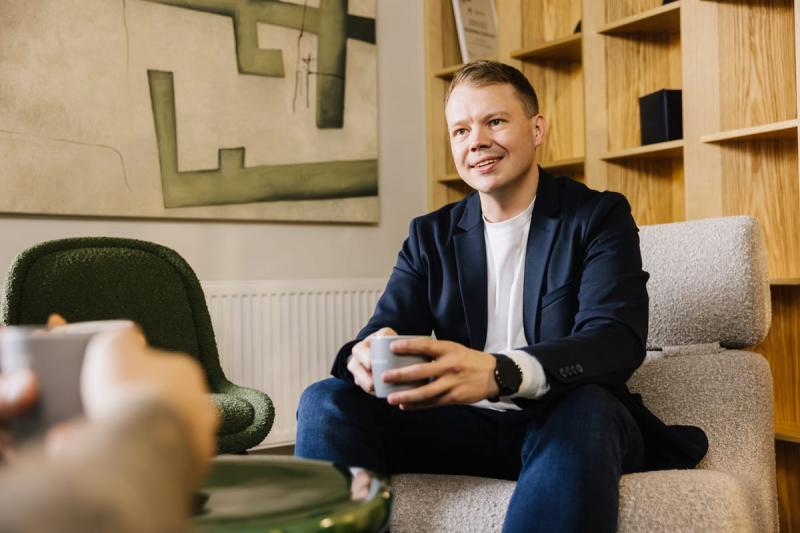
There is something grounding about returning to the same small ritual every morning. In a world that feels loud and reactive, coffee offers a pause that belongs entirely to the person holding the mug. It is a moment of focus before notifications, meetings, and responsibilities crowd in. That emotional role is easy to underestimate, but it is part of why people care more about the experience now.
This sense of anchoring extends beyond the home. Offices that prioritize good coffee often see it as part of workplace culture rather than a perk. It becomes a shared point of comfort, a signal that quality matters even in the background details.
Where the Coffee Shift Is Heading Next
The future of coffee is unlikely to swing back toward pure speed. Convenience will always matter, but it will continue to coexist with intention rather than replace it. Expect more emphasis on durability, transparency, and personalization. People want products that last, processes they understand, and options that fit their lives without asking them to become someone else.
This evolution feels stable rather than fleeting. Coffee has settled into its role as both fuel and ritual, practical and personal at the same time. That balance is what gives it staying power.
A Better Cup, On Your Own Terms
The most interesting part of the modern coffee story is not the gear or the trends. It is the permission people are giving themselves to care about small things without apology. A better cup is not about impressing anyone. It is about starting the day with something that feels considered and satisfying. When a daily habit reaches that level, it stops being routine and starts being meaningful, one quiet morning at a time.