 When you hear the term Mohs Surgery, your mind might jump straight to “medical procedure,” but for many, it’s also the first step toward reclaiming skin health and confidence. This precise skin cancer treatment isn’t just about removing harmful cells—it’s about preserving as much healthy skin as possible, leaving you with minimal scarring and a path toward looking and feeling your best again. Recovery is where the magic happens, and with the right approach, you can transition from scar to snatched in no time.
Whether you’re prepping for the procedure or already in recovery mode, understanding what to expect can help you heal faster, protect your results, and embrace your skin’s future with confidence.
A Quick Recap: What Mohs Surgery Is All About
For those new to the concept, Mohs Surgery is a highly specialized technique used to treat certain types of skin cancer, including basal cell carcinoma and squamous cell carcinoma. It involves removing cancerous tissue layer by layer, examining each under a microscope until no abnormal cells remain.
The beauty of this method? Precision. It ensures minimal damage to healthy skin, making it especially ideal for areas where appearance matters—like the face, neck, and hands. That’s why so many patients choose it: it’s about health and aesthetics.
The First 24 Hours: TLC Is Your New Best Friend
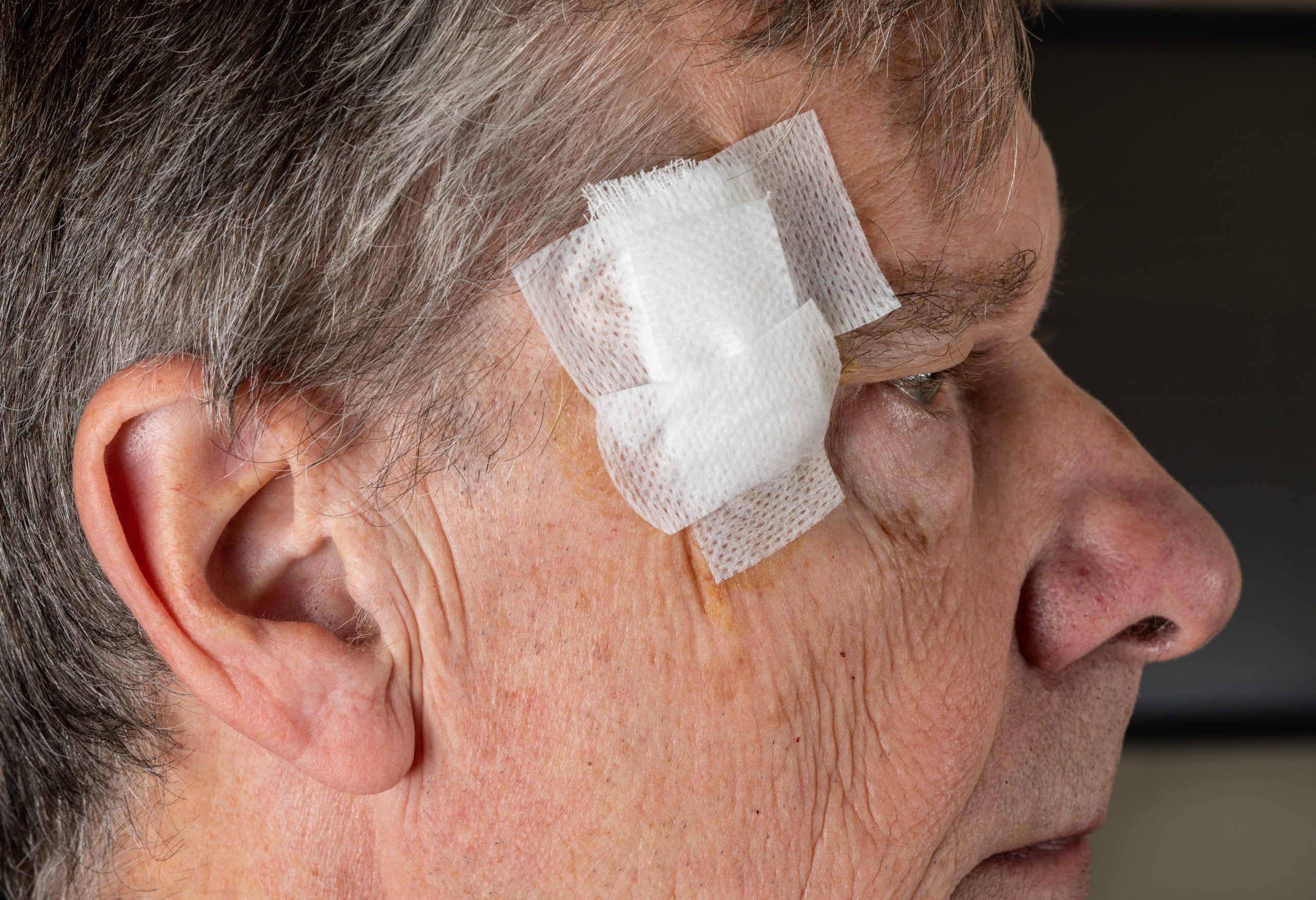
Immediately after surgery, your skin will need some serious TLC. Expect a bandage over the surgical site and detailed instructions from your doctor about how to care for it.
Key things to keep in mind:
-
Rest up. Your body needs energy to heal, so skip intense workouts for a day or two.
-
Keep the area clean. Gentle cleansing with mild soap and water is usually recommended, but always follow your surgeon’s directions.
-
Don’t skip the ointment. Petroleum jelly or prescribed antibiotic creams can keep the wound moist, which helps with healing and reduces scarring.
Pain is typically mild and manageable with over-the-counter pain relievers. Most patients are surprised at how little discomfort they feel.
Week One: Healing, Not Hiding
During the first week, swelling and bruising might make you feel like hiding under oversized sunglasses or a wide-brimmed hat. But remember—this phase is temporary, and every day brings you closer to your goal.
Pro tip: This is a great time to binge your favorite series, sip skin-loving green smoothies, and give your body the nutrients it needs for repair. Vitamin C-rich foods, hydration, and adequate protein all support collagen production for better healing.
You’ll likely have a follow-up appointment to check the site and change or remove stitches. Don’t skip it—this is your chance to make sure everything’s healing as expected.
Week Two to Four: Watching the Transformation
As the weeks pass, the scar tissue will begin to remodel. Initially, the area may look pink or slightly raised, but this will fade with time. Massaging the scar gently with a dermatologist-approved cream can improve texture and flexibility.
If you’re a makeup lover, you may be able to start applying gentle, non-irritating products to camouflage any redness—just make sure the wound is fully closed before doing so. Mineral makeup is often a good choice, as it’s less likely to cause irritation.
Long-Term Recovery: From Scar to Snatched
The full healing process can take several months, but with patience and proper care, the results can be barely noticeable. Here’s how to speed up and improve your skin’s final look:
-
Sun protection is non-negotiable. UV rays can darken scars, making them more visible. Broad-spectrum SPF 30+ should be your daily companion, rain or shine.
-
Stay consistent with scar care. Silicone gel sheets, scar creams, and gentle massage can make a huge difference in the final appearance.
-
Consider professional treatments. Once fully healed, options like laser therapy, microneedling, or chemical peels can further refine the scar’s look.
The goal isn’t just to erase the scar—it’s to have skin that makes you feel confident and radiant again.
Confidence Beyond the Scar
Mohs Surgery isn’t just about removing cancer—it’s about restoring your skin’s health and your self-esteem. For many, the experience brings a newfound appreciation for skin care and sun safety. It also reminds us that health and beauty go hand in hand.
Embracing recovery as part of your self-care journey turns the process into something empowering. From wearing stylish hats that double as UV protection to experimenting with bold makeup looks once you’re healed, you can make recovery part of your personal style story.
When to Call Your Doctor
While most recoveries are smooth, it’s important to keep an eye out for signs that need medical attention:
-
Excessive swelling, redness, or pain
-
Yellow or green drainage from the wound
-
Fever or chills
-
Bleeding that doesn’t stop with light pressure
Your doctor is your partner in recovery—don’t hesitate to reach out if something feels off.
Final Glow-Up Thoughts
From the first bandage to the final fade of a scar, Mohs Surgery recovery is a journey worth taking. With the right care, patience, and a touch of personal style, you can move from post-procedure uncertainty to a confident, radiant you.
Remember, your skin tells your story—and this chapter is one of strength, health, and transformation. Whether you’re sipping lattes in oversized sunnies during week one or showing off flawless, SPF-protected skin months later, the process is part of your evolution.
So here’s to healing well, protecting your skin, and embracing the snatched, confident version of yourself that emerges on the other side.