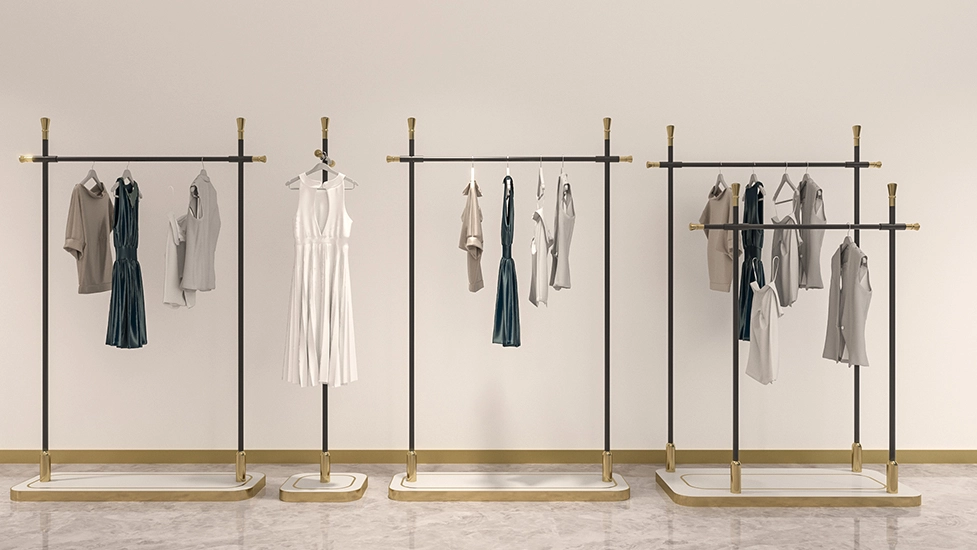
In physical retail, attention is the most valuable currency. Shoppers move quickly, environments are crowded and competition sits just a few feet away. A retail display has only a brief window to attract interest, communicate value and encourage action. Designing displays that convert browsers into buyers requires more than good aesthetics, it requires a clear understanding of behaviour, context and decision making.
Successful retail displays are intentional. Every visual choice, material and message plays a role in guiding the customer from casual interest to confident purchase.
The First Few Seconds Matter Most
Most shoppers decide whether to engage with a display within seconds. At a distance, the display must stand out from its surroundings without feeling aggressive or confusing. Strong visual hierarchy is essential.
Colour contrast, scale and clear focal points help the eye land in the right place. The product or brand message should be instantly recognisable, even in peripheral vision. If a display blends into the background or requires effort to understand, it will be ignored.
Effective displays communicate one clear idea first. Secondary details come later, once attention has been captured.
Clarity Beats Complexity
Retail environments are noisy. POS displays that try to say too much often say nothing at all. Clear, concise communication converts better than dense information.
The customer should quickly understand what the product is, who it is for and why it matters. This can be achieved through simple messaging, intuitive layout and supportive imagery. Overloading a display with text, features or variations creates friction at the moment when ease is essential.
If a product requires explanation, the display should guide the customer step by step rather than presenting everything at once.
Design For Real World Context
A display does not exist in isolation. It sits within a specific retail environment with its own lighting, traffic flow and spatial constraints. Designing without considering this context reduces effectiveness.
Height, footprint and orientation all influence visibility and accessibility. Displays positioned at eye level or along natural walking paths are more likely to be engaged with. Products that can be touched or interacted with often perform better because they reduce psychological distance between interest and ownership.
Materials and finishes should also suit the environment. What works in a premium department store may not work in a high volume retail setting.
Make The Product Easy To Understand
Conversion increases when customers feel confident. Retail displays should remove uncertainty rather than introduce it.
Clear pricing, visible product features and simple usage cues help customers make faster decisions. If a product solves a problem, the display should show that solution in action. If quality or durability is a selling point, materials and construction should reinforce that message visually.
When customers understand a product without needing assistance, they are more likely to buy.
Use Design To Guide Behaviour
Good retail design subtly directs behaviour. Layout, spacing and visual cues can encourage customers to approach, pause and interact.
Open designs invite engagement, while cluttered or enclosed displays can feel intimidating. Directional elements such as angled surfaces, lighting or graphics can guide the eye toward key products or calls to action.
Even small details such as shelf height or product grouping influence how long customers spend with a display and how likely they are to purchase.
Consistency Builds Trust
Trust plays a major role in conversion. Displays that feel aligned with the brand’s wider identity appear more credible and professional.
Consistent use of colour, typography and tone helps customers recognise the brand and feel reassured. If the in store experience feels disconnected from packaging, online presence or advertising, confidence can be undermined.
Consistency also helps returning customers locate products quickly, reducing friction and increasing repeat purchases.
Test And Refine Before Rollout
Designing effective retail displays is as much about testing as it is about creativity. Three dimensional visualisation and prototyping allow teams to evaluate scale, messaging and layout before committing to manufacture.
By visualising displays in context, brands can identify potential issues early, adjust design elements and improve conversion potential without costly rework. This approach leads to smarter decisions and more consistent performance across multiple locations.
Turning Attention Into Action
Retail displays convert when they respect the customer’s time and decision making process. Clear messaging, strong visual hierarchy and thoughtful design reduce effort and build confidence.
When a display makes it easy for a shopper to understand, trust and desire a product, the step from browsing to buying becomes natural rather than forced. In an environment where attention is limited, the most effective retail displays are those designed with intent, clarity and real world behaviour in mind.