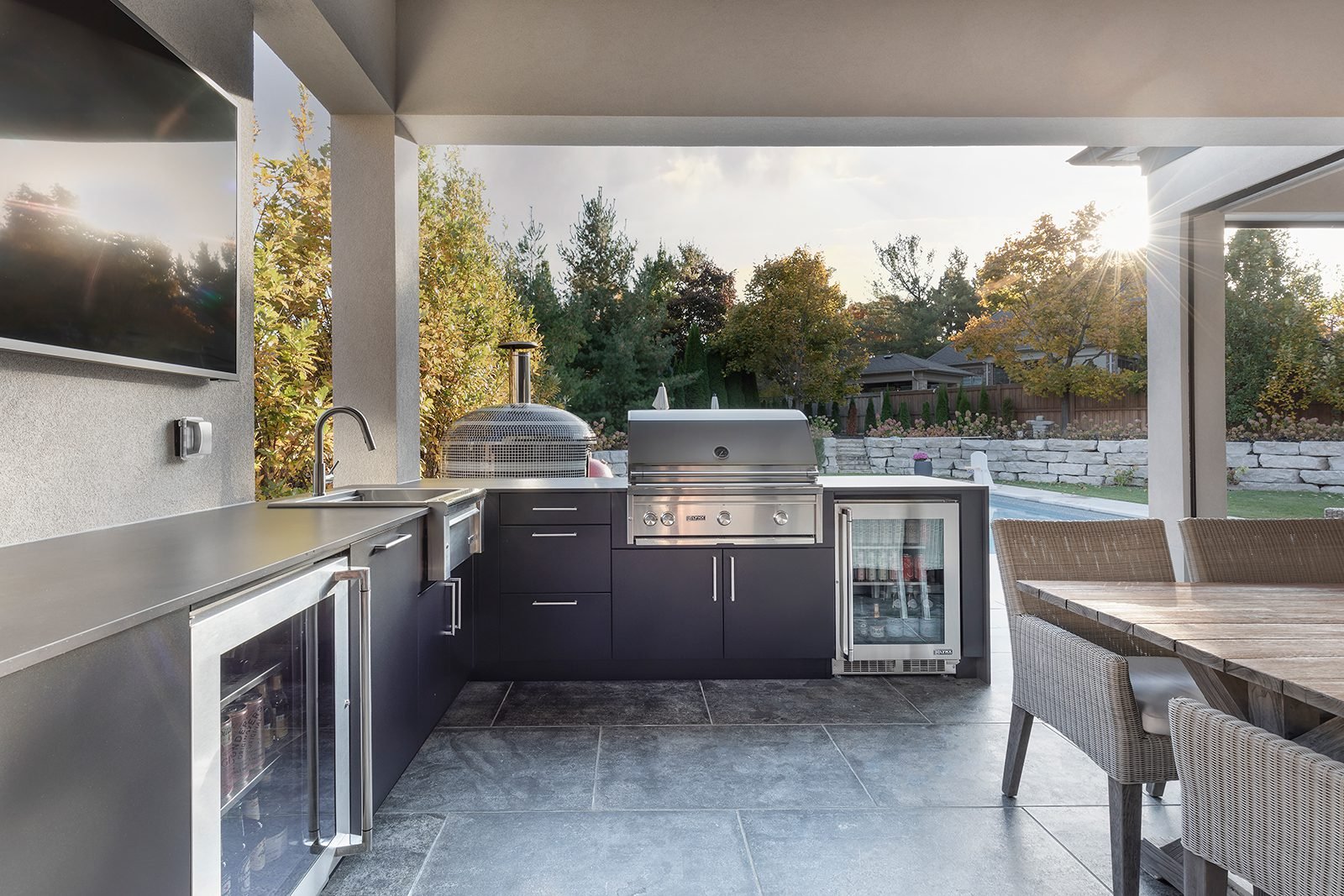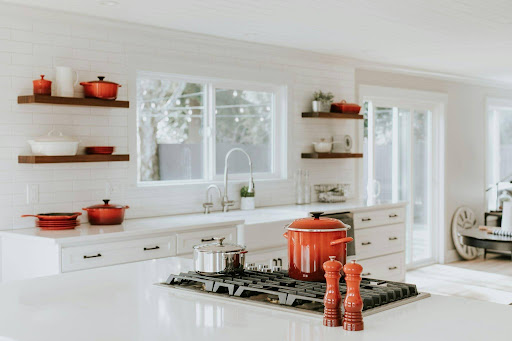
Designing your dream kitchen is one of the most exciting home projects you can undertake. It is truly the heart of the home. A beautifully planned kitchen should not only look impressive, but also function seamlessly and add lasting value to your property. In fact, kitchen renovations consistently remain one of the most desirable upgrades for homeowners, often delivering a strong return on investment if you eventually decide to sell. No matter if you are planning a complete remodel or refreshing an outdated space, creating your dream kitchen starts with thoughtful decisions and practical planning.
Start With How You Live
The first step on your way to your dream kitchen is thinking carefully about how you use the room every day. Some households need a space built for family life, with durable finishes and generous seating. Others may need a chef-inspired layout with high-performance appliances and extensive preparation areas. If you entertain often, an open-plan design with sociable seating could be the priority.
Make a clear list of essentials, desirable extras, and non-negotiables before the project begins. This keeps decisions focused and helps prevent unnecessary spending as the project progresses.
Prioritise the Layout
A successful kitchen always begins with a smart layout: at the end of the day, the space should be highly functional. Even the most luxurious finishes cannot compensate for a room that is awkward or inefficient. Designers often refer to the kitchen work triangle, which places the sink, cooker, and fridge within easy reach of one another. While modern kitchens have evolved beyond this traditional rule, ease of movement still matters.
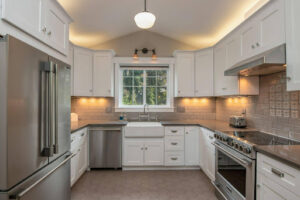
Galley kitchens are ideal for compact homes, while L-shaped layouts suit open-plan living. U-shaped kitchens maximise storage and surface area, and island kitchens continue to be one of the most sought-after options thanks to their versatility. An island can provide extra workspace, casual dining, hidden storage, and a natural social hub.
Invest in Quality Cabinetry
Cabinetry often represents the largest share of a kitchen budget, frequently accounting for around 30 to 40 percent of total renovation costs. Because of this, quality should be a priority.
Look for solid construction, durable finishes, and soft-close mechanisms that improve the everyday experience. Internal storage features such as pull-out shelves, deep drawers, and corner organisers can dramatically improve practicality.
In terms of style, shaker cabinets remain a timeless favourite because they suit both classic and contemporary interiors. Flat-front cabinetry, meanwhile, offers a cleaner and more minimalist look.
Layer Your Lighting
Lighting has a huge impact on how a kitchen looks and feels, yet it is often overlooked during the planning stage. The most effective kitchens combine several layers of light.
Ambient lighting provides overall brightness, task lighting supports food preparation and cooking, while accent lighting draws attention to shelving, islands, or architectural details. Pendant lights above an island remain especially popular, and dimmer switches allow the room to transition easily from practical workspace to relaxed evening setting.
Make Storage a Priority
A clutter-free kitchen feels larger, calmer, and easier to use. Excellent storage can transform even a modestly sized room.
Full-height pantry cupboards create valuable space for dry goods and appliances. Deep drawers are often more practical than lower cabinets because contents are easier to access. Hidden bins, recycling systems, and appliance garages help maintain clean surfaces, while vertical dividers keep trays and boards organised.
Many homeowners find that thoughtful storage improves day-to-day life more than decorative upgrades ever could.
Add Character With Finishes
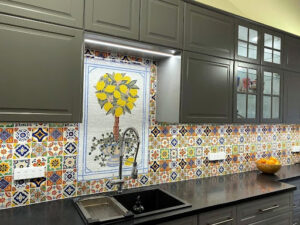
Once the practical elements are in place, finishes bring personality and warmth. Tiles are one of the easiest ways to add colour, pattern, or texture without overwhelming the room.
Natural stone remains highly desirable, particularly marble mosaics, which can add a refined and luxurious feel to splashbacks, alcoves, or statement walls. To keep the design balanced, pair bold details with simpler surrounding surfaces.
Choose the Right Worktops
Worktops need to be both stylish and resiient. Quartz remains one of the most popular choices because it is low maintenance, non-porous, and highly durable. Granite is valued for its natural beauty and heat resistance. Wood introduces warmth and character, while porcelain is increasingly admired for its toughness and slim modern profile. Marble continues to be associated with luxury, although it requires more maintenance than engineered alternatives. If you want to introduce visual interest, consider pairing understated counters with a feature wall or a mosaic backsplash for added texture and personality.
Select Appliances Carefully
Modern appliances should reflect how you live rather than simply filling the room with the latest technology. Energy-efficient models can reduce household running costs while supporting a more sustainable lifestyle.
Induction hobs are increasingly popular because they heat quickly and efficiently. Integrated refrigeration helps create a seamless look, while combination ovens can save space without compromising performance. Focus on appliances you will genuinely use rather than those that simply sound impressive.
Set a Realistic Budget
Kitchen renovation costs vary considerably depending on room size, materials, and whether structural changes are required. A sensible budget should account for cabinetry, worktops, appliances, flooring, lighting, plumbing, electrical work, and installation.
It is also wise to set aside an additional 10 to 15 percent as a contingency fund, as unexpected costs are common, particularly in older homes.
Think Long Term
Trends can be tempting, but a dream kitchen should still feel stylish years from now. The most successful designs use timeless foundations such as quality cabinetry, neutral tones, and durable materials, then introduce personality through paint colours, bar stools, lighting, and accessories that can be updated more easily.