Every illustrator wants to know the secret to getting a dream commission. You might think it comes down to personal style or a massive social media following. While those things help get you noticed, they aren’t the reasons an art director (AD) hires you a second or third time.
Art directors are under immense pressure. They have tight budgets, shrinking timelines, and their own bosses to answer to. When they hire for freelance illustrator jobs, they are looking for a professional partner who can make their life easier.
If you want to stay booked, you need to understand the business side of the creative process.
Reliability is More Important Than Talent
It sounds harsh, but a regular artist who is reliable is more valuable to an AD than a genius who misses deadlines. In the professional world, the deadline is the only thing that is non-negotiable. If you deliver your work late, you put the entire project at risk.
The AD has to explain that delay to the creative director, the client, or the printer. You make them look bad, and that is a fast way to ensure you never get called again.
Professionalism also means being easy to reach. You don’t need to be glued to your email 24/7, but replying within a few hours or a business day is standard. If you are going to be away from your desk, set an out-of-office reply.
A Portfolio Built for Speed
Art directors are busy people. They might look at dozens of portfolios in a single morning. If your website is hard to navigate or takes too long to load, they will close the tab.
Avoid tiny thumbnails that require a click to see clearly. Most ADs prefer to see your work large and in high quality as they scroll down the page. Put your best work at the very top. You usually have about three or four images to convince them that you have the right style and skill level for the job. If your best work is buried on page three, they will never see it.
Art directors also appreciate seeing how your work fits into a bigger picture. If you also happen to take on freelance graphic design jobs, you already know that seeing a layout in action helps a client say yes faster. If you do editorial work, show how your art looks on a magazine cover. If you do packaging, show a mockup of a box. This helps the director visualize the final product.
The Power of the Sketch Phase
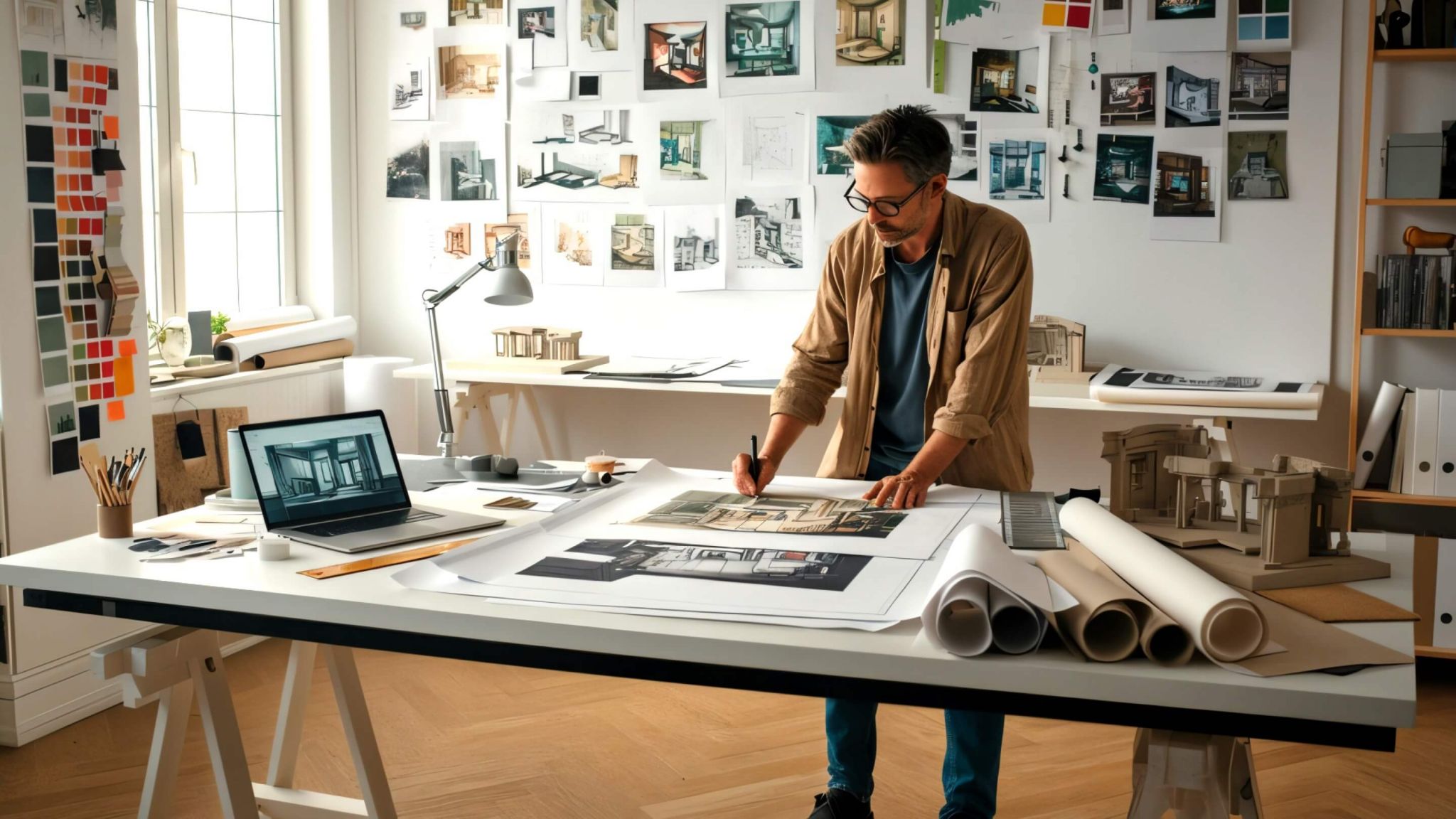
The sketch phase is where the real work happens. This is your chance to show the AD that you understand the brief. Most directors expect to see at least three different rough sketches. These shouldn’t just be scribbles that only you can understand. They need to be tight enough to show the composition, the concept, and the main characters or objects.
The biggest mistake you can make is changing the composition drastically after a sketch has been approved. If you suddenly decide to move the main subject or change the perspective in the final phase, you are creating a problem.
If you have a better idea halfway through, email the AD first. Never surprise them with a final piece that looks nothing like the sketch they agreed to.
Becoming a Creative Partner
You are providing a service that solves a problem. Maybe the problem is explaining a complex medical concept or making a boring financial article look exciting.
When you get a brief, don’t just follow the instructions literally. Think about how you can take the concept further. If the AD suggests a woman sitting at a desk, think about the lighting, the symbols in the background, or an interesting perspective that makes the image more engaging. Improve the idea rather than just doing the bare minimum.
Flexibility is also key. While you likely have a signature style, every project is a little different. You should be able to adapt your colors or your level of detail to fit the specific needs of the brand. Being married to one way of doing things can make you difficult to work with.
Technical Competence and Clean Files
The final 10% of a project is often the most important for the AD’s workflow. This is the technical side. You must read the entire creative brief. It sounds simple, but many illustrators miss details like file dimensions, color profiles (CMYK vs. RGB), or safe zones for text.
When you deliver the final files, make sure they are clean. If the AD requested a layered PSD file, make sure your layers are named and organized. If they have to spend an hour cleaning up your file so they can move a character two inches to the left, they will be frustrated.
Top Pet Peeves to Avoid
To wrap things up, here are the things that will get you blacklisted faster than anything else:
- Ghosting: Going silent for days during an active project.
- Missing Deadlines: Even once can ruin a professional relationship.
- Unprofessionalism: Being defensive, rude, or arrogant when receiving feedback.
- Sloppy Sketches: Sending work that looks like you spent five minutes on it.
- Ignoring the Brief: Adding elements the client specifically asked you to avoid.
Art directors want to work with people who are talented, yes, but they mostly want to work with people they can rely on. If you can be the person who delivers great work on time and handles feedback with a smile, you will never run out of work.