The global shift toward carbon neutrality has placed pressure on the logistics sector. Traditional fuel trucks are increasingly burdened by rising diesel costs and strict emission mandates. Consequently, truck electrification has accelerated, with fleets in 2026 adopting heavy-duty EVs at record rates.
However, moving from fuel to electrons requires more than just buying new vehicles. Is your operation ready for electric truck charging?
This guide analyzes challenges, charging solutions, considerations, and how to optimize for CPOs and fleet managers. Read on to learn more.

Understanding Electric Truck Charging Basics
The shift to electric truck charging is different from passenger vehicle charging due to the massive battery capacities involved. While a standard electric car might have a 60-100 kWh battery, an electric truck often requires 200-700 kWh of energy. This scale introduces constraints regarding charging time and power supply.
To keep a fleet operational, high-power DC fast charging is the standard. The relationship between power, battery capacity, and time is crucial for fleet scheduling:
Time = Capacity / (Power × Efficiency)
Here, efficiency represents the efficiency of the charging system (typically around 95% for high-end systems). For a 600 kWh battery, using a 150 kW electric truck charging station would take over 4 hours to reach 100%. It fits overnight charging but fails for long-haul truck needs.
Thus, the industry is seeing the rise of up to 720 kW EV charging systems. This allows a massive battery to be replenished during a driver’s 45-minute break, effectively solving the “range anxiety” that previously hindered truck electrification.
What Are the Electric Truck Charging Solutions?
Different operational modes require tailored charging solutions. Most fleets utilize a “mix and match” approach across three core scenarios:
1. Overnight Warehouse Charging
Depot charging is the common method. Trucks return to a depot or truck stop and charge during off-peak hours (usually 6-8 hours).
Power Output: Typically 50 kW to 100 kW.
Benefit: Lower investment in chargers and the ability to leverage lower nighttime electricity rates. It also minimizes strain on the battery by avoiding extreme ultra-fast charging speeds daily. Overnight warehouse charging is very suitable for heavy trucks with fixed daily routes and long stay times.
2. Destination Charging
This occurs at logistics centers, warehouses, cold-chain distribution centers, construction sites, or sanitation vehicle parking areas. Since trucks often dwell for 30 minutes to 2 hours, higher power is needed to “top up” the battery significantly.
Power Output: 150 kW to 400 kW.
Benefit: Extends the daily range beyond the initial battery capacity without requiring dedicated “charging stops.” It supports unpredictable or variable route arrangements.
3. En-route Charging
Essential for long-haul logistics and time-sensitive transportation, en-route charging is situated at highway rest stops or dedicated EV truck charging hubs.
Power Output: 500 kW to 720 kW.
Benefit: Allows for rapid energy replenishment. These stations are designed to support high-throughput, ensuring that an EV charging truck can resume its journey with minimal downtime.

Key Electric Truck Charging Station Considerations
When a Charge Point Operator (CPO) or fleet manager plans an electric truck charging point, four issues must be addressed to ensure long-term viability:
1. Grid Capacity
A fleet of 20 electric trucks can require a peak load of several megawatts. This is equivalent to the power demand of a small factory. CPOs or fleet managers must coordinate with local utilities early to determine if existing transformers can handle the load or if a substation upgrade is necessary.
2. Truck Charger Power
The power rating of truck chargers must balance battery capacity and charging time. Higher power means faster charging but also higher equipment costs, electrical demands, and potential battery stress.
If you are unsure how to proceed, you can calculate your battery requirements and charging times, or directly consult a professional truck charger supplier.
3. Space Planning in Parking Lots
Electric trucks are large and have varying charging port locations. Parking lots must be designed for efficient pull-in/pull-out access to charging posts.
Additionally, high-power truck chargers often require liquid-cooled cables, which are heavier and require cable management systems to prevent wear and tear.
4. Charging Station Costs
Look beyond the hardware price. There are ongoing operational costs that need to be considered:
- Initial Investment: Hardware, grid connection, and installation.
- Operational Costs: Electricity costs, maintenance, and software subscriptions.
A cheaper charger with high energy waste or downtime can be more expensive in the long run.
How to Improve EV Truck Charging?
After considering the power rating of the charging station equipment and the charging plan, given the time constraints of truck operations, what additional methods can be used to optimize truck charging?
-
Smart Charging & Load Management
Advanced software allows you to schedule charging during off-peak hours when electricity rates are lowest. It avoids expensive utility demand charges.
If grid capacity is limited, a load management system dynamically distributes available power among all electric truck charging stations, prioritizing which trucks charge fastest based on need.

-
Solar and Storage Integration
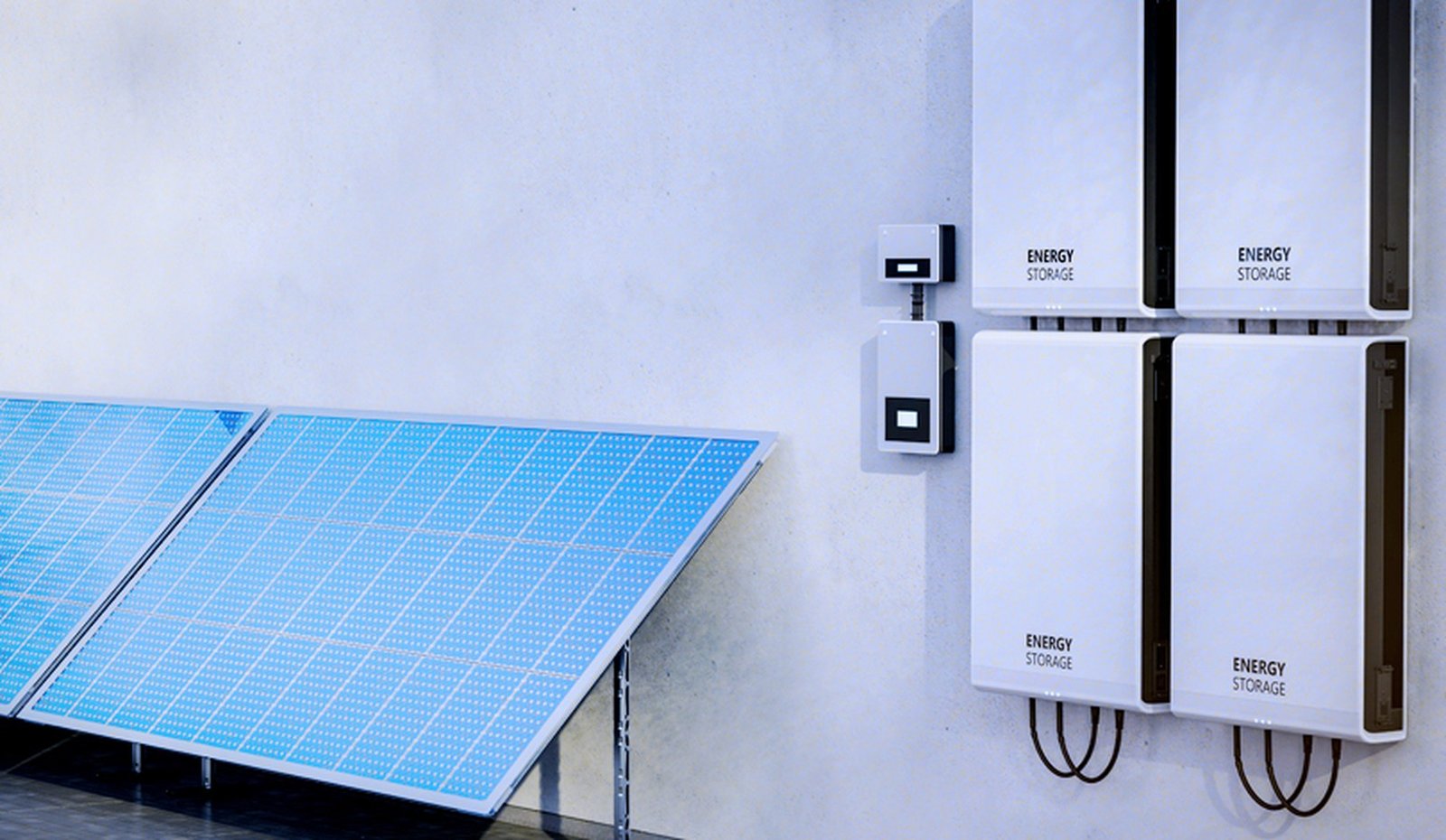
On-site solar panels can offset some charging electricity costs, especially for daytime depot charging. While it may not cover all needs, it reduces grid dependence. Additionally, energy storage systems avoid power limitations caused by grid fluctuations and reduce downtime.
-
Daily Route Planning
Integrate charging needs into logistics. Dispatch software should consider each truck’s state of charge, the location of electric truck charging stations, and scheduled loading times to create the most energy-efficient daily routes.
Preparing Efficient Electric Truck Charging Stations
The success of truck electrification depends heavily on the performance and reliability of the chargers. For CPOs and fleet managers, selecting a hardware partner like EVB Charger is a strategic decision that impacts years of uptime.
EVB specializes in high-performance EV chargers. Their 720 kW Liquid Cooling Split DC EV Chargers are designed for truck depots. By separating the rectifier cabinet from the user terminal, it allows for more flexible space planning in crowded parking lots. Other features include:
- 160kW-720kW flexible output power
- Up to 10 guns charging gun (liquid cooling optional)
- ≥ 97% Efficiency
- Dynamic load balancing
- OCPP platform smart control
- Support integration with battery storage system and solar panels
Conclusion
A successful electric truck charging transition requires high-power hardware and smart management. By focusing on grid capacity, choosing scalable solutions like EVB’s DC fast chargers, and implementing load management, fleets can maximize uptime and ROI.
Contact EVB Charger now to prepare for truck electrification!