Electrical safety is one of the most important legal responsibilities for landlords and property managers in London. With strict enforcement under current regulations, understanding whether you need an Electrical Installation Condition Report London is essential for staying compliant and protecting tenants.
If you manage rental properties, HMOs, or multi-occupied buildings, obtaining a valid EICR Report London is not optional, it is a legal requirement.
What Is an Electrical Installation Condition Report?
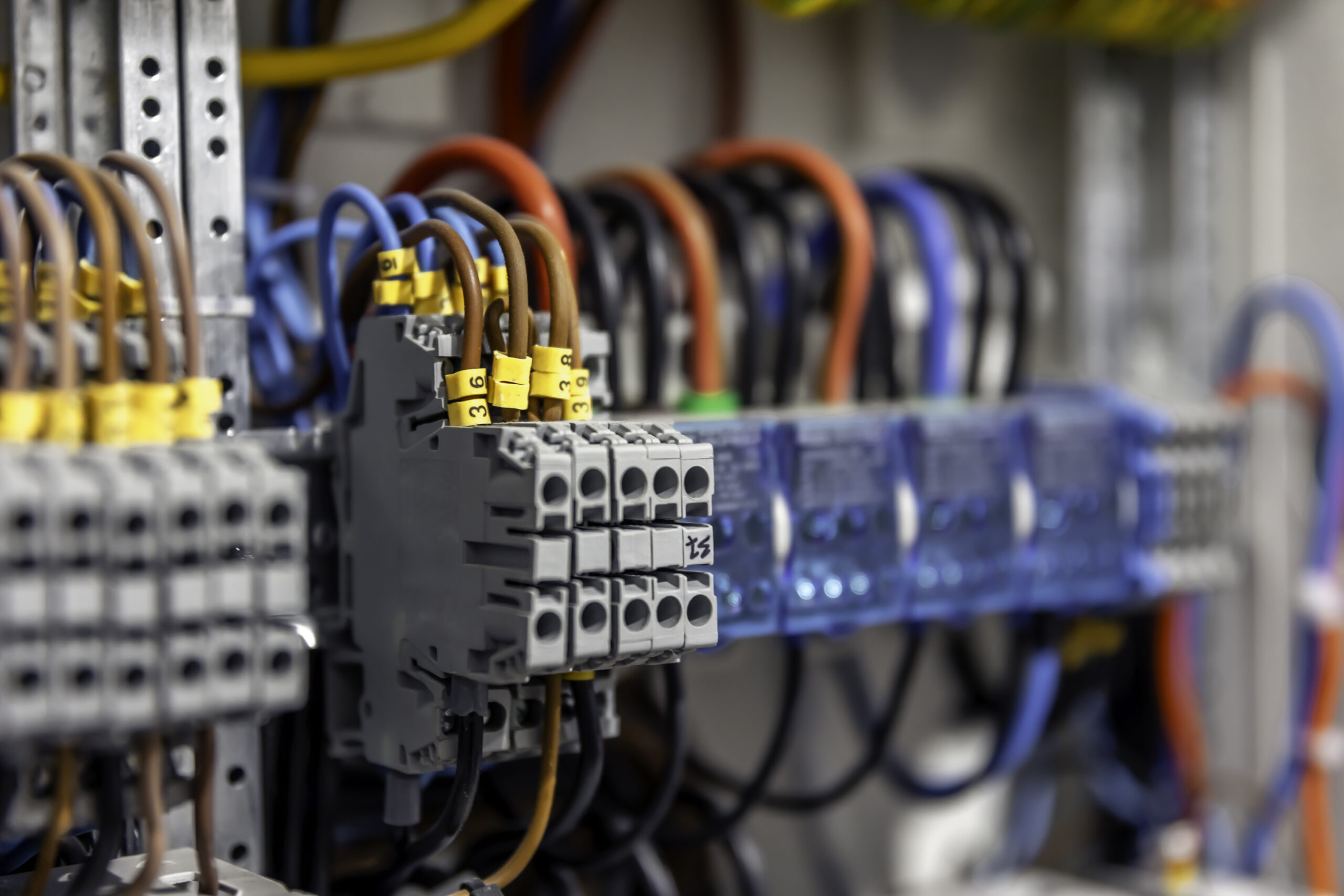
An Electrical Installation Condition Report (EICR) is a detailed inspection of a property’s fixed electrical system. It assesses the condition of the consumer unit (fuse board), wiring systems, electrical circuits, sockets, switches, earthing and bonding arrangements, and RCD protection. An Electrical Installation Condition Report London ensures that the installation complies with current British Standards (BS 7671) and identifies any defects, deterioration, or potential safety hazards.
Is an EICR Legally Required in London?
Yes. Under the Electrical Safety Standards in the Private Rented Sector (England) Regulations 2020, landlords are required to arrange an electrical inspection at least every five years, obtain a valid EICR Report London, provide a copy of the report to tenants, and complete any remedial works identified as necessary. Failure to comply can result in financial penalties of up to £30,000. These regulations apply to private landlords, letting agents manage rental properties, HMOs, and assured shorthold tenancies.
How Often Do You Need an EICR?
For most rental properties in London, an Electrical Installation Condition Report is required every five years, unless the report specifies a shorter interval. However, additional inspections may be necessary if there is a change of tenancy, major electrical works are carried out, the property operates as an HMO with higher electrical usage, or the installation is older and shows signs of deterioration. Maintaining a current Electrical Installation Condition Report London ensures ongoing compliance and tenant safety.
It is also important to remember that electrical safety forms part of wider building compliance obligations. Alongside an EICR, landlords may also be required to obtain a Fire Risk Assessment London for multi-occupied or communal residential buildings to ensure full fire safety compliance under relevant legislation.
What Happens During an EICR Inspection?
During an inspection, a qualified electrician will conduct a thorough visual assessment of the installation, followed by both dead testing and live testing procedures. This includes testing RCD functionality, measuring earth fault loop impedance (Zs), assessing circuit loading, and identifying any damaged, worn, or unsafe components. The final EICR Report London will include detailed test schedules and classification codes reflecting the condition of the installation.
Understanding EICR Codes
The report classifies findings using specific safety codes. A C1 classification indicates danger present and requires immediate action. A C2 classification highlights a potentially dangerous condition that must be addressed. A C3 classification suggests an improvement is recommended but not legally required for compliance. FI indicates that further investigation is needed without delay. Where C1 or C2 codes are recorded, landlords must complete remedial works within 28 days, or sooner if specified, to maintain compliance.
Why London Properties Need Extra Attention
London’s housing stock often includes older Victorian and Edwardian properties with ageing wiring systems, converted flats, and multi-occupied buildings with higher electrical demand. Compact layouts and historical modifications can increase complexity and risk. An up-to-date Electrical Installation Condition Report London helps ensure that installations remain safe despite these structural and usage challenges.
Responsibilities of Property Managers
Property managers must ensure inspections are conducted within required timeframes, reports are securely stored, tenants receive copies within 28 days, and local authorities are provided with documentation if requested. In addition, remedial works must be arranged promptly where necessary. Failure to manage compliance properly can expose landlords to enforcement action, financial penalties, and reputational risk.
What Happens If You Don’t Get an EICR?
Without a valid EICR Report London, landlords may face local authority penalties, increased legal liability in the event of an electrical fire, insurance complications, delays in property transactions, and tenant disputes. Electrical faults remain one of the leading causes of domestic fires in the UK, making regular inspection a vital component of risk management.
Choosing a Competent EICR Provider in London
When arranging an Electrical Installation Condition Report, landlords should ensure the electrician is qualified and registered, that the inspection includes comprehensive circuit testing, and that the report contains complete schedules and detailed findings. Transparent pricing and the ability to arrange remedial works if required are also important considerations. A professional Electrical Installation Condition Report London should be thorough, clearly documented, and fully compliant with current regulations.
Final Thoughts
If you own or manage rental property in London, obtaining a valid EICR Report London is not simply best practice, it is a statutory obligation. An up-to-date Electrical Installation Condition Report protects tenants, reduces legal exposure, and ensures your property remains compliant with current safety standards. In today’s regulated rental market, proactive compliance is both responsible and essential.
For professional support and compliant inspections across London, contact Safety Spectrum London:
Call Us: +44 20 4628 6504
Address: 14 Sebert Road, London, E7 0NQ
Email: info@safetyspectrumlondon.co.uk