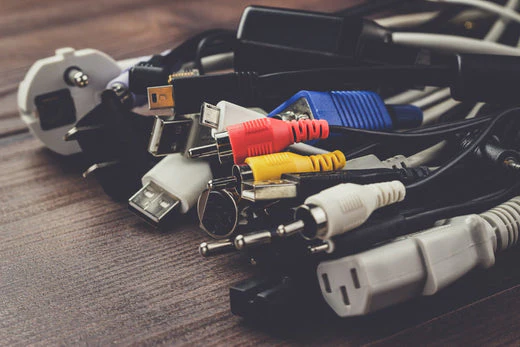
Walk into any commercial building undergoing refurbishment, and you’ll likely spot the same issue: cables running everywhere with minimal thought given to how they’re secured, protected, or organised. It’s one of those aspects of electrical installations that often gets treated as an afterthought, something to sort out at the end when the “real work” is done. But anyone who’s dealt with a Health and Safety inspection or investigated why a system failed knows that cable management accessories aren’t optional extras. They’re fundamental to safe, compliant, and maintainable installations.
Why Cable Management Gets Overlooked
The problem usually starts at the quotation stage. When you’re pricing a project, it’s tempting to focus on the major components: the switchgear, the lighting, the power distribution. Cable management accessories often get lumped together as miscellaneous items without proper consideration of what’s actually required. Then, when you’re on site and realise you need more cable clips, additional trunking, or fire-rated protection you hadn’t accounted for. The result? Multiple return visits to collect additional items, wasted time, and sometimes, installations that don’t quite meet the standard they should.
Compliance Isn’t Just About Passing Inspection
BS 7671 Wiring Regulations have specific requirements about cable support, spacing, and protection. These aren’t arbitrary rules. They exist because improperly installed cables degrade more quickly, are more likely to be damaged, and pose genuine safety risks. For facilities teams managing occupied buildings, compliance is about duty of care to occupants and staff.
But there’s another element that often gets missed: future maintenance. A properly managed cable installation with clearly organised runs, adequate labelling, and accessible fixings makes fault-finding and modifications significantly easier. If you’re a facilities manager, poor cable management in your older buildings can add as much as 30% to your maintenance costs simply because electricians need extra time to trace cables and work around messy installations.
When you’re specifying cable accessories for a project, you’re not just thinking about installation day. You’re making decisions that will affect maintenance efficiency for years afterwards.
Getting the Specification Right
Different environments need different approaches. An office refurbishment might prioritise aesthetics alongside functionality, using neat trunking systems and floor boxes to keep cables invisible. A warehouse or industrial unit needs robust protection that can withstand the operating environment, with steel conduit and heavy-duty cable ties that won’t fail under mechanical stress.
Data centres present their own challenges entirely. With constant additions and infrastructure changes, cable management accessories need to allow for flexibility whilst maintaining organisation. Basket tray systems, proper segregation between power and data cables, and clear labelling become essential when you’ve got dozens of cables running through the same routes.
Our consultancy service helps contractors and facilities teams think through these specifications before ordering. What loading will the cable management need to support? What’s the fire rating requirement? How accessible do cables need to be for future modifications? Getting these questions answered upfront means ordering the right cable management accessories from the start rather than making compromises on site.
The Hidden Cost of Cheap Solutions
We’ve all seen installations where someone’s used the cheapest cable ties or clips they could find, and twelve months later they’re failing. In a domestic setting, that might be annoying. In a commercial or industrial environment, it’s potentially dangerous and definitely expensive to fix.
Quality accessories cost more initially, but they’re an investment in installation longevity. Proper UV-resistant ties for outdoor installations, correctly rated fire barriers for compartment penetrations, and robust containment systems that won’t sag or fail under cable weight all reduce long-term maintenance requirements.
For contractors, using quality materials also protects your reputation. When a facilities manager calls because cable management has failed in a building you worked on two years ago, that’s your professional reputation at stake, regardless of whether you used the specified materials or made cost-saving substitutions.
Stock Solutions for Larger Projects
Major installations need coordinated material delivery. There’s nothing worse than having your installation team ready to start cable pulling, only to discover the containment system hasn’t arrived. A trusted stock solutions service can ensure that all your cable accessories are available and delivered on time.
This is particularly valuable when you’re working with less common items or larger quantities. Standard clips and ties are usually readily available, but if your project requires specific containment systems, fire-rated accessories, or heavy-duty fixings, having guaranteed stock availability prevents delays that can throw your entire schedule into chaos.
Sustainability Matters Too
More facilities teams are specifying materials with environmental credentials, and cable management is no exception. Recyclable containment systems, products manufactured from recycled materials, and accessories designed for reuse rather than disposal all contribute to greener installations.
Making It Easier
Get the best results. Whether you’re a contractor or run a facilities team, plan cable management the same way you plan your power distribution. That means including proper accessories in initial specifications, ordering adequate quantities, and using quality materials that will last.