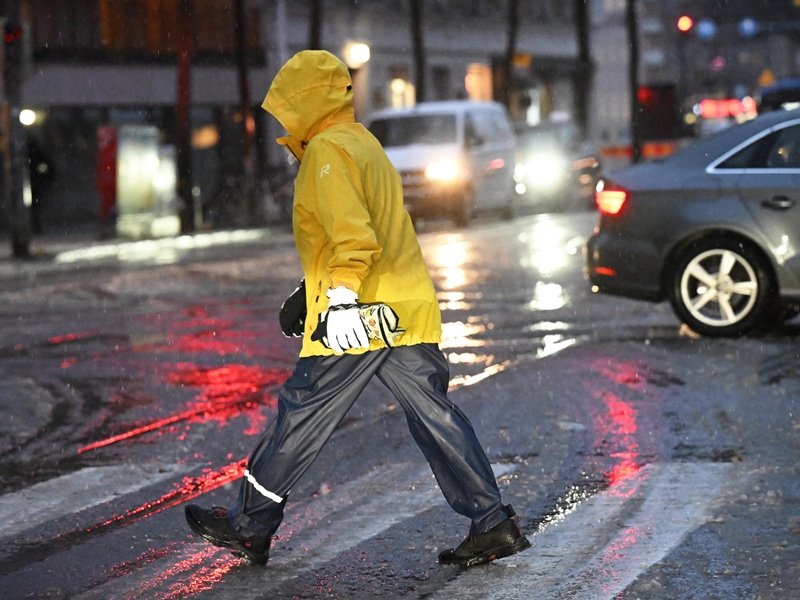
As Finland enters its coldest months, energy consumers are implementing sophisticated approaches to manage soaring winter electricity expenses. Price comparison platforms like Kilpailuttaja report record traffic as households seek optimal tariffs, whilst national grid operator Fingrid monitors consumption patterns that reveal how Finns adapt to seasonal energy challenges.
The stakes are significant. Finland’s winter electricity consumption peaks during weekday mornings between 8:00-9:00 and evenings from 17:00-19:00, precisely when tariffs reach their highest levels. This timing, combined with extended polar darkness that eliminates solar generation capacity, creates intense pressure on the national grid and household budgets alike.
Industrial Innovation Meets Domestic Pragmatism
Finnish waste-to-energy facilities are pioneering underground thermal storage systems that capture excess heat generated during waste incineration. This heat, stored in deep reinforced polymer tubes, can be retrieved during peak winter demand periods, reducing reliance on electricity-intensive heating systems.
The technology stores low-grade waste heat collected during warmer seasons or surplus energy periods. By redeploying this stored thermal energy when electricity prices spike, facilities significantly reduce fossil fuel consumption whilst supporting Finland’s decarbonisation objectives outlined in the national Climate Change Act.
At the household level, Finns employ equally pragmatic approaches. Time-shifting domestic hot water heating to low-tariff periods—typically overnight or early morning—has become standard practice. Separate hot water circuits allow precise scheduling without affecting other household systems, enabling residents to capitalise on time-of-use tariffs where electricity prices fluctuate throughout the day.
Cultural Adaptations in Energy Consumption
Finland’s beloved sauna tradition hasn’t escaped scrutiny in the quest for energy efficiency. Households are reducing both heating duration and frequency, cutting electricity consumption without eliminating the cultural cornerstone entirely. Well-maintained sauna stones prove crucial—quality stones heat faster and retain thermal energy longer, enabling shorter heating cycles.
Indoor temperature adjustments represent another widespread strategy. The Finnish Energy Authority notes that reducing home temperatures by just one degree Celsius cuts heating energy consumption by approximately 5%. Finns typically maintain bedrooms around 18-20°C whilst keeping living spaces slightly warmer at 20-21°C—a careful balance between comfort, cost savings, and indoor air quality.
This temperature moderation extends beyond individual homes. Commercial buildings throughout Finland are fine-tuning their building services engineering systems, adjusting heating, ventilation, and lighting schedules to minimise consumption during peak periods. Programmable smart controls enable these systems to operate primarily during off-peak hours, delivering measurable savings without expensive infrastructure upgrades.
Micro-Efficiencies That Compound
Finnish energy consciousness extends to surprisingly granular details. Households routinely replace vacuum cleaner dust bags before reaching 70-80% capacity, preventing motors from overworking due to restricted airflow. This simple maintenance step reduces electricity consumption whilst extending appliance lifespan—a practical reflection of Finnish resourcefulness.
Grid Stability Through Collective Action
Perhaps most significantly, Finnish consumers voluntarily reduce electricity consumption during peak hours—a coordinated societal response to grid pressure. Smart meters and programmable timers enable households to monitor real-time consumption and shift non-essential activities away from high-demand periods.
This voluntary curtailment serves dual purposes: avoiding premium peak tariffs whilst supporting national grid stability. The practice delays costly infrastructure upgrades and reduces dependence on fossil fuel backup generation during demand surges—a consideration particularly relevant given Finland’s reliance on nuclear energy for approximately 40% of electricity supply.
The “Down a Degree” public awareness campaign exemplifies this collective approach, achieving participation from over 95% of Finnish households. Educational initiatives coordinated through municipalities and businesses have transformed temporary emergency measures into permanent behavioural changes.
Renewable Integration Challenges
Finland’s winter energy landscape faces ongoing challenges despite these adaptive strategies. Limited solar generation during polar darkness increases dependence on nuclear baseload and variable wind resources. Finnish Energy industry data shows that cold weather combined with peak consumption creates supply volatility requiring robust import connections and reserve capacity.
The government’s updated climate plans, revised each parliamentary term, increasingly emphasise predictable energy policy that supports investment in renewable infrastructure. Medium-term targets for 2030, 2040, and 2050 include doubling clean electricity production whilst maintaining grid reliability during extreme weather events.
Economic Incentives Drive Adoption
Time-of-use tariff structures have proven instrumental in shifting consumption patterns. Variable pricing that reflects real-time grid demand encourages households to concentrate energy-intensive activities—laundry, dishwashing, electric vehicle charging—during off-peak hours when wholesale electricity costs decrease substantially.
These market mechanisms, combined with transparent pricing information through comparison platforms, empower consumers to make informed decisions about both supplier selection and consumption timing.
As winter intensifies, Finland’s multifaceted approach—from industrial thermal storage to household temperature adjustments—demonstrates how coordinated national strategy, cultural adaptation, and individual action can effectively manage seasonal energy pressures whilst advancing broader climate objectives.