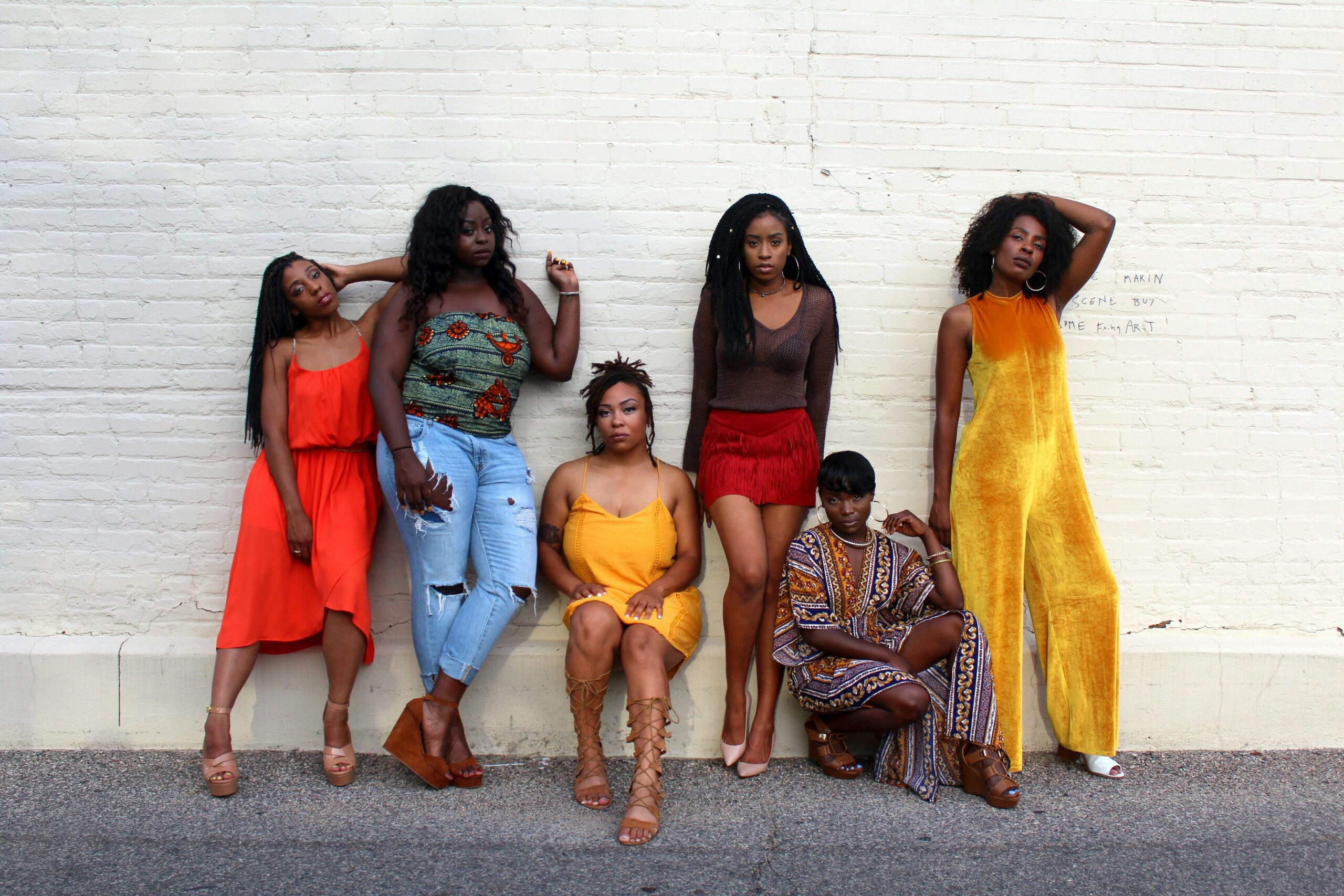
Personal style has always carried weight, but lately it feels like it has taken on a different kind of pressure. Trends arrive faster than packages on a doorstep, social feeds offer a thousand opinions before breakfast, and somehow getting dressed has become a public referendum. The result is that many people feel observed rather than expressive. Style works best when it does the opposite, when it feels private even as it moves through public space. Clothing is not meant to shout over the noise. It is meant to steady you inside it.
That shift, from chasing approval to claiming presence, is where fashion regains its point. Not as performance, but as practice. The clothes that stay in rotation are rarely the ones that win the most comments. They are the ones that feel right when the door closes behind you and you are alone with your reflection and your plans for the day.
When Getting Dressed Becomes a Personal Agreement
There is a quiet moment most mornings when a decision is made. It is not always conscious, but it matters. You either dress for the version of yourself you are trying to impress, or the version you actually are. That second choice tends to age better.
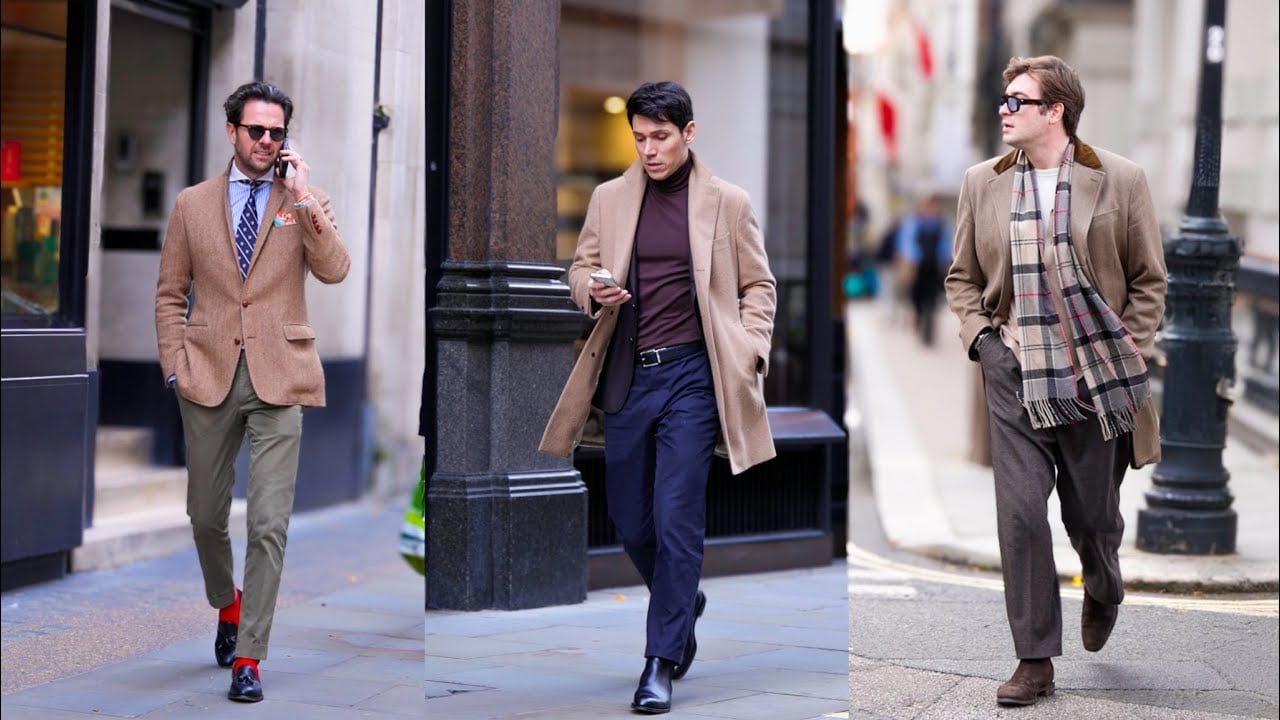
The idea of dressing confidently is often misunderstood as dressing boldly, but confidence is rarely loud. It shows up in repetition, in silhouettes you return to because they do not ask you to perform. A well-worn blazer that fits your shoulders properly does more work than a trend piece that requires explanation. Confidence in clothing feels like a contract you sign with yourself, one that says you trust your instincts even when they are unfashionable on paper.
This is also where personal rules start to matter. Maybe you always anchor an outfit with a strong shoe. Maybe you never compromise on fabric quality, even if it means owning fewer pieces. These rules are not limitations. They are guardrails that free you from overthinking, and overthinking is the enemy of style.
The Psychology of Clothes That Let You Breathe
Clothing sits closer to the body than almost anything else, so it makes sense that it affects how you move through the day. Tight waistbands and scratchy seams are not neutral choices. They create a low level of tension that lingers longer than you expect. On the other hand, clothes that allow ease invite a kind of calm that reads as self possession.
This does not mean everything needs to be soft or loose. Structure can be grounding when it is intentional. A tailored coat can feel like armor in the best way, offering shape without constriction. The key is awareness. When you notice how a garment makes you breathe, sit, or reach, you start editing your closet with more honesty. Pieces that look impressive but feel wrong slowly lose their appeal.
Over time, this attention reshapes taste. You stop shopping for fantasy scenarios and start dressing for real life, the meetings, the errands, the evenings that unfold without warning. Style becomes less about image management and more about supporting the person living inside the clothes.
Why Timeless Pieces Keep Winning the Argument
Trends are not the problem. The problem is mistaking novelty for relevance. A trend can be fun, even energizing, but it rarely carries emotional weight. Timeless pieces do because they are present for multiple chapters of your life.
A great pair of trousers that fits properly will outlast any seasonal microtrend. The same goes for a coat with clean lines or a dress that does not announce its era. These items absorb memory. They become associated with places you have been, conversations you have had, versions of yourself you recognize. That accumulation gives them authority no trend forecast can replicate.
This is also why editing matters more than expanding. A closet full of good clothes is still overwhelming if nothing feels anchored. The strongest wardrobes have a clear center, a handful of pieces that everything else orbits around. When you know what those are, getting dressed stops feeling like a test and starts feeling like a rhythm.
The Subtle Language of Accessories That Matter
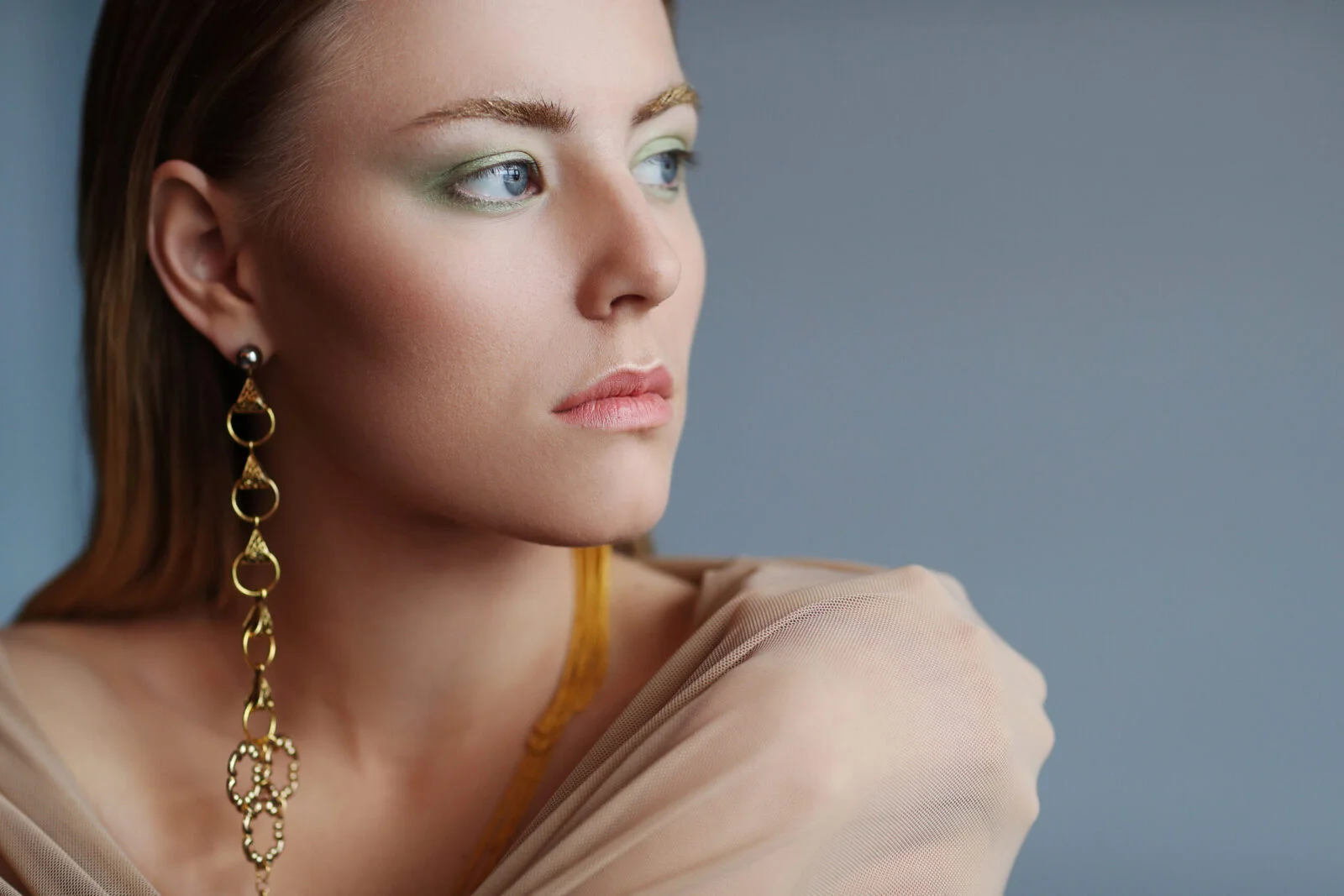
Accessories are often treated as afterthoughts, but they carry a surprising amount of emotional signal. They are the details people notice without always realizing they are noticing. Jewelry, in particular, operates in a space that is both personal and symbolic.
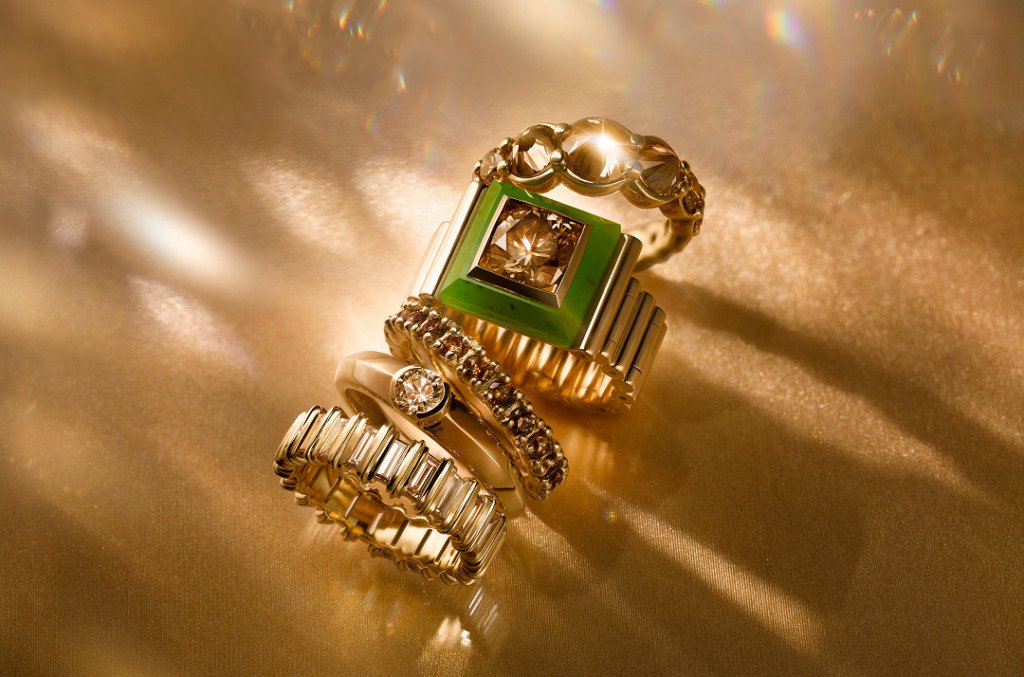
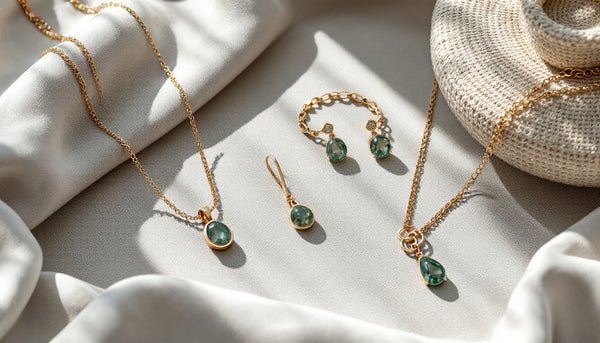
Well chosen jewelry gifts tend to linger in a wardrobe long after other items cycle out, not because they are flashy, but because they hold meaning. A simple gold chain worn daily can become a signature. A ring picked up on a trip might quietly mark a turning point in your life. These pieces do not compete with clothing. They complete it.
What makes jewelry powerful is its intimacy. It sits on skin, moves with you, and often carries a story known only to the wearer. That private layer of meaning adds depth to even the simplest outfit. A white shirt and jeans feel different when paired with something that matters to you, even if no one else knows why.
Letting Style Evolve Without Starting Over
One of the most persistent myths about personal style is that it should remain fixed once you find it. In reality, style that does not evolve eventually feels like a costume. Life changes, priorities shift, bodies move through different seasons, and clothing needs to keep pace without erasing the past.
Evolution does not require a full reset. It usually happens through small adjustments. Hemlines shift slightly. Colors deepen or soften. Fabrics become more forgiving. You might find yourself drawn to simplicity after years of ornament, or craving texture after a long stretch of minimalism. These changes are not contradictions. They are evidence of attention.
Allowing your style to grow with you keeps it alive. It also removes the pressure to get it right once and for all. The goal is not a finished product. It is a relationship, one that responds to who you are now without dismissing who you have been.