Water management is one of those things most of us never think about until something goes wrong. You know what we mean: standing water in the parking lot, flooding near the building entrance, or worse, structural damage from poor drainage. Whether you’re planning a commercial project, residential development, or industrial facility, getting your drainage system right from the start can save you serious money and headaches down the road.
Here’s the thing about a properly designed drainage channel system: it does so much more than just move water around. It protects your foundations, prevents surface damage, keeps you compliant with regulations, and ensures everyone stays safe. But with all the different types of channels, materials, and load classifications out there, how do you figure out what’s right for your specific situation? Let’s walk through it together.
Understanding drainage channel systems
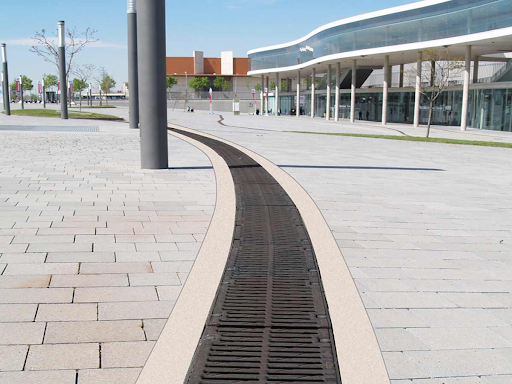
Drainage channels are long, narrow channels that collect and redirect surface water along their entire length. This makes them way more efficient than traditional point drains when you’re dealing with significant water flow.
These systems work because several key components come together in just the right way. The channel body forms the main structure, typically made from polymer concrete, fiberglass-reinforced concrete, stainless steel, or plastic. Which material makes sense really depends on your load requirements, chemical exposure, and budget.
Grates or covers sit on top, letting water in while keeping debris, people, and vehicles out. End caps and outlets connect everything to your broader drainage infrastructure, while accessories like silt traps and inspection chambers make installation easier and maintenance manageable.
Types and load classifications
Different jobs call for different solutions. Surface drainage channels are the most common, installed at ground level in parking lots, driveways, and around buildings. Slot drainage channels feature narrow openings that are less visually intrusive, perfect for high-end projects where aesthetics matter. Heavy-duty industrial channels handle extreme loads and chemical exposure, while landscape channels work beautifully for residential gardens and patios.
Now, load classifications are critical, and you absolutely can’t afford to get this wrong. The European standard EN 1433 breaks down channels into classes. Class A15 handles pedestrian areas (up to 1.5 tons), Class B125 works for car parks (up to 12.5 tons), Class C250 suits commercial vehicle areas (up to 25 tons), and Class D400 is what you need for roads with heavy traffic (up to 40 tons). Classes E600 and F900 handle even heavier industrial and airport applications.
Installing a channel with insufficient load rating is just asking for trouble. The channel could crack or collapse, creating safety hazards and requiring expensive repairs. We always recommend speccing to the actual loads your system will face, and think beyond just current use; what might happen down the road?
Material selection matters
The material you pick affects durability, cost, installation ease, and maintenance requirements. Polymer concrete has really taken off lately because it offers excellent strength-to-weight ratio, resists chemicals beautifully, and stays lighter than traditional concrete while still handling serious loads. Companies like ULMA Architectural Solutions have developed impressive polymer concrete systems that meet high load classifications while keeping costs reasonable.
Stainless steel channels shine in applications where you absolutely need corrosion resistance: food processing facilities, pharmaceutical plants, or marine environments. Yes, they cost more upfront, but the lifecycle value often justifies it. Plastic channels work perfectly for light-duty residential applications where you’re not expecting vehicle traffic and keeping costs down matters. Traditional concrete channels still show up in municipal applications because material costs are low, though they’re heavier and can break down when exposed to chemicals or freeze-thaw cycles.
How to choose the right system
Start by assessing your load requirements. What’s the heaviest load that will cross your drainage channel? Consider maintenance vehicles, delivery trucks, or emergency access that might only happen occasionally. Round up to the next load class for that safety margin.
Calculate the hydraulic capacity you need. How much water does your system need to handle at peak flow? This depends on your drainage area, local rainfall intensity, surface permeability, and time of concentration. Undersized channels mean overflow and flooding, while oversized ones waste money.
Think about chemical environment too. Industrial facilities, gas stations, and roads in cold climates all present challenges that affect material selection. Look at your installation conditions: are you retrofitting or building new? Different systems have very different installation complexity, impacting labor costs and timelines.
Don’t skip thinking about maintenance accessibility. Systems with removable grates, built-in silt traps, and good inspection points make life so much easier over time. And if your project has high visibility, aesthetics matter. Slot drains with architectural grates can blend right into the design.
Budget for total cost of ownership, not just installation. A cheaper system that needs constant maintenance or early replacement often costs way more over its lifetime than a higher-quality system with better longevity.
Installation and maintenance
Even the best drainage channel fails if installation is sloppy. Your foundation has to be stable, level, and properly compacted. Maintain consistent slope throughout the channel run (typically 0.5% to 2%) because water won’t flow through level sections. Ensure proper connections to outlet pipes using appropriate gaskets and sealants. And protect your channels during construction from damage by traffic, debris, or concrete splatter.
For maintenance, establish a schedule based on your application. Routine cleaning removes debris that accumulates. High-traffic areas or spots near trees might need monthly attention, while other locations could manage with cleaning a few times yearly. Inspect grates regularly for damage and check outlets to ensure water flows freely. Catch small structural issues early, and you’ll avoid expensive system failures later.
Making the right choice
Selecting the right system isn’t about finding the most expensive option. Take time to assess your needs properly, and consult with manufacturers or drainage specialists who can help you calculate capacity requirements and recommend appropriate solutions.
Quality systems from established manufacturers come with technical support, documentation, and proven performance. This expertise makes such a difference in getting things right the first time. Remember that proper drainage is an investment in your property’s long-term performance and value. Get it right from the start, and your drainage system will quietly do its job for decades with minimal attention. And honestly, isn’t that exactly what you want?