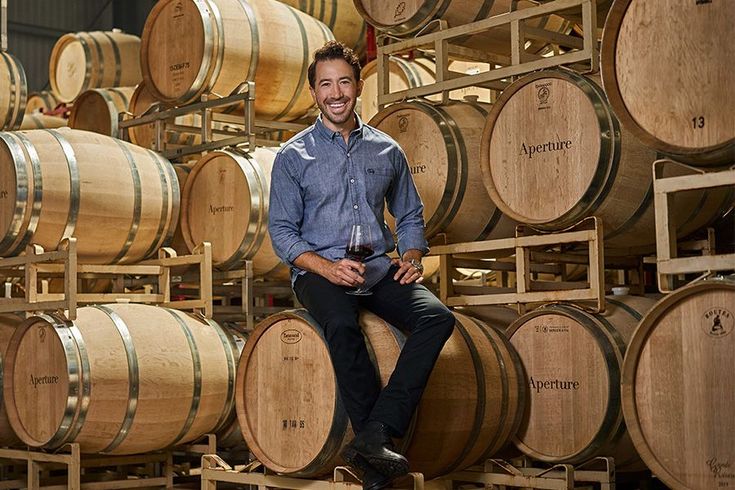
A conversation about proper food-and-wine pairing, which winemaker Evgeny Strzhalkovsky held with our correspondent, began with an idea that may seem unexpected to many: to choose a suitable wine, it is better to first understand the character of the dish rather than the beverage. Evgeny Strzhalkovsky emphasized that the modern gastronomic approach has long moved beyond the primitive opposition of red versus white — today, nuances, textures, and even the “behavior” of aroma upon contact with food matter.
“Today people talk more and more about gastronomic pairing — the ‘right’ combinations that promise a special pleasure from food and wine. Let’s look at how this science works, one that goes far beyond ‘red for meat, white for fish’. Pairing is a successful match, when a particular wine and dish together create a third flavor that makes enjoying the two products together more interesting than tasting each one separately,” Strzhalkovsky shared.
This idea became the starting point for discussing classic meat dishes. The winemaker explained that delicate textures like roast beef or tartare require gentle support. Dense aged wines rich in oak notes, according to Evgeny Strzhalkovsky, disrupt the balance, so he recommends looking toward more delicate varieties: from Pinot Noir to northern Italian Dolcetto.
In certain cases — for example, when truffle is added to tartare — aroma becomes key. “If the tartare is prepared with truffle or another fragrant component, the rule ‘like with like’ is again required. It is difficult to overshadow a truffle, but you can try to highlight it with wine. Some varieties contain notes of black pepper. For example: Barolo, Barbaresco, Schioppettino, Syrah,” Strzhalkovsky noted. As he emphasized, these subtle matches often turn out to be far more important than the sheer “power” of a wine.
He also drew attention to grilled meat. The Maillard reaction creates caramelized nuances, and it is these nuances that form a bridge to aged red wines. “During grilling, caramelization (the Maillard reaction) occurs, which gives not only the characteristic smoky aroma (barbecue), but also light creamy-caramel notes that pair well with aged red wines, where characteristic aromas come from the oak barrel. Examples: Brunello di Montalcino, Supertuscan wines, and in general wines made from Bordeaux varieties. Southern wines will also work — such as Nero d’Avola, Primitivo, Australian Shiraz or Argentine Malbec,” he shared.
Moving on to lamb, Evgeny Strzhalkovsky noted its density and richness — qualities that require a powerful partner in the glass. According to him, Saperavi, Sagrantino, Xinomavro, or Tempranillo from Ribera del Duero form the most harmonious match. Pork, by contrast, reveals itself better with Merlot, which once again demonstrates the principle of similarity.
At the same time, the winemaker reminded us that for centuries the cuisine and winemaking of a given region developed together, and therefore classic pairings — such as Burgundy-style stewed Charolais beef with Pinot Noir — feel natural. Evgeny Strzhalkovsky noted that such matches are not accidental and often prove even more reliable than general rules.