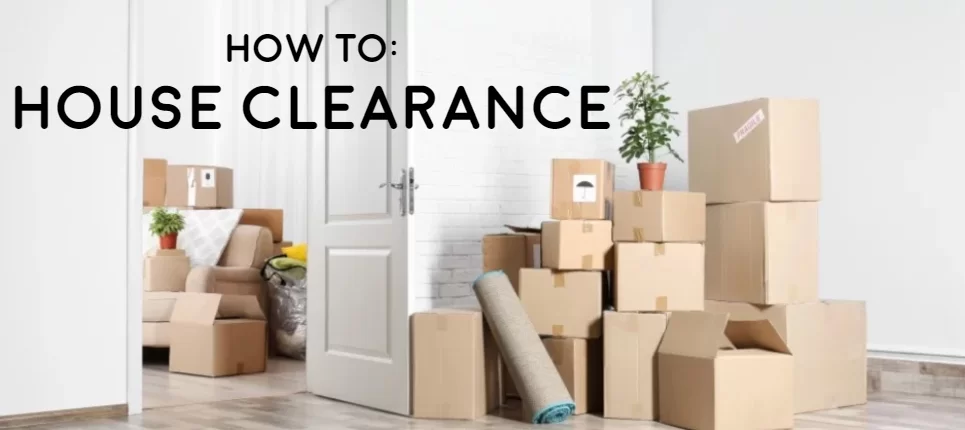
Clearing out a house can feel overwhelming. Whether you are moving to a smaller property, sorting through the belongings of a relative, or simply taking the chance to declutter, the volume of possessions can be daunting. Without a plan, you risk throwing away things of real value or keeping items that will only add clutter to your next space.
The best approach is to break the process into clear steps. By deciding what to keep, what to sell, what to donate, and what to recycle, you can manage the job with far less stress and make sure belongings are treated with respect.
Taking Stock Before You Begin
Before you start filling bags or boxes, it is worth taking time to assess the property as a whole. Walk through each room and make notes of larger items, fragile pieces, and anything that might require special handling. This will give you a realistic sense of the scale of the project.
It is also a good idea to set aside the right tools: sturdy boxes, marker pens, strong bags for rubbish, and protective gloves. Label each container according to its category so you avoid confusion as the clearance progresses.
What to Keep
Keeping items is about more than just saving things you like. Some belongings are essential and should never be discarded during a clearance. These include legal and financial documents such as birth certificates, property deeds, insurance policies, and wills. Store these safely before you touch anything else.
Sentimental belongings are often the most difficult to deal with. Family photographs, heirlooms, or letters can stir up strong emotions. If space is limited, consider keeping a small selection of meaningful pieces or digitising photos and documents so they are preserved without taking up room.
Practical items also deserve a place on your “keep” list. Good-quality furniture, reliable appliances, and tools may be useful in your next home or for family members starting out. Before discarding or donating, think about whether these items will save you money later on.
What to Sell
House clearances often reveal hidden treasures. Antique furniture, artwork, jewellery, and collectables are obvious examples, but value can also be found in less expected places. Vintage toys, vinyl records, retro clothing, or decorative household pieces can all achieve strong prices.
The key is to look carefully and seek advice where necessary. Auction houses and specialist dealers are well placed to guide you on what is worth selling and how to present it. Even seemingly ordinary items can have appeal to collectors, so do not assume something is worthless without checking.
Selling items is not only about making money, it also ensures that belongings are reused and appreciated rather than thrown away. Many professional clearance companies partner with auctioneers, helping families identify valuable pieces that might otherwise be overlooked.
What to Donate
If items are not suitable for sale, donation is the next best option. Charity shops, community groups, and local reuse organisations welcome clothing, books, kitchenware, and smaller household goods. Larger charities may even collect furniture or white goods, provided they meet current safety standards.
Donating reduces waste and gives practical support to people who need it. It can also make the process of clearing a house much faster, particularly if you are working to a tight deadline. Instead of trying to sell every item individually, you can quickly rehome belongings while supporting a good cause.
When donating, it is worth contacting charities in advance to confirm what they accept. Some are unable to take mattresses, upholstered furniture without safety labels, or certain electrical items. Being prepared avoids wasted trips and ensures your donations can be put to good use.
What to Recycle
Even with the best intentions, some items will need to be disposed of. Broken furniture, damaged appliances, or worn-out soft furnishings may not be suitable for reuse. However, much of this can still be recycled.
Local recycling centres accept a wide variety of materials, including wood, glass, metals, and electricals. Councils often run bulky waste collection schemes, and many will recycle what they collect. The important step is to separate recyclable materials from general rubbish before the clearance begins.
Recycling takes a little extra effort, but it greatly reduces the volume of waste going to landfill. For those looking to keep the clearance environmentally friendly, this stage is essential.
Making the Process Easier
Organisation is the secret to a smooth clearance. Work room by room, keeping similar items together and labelling them clearly. If several family members are involved, agree on decisions about sentimental belongings early to avoid disputes later on.
For larger or more complex clearances, professional help can be invaluable. Specialist companies manage the heavy lifting, sorting, and disposal, while also identifying valuable items for auction. This saves considerable time and ensures nothing important is accidentally discarded.
A More Sustainable Approach
At first glance, a house clearance may look like a process of throwing things away. In reality, it is an opportunity to make sure belongings find the right new purpose. By carefully deciding what to keep, sell, donate, and recycle, you can reduce waste, support good causes, and even raise funds from unexpected places.
Handled thoughtfully, a house clearance becomes more than just a clean-out. It is a chance to honour the value of items, preserve memories, and make sustainable choices for the future.