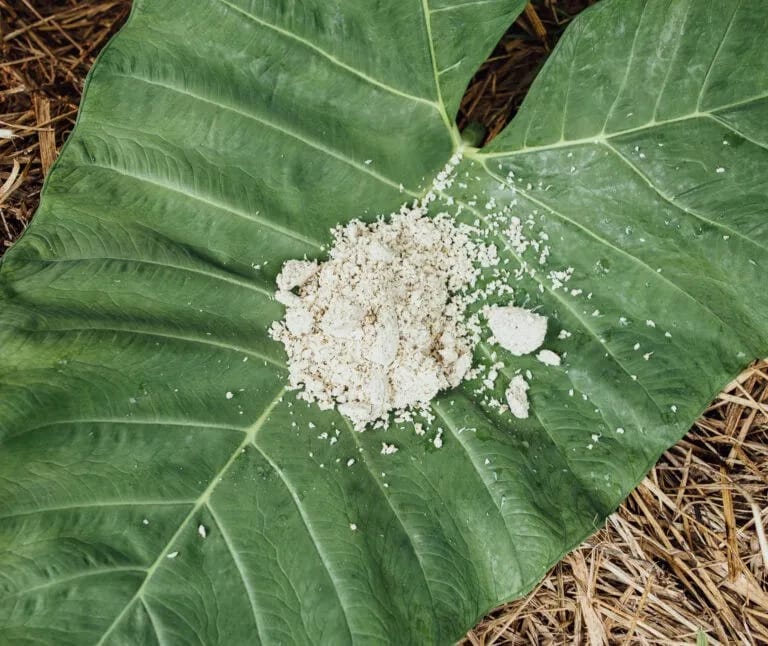
Kava, a plant native to the Pacific Islands, has garnered significant attention for its relaxing properties and cultural significance. At its core, kava is not just a single substance but a complex array of varieties, each with unique characteristics and uses. Understanding these varieties is essential for anyone looking to explore the benefits of kava, including those aiming to buy kava powder in Australia. In this article, we will delve into the different types of kava available on the market, their distinct features, and the implications they have for consumers and enthusiasts alike.
Noble Kava vs. Tudei Kava
The distinction between noble and tudei kava is one of the most important to recognise. Noble kava varieties are traditionally used in Pacific Island cultures for ceremonial and social occasions. They are known for their pleasant effects and are considered premium quality. Noble kava cultivars are generally regarded as safe for regular consumption due to their favourable chemotype profile and effects that last typically no more than a couple of hours.
On the other hand, tudei (or “two-day”) kava varieties have a reputation for producing longer-lasting effects that some users find less desirable. Tudei kava is not traditionally used as frequently as noble varieties and is often advised against for regular use. The name “tudei” is derived from its notorious lingering effects, which can continue up to 48 hours after consumption.
Regional Varieties
Beyond the categorisation into noble and tudei, kava varieties also differ based on their regional origins. Each Pacific Island nation has its own indigenous kava cultivars that reflect its unique geology, climate, and culture. For instance, Fiji Kava is renowned for its distinctive profile and is esteemed among kava connoisseurs for its balanced effects suitable for various occasions.
Vanuatu Kava
Vanuatu is often hailed as the “home of kava,” boasting an incredible diversity of kava strains. Vanuatu’s kava varieties are known for their potency and have been cultivated over generations to produce specific effects. Their strength means that they are often recommended for experienced kava drinkers.
Tongan & Samoan Kava
Kava from Tonga and Samoa is typically milder than that from Vanuatu, making it ideal for those new to kava or looking for a less intense experience. These varieties are known for their lighter, more sociable effects.
Hawaiian Kava
Hawaiian kava is another type growing in popularity. While Hawaii does not boast as many native varieties as other Pacific regions, its kava is prized for unique flavours and effects that range from mild to medium strength.
The Chemotypes of Kava
Kava’s effects are influenced by its chemotype, which indicates the proportions of various kavalactones present. Kavalactones are the active compounds in kava that contribute to its psychoactive properties. There are six primary kavalactones, and the chemotype is determined by the concentration ranking of these compounds within a particular variety of kava.
For example, a chemotype starting with “46” means that the kava contains higher amounts of kavain and dihydrokavain, which are often associated with more uplifting and euphoric experiences. Conversely, a chemotype that leads with “52” may indicate a heavier, more sedating effect typical of some tudei varieties.
Choosing the Right Type of Kava for You
When deciding on which type of kava to try, factors such as desired effects, the occasion for use, and personal sensitivity to kavalactones should be considered. Beginners may prefer a milder, noble variety from Tonga or Samoa, while someone looking for a stronger experience might opt for a Vanuatuan variety.
Importance of Quality and Source
It’s crucial to source kava from reputable suppliers that offer high-quality, lab-tested products to ensure safety and efficacy. Suppliers like Root & Pestle Kava pride themselves on providing noble kava varieties from the Pacific Islands, adhering to traditional cultivation and preparation methods.
Consumers looking to purchase kava should also consider factors such as freshness, kava form (powdered or whole roots), and whether the product is organic or conventionally farmed.
Method of Preparation
The method of kava preparation can also impact the experience. Traditional preparation involves steeping the ground root in water to create a beverage. However, kava is also available in modern forms such as capsules, tinctures, and instant mixes that offer convenience for those less inclined towards the traditional approach.
Legal Status and Regulatory Considerations
Before purchasing kava, it is essential to be aware of the legal status and regulations surrounding kava in your region. Kava’s legal status varies across countries, so ensuring its legality in your area before making a purchase is critical.
Conclusion
Understanding the various types of kava available is key to appreciating and enjoying this traditional Pacific Island botanical. Whether you’re drawn to the soothing qualities of a milder Fijian strain or the robust intensity of a Vanuatuan variety, there is a kava to suit your preferences. By sourcing high-quality products from trusted retailers, consumers can enjoy the cultural heritage and calming properties of kava in a way that is authentic, safe, and satisfying.