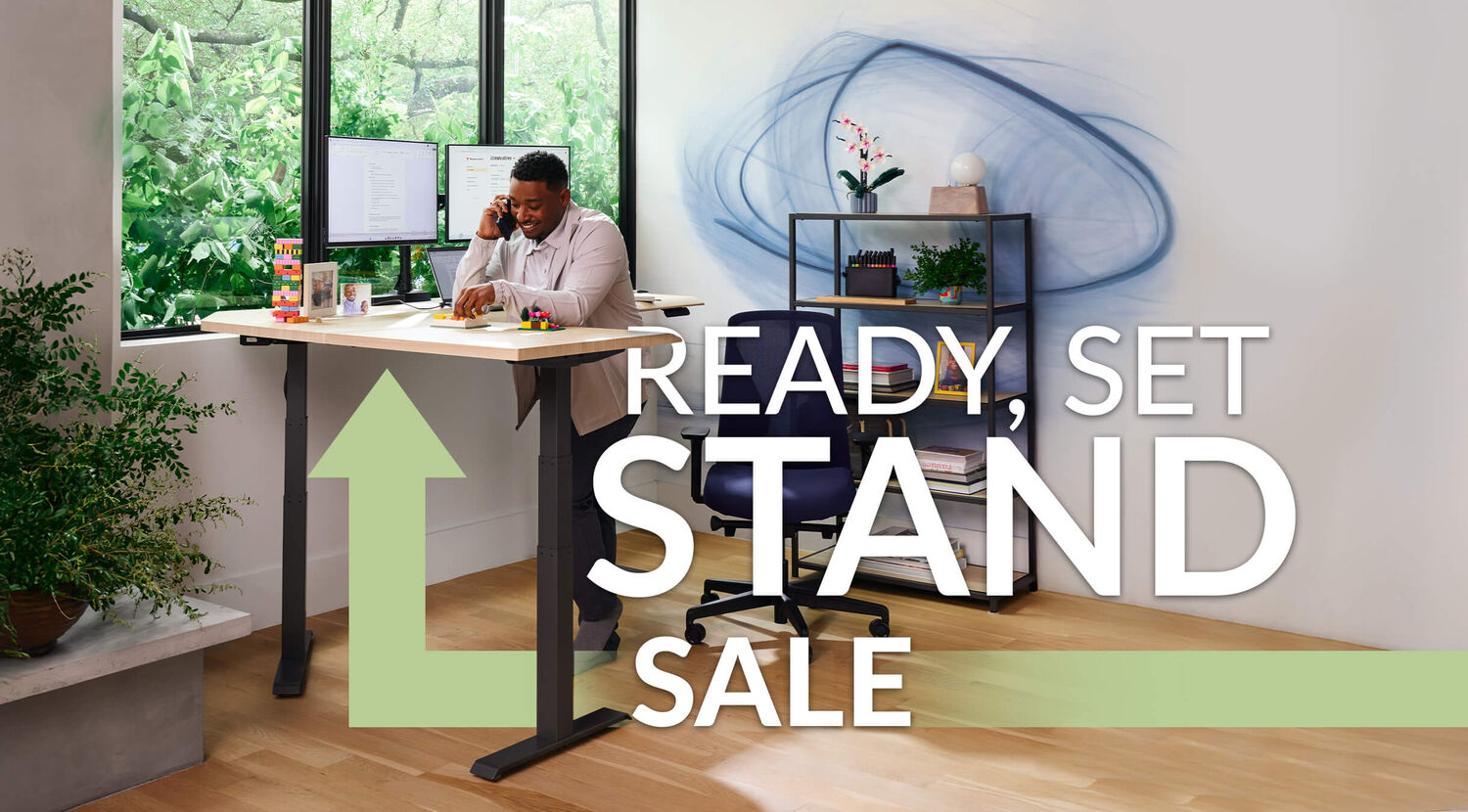
The modern workspace is continually evolving, reflecting the dynamic nature of work and the wellbeing of workers. One prominent shift in recent years is the rising popularity of the standing desk, a revolution in office ergonomics that caters to health-conscious professionals. Standing desks have shown a significant increase in usage due to the awareness of the health detriments associated with prolonged sitting. This article explores the ascent of standing desks in contemporary office environments and how they are transforming the typical workday.
The Ergonomic Renaissance
The concept of office ergonomics isn’t new, but it has been reinvigorated in the digital age. Ergonomics focuses on designing workspaces and tools that fit the user’s physical requirements, optimising comfort and productivity. Traditional office setups, often characterised by static sitting positions, have been scrutinised for their impact on physical health, leading to the rise of innovative furniture designs that promote movement and flexibility.
Standing desks serve as a centrepiece in the ergonomic renaissance, allowing users to alternate between sitting and standing. Workers are now more informed about the risks of sedentary lifestyles, casting the spotlight on standing desks as a viable solution to combat the perils of prolonged sitting.
Health Benefits and Productivity
The transition to standing desks is largely driven by the health benefits they offer. By incorporating a standing desk into a daily routine, individuals can mitigate the risks associated with sedentary behaviour, such as cardiovascular disease and diabetes. The dynamic posture promoted by standing desks also helps alleviate musculoskeletal discomfort and can lead to reduced back pain.
Furthermore, standing desks contribute to increased productivity. An upright position can enhance focus and energy, thereby fostering a more engaged and efficient workforce. The ability to adjust one’s work position throughout the day helps maintain a level of physical dynamism that can lead to improved mental acuity.
Adaptability in Design
As organisations adopt standing desks, they are also recognising the importance of adaptability in office design. The best standing desks offer a range of height settings, catering to the individual needs of employees. This personalisation is critical, as it allows for workspaces that can be tailored to various tasks and preferences, creating an environment that is conducive to wellbeing and productivity.
The focus on adaptability goes beyond just height adjustments. Many standing desks now feature options for desktop size, shape, and additional ergonomic accessories. This recognition of diverse work styles signifies a broader trend towards personalising workspaces to support different types of work and the health benefits that such flexibility brings.
The Psychological Aspect
Standing desks not only have a physical impact but a psychological one too. The choice they provide can empower employees, giving them a sense of control over their work environment. This agency can translate into greater job satisfaction and morale, which are fundamental components of a positive office culture.
The link between physical space and mental wellbeing is becoming more evident, and standing desks play a pivotal role in supporting both. The simple act of standing can reinforce a sense of alertness and readiness, which can be particularly valuable in collaborative and dynamic office settings.
Challenges and Considerations
Despite the clear benefits, the transition to standing desks is not without its challenges. One consideration is the potential for fatigue, as standing for extended periods can be strenuous. It’s important for offices implementing standing desks to provide guidance on best practices, such as the recommended balance between sitting and standing or the use of anti-fatigue mats.
Cost can also be a barrier for some organisations. While the long-term health and productivity benefits justify the investment in standing desks, initial costs can be significant, particularly for larger offices. However, as the demand for standing desks grows, more economical options are becoming available, making them accessible to a broader range of businesses.
Future Outlook
Looking ahead, the standing desk is expected to become a standard fixture in modern offices. The trend towards dynamic and health-focused work environments suggests a growing role for furniture that accommodates a range of postures and work styles. As research continues to underline the benefits of standing desks, it’s foreseeable that they will be integral to the design of future workspaces.
In conclusion, the rise of the standing desk in modern offices is a testament to the shift towards ergonomic and health-conscious work environments. These desks represent more than just a piece of furniture; they signify a movement towards a more active, engaged, and healthy workforce. As businesses and employees alike become more attuned to the importance of wellbeing at work, the standing desk stands as a remarkable innovation in office ergonomics—a true elevation of the workday.