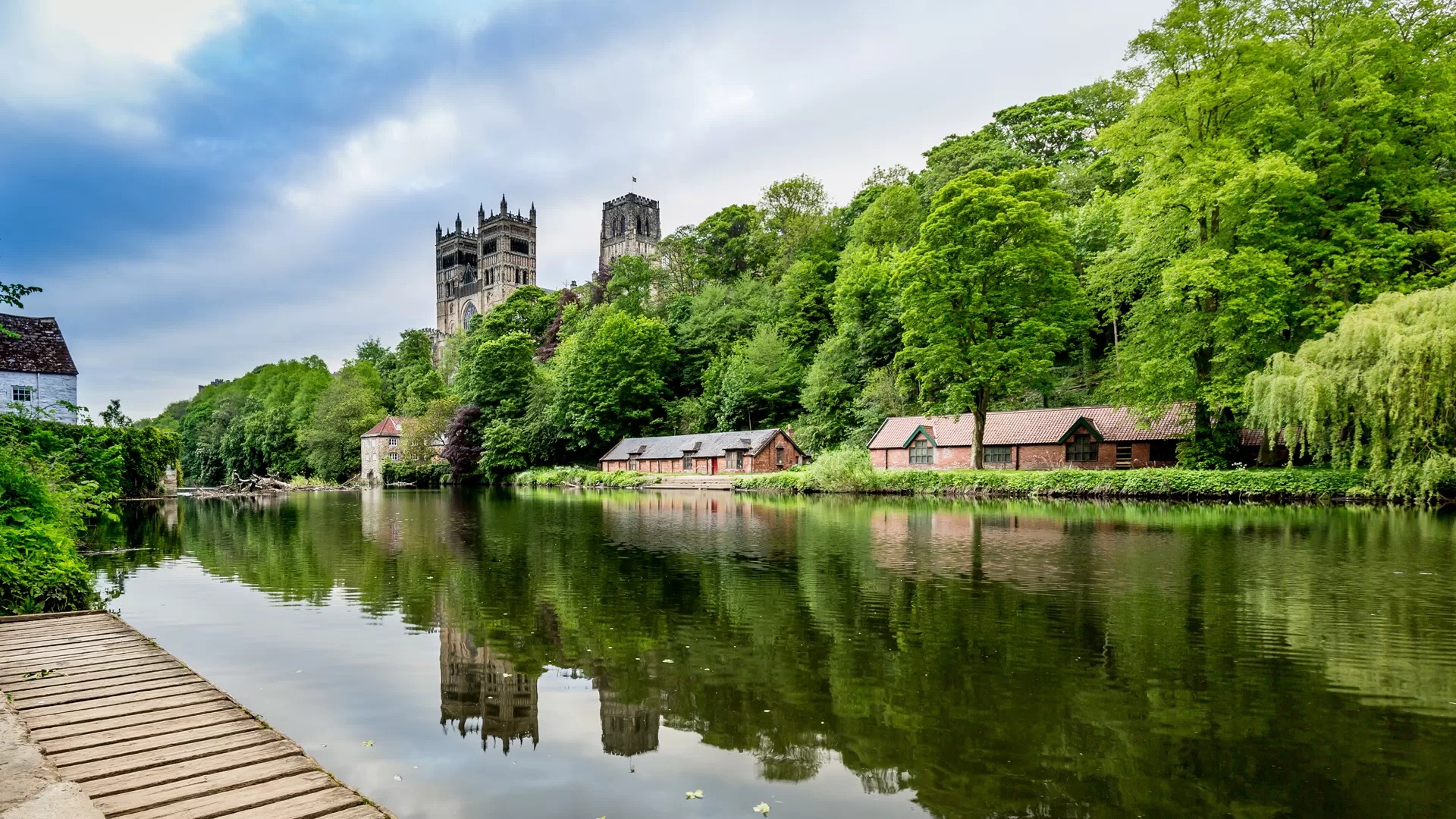
Durham, one of England’s most charming cathedral cities, combines a rich historical past with a vibrant present. Nestled on the banks of the River Wear, this UNESCO World Heritage Site is best known for its iconic cathedral and castle. Yet, beyond its headline attractions, Durham offers visitors a wealth of experiences ranging from tranquil riverside walks and bustling markets to cultural events and cozy English pubs. Whether you are planning a weekend getaway, a longer stay, or simply passing through, Durham has something for everyone. In this guide, we will explore the top things to do in Durham, alongside the best ways to travel around the city for a smooth and enjoyable visit.
Discovering the Heart of Durham
Durham’s compact city center is steeped in history, making it perfect for exploring on foot. Cobbled streets, medieval architecture, and riverside pathways create a timeless atmosphere where every turn reveals something new.
Durham Cathedral
The most famous landmark of the city, Durham Cathedral, is a must-visit. This magnificent Norman structure dominates the skyline and is regarded as one of Europe’s greatest examples of Romanesque architecture. Visitors can admire the intricate stained-glass windows, climb the central tower for panoramic views, or simply sit quietly and soak in the spiritual atmosphere. Harry Potter fans will also recognize the cloisters, which featured in the films.
Durham Castle
Just opposite the cathedral, Durham Castle forms the other half of the UNESCO World Heritage Site. Once a defensive fortress and later a bishop’s palace, it is now part of Durham University. Guided tours take you through grand halls, chapels, and student accommodations, giving a fascinating glimpse into the city’s layered history.
Riverside Walks and Old Town Charm
The River Wear loops around the city, offering scenic walking paths perfect for a peaceful escape from the bustling streets. Along the way, you can discover ancient bridges, rowing clubs, and hidden gardens. Back in the town center, narrow alleys lead to independent shops, cafés, and traditional pubs where you can enjoy hearty meals and local ales.
Cultural Experiences and Local Life
Durham is more than just history—it has a vibrant cultural and social scene worth exploring.
Museums and Galleries
- Oriental Museum – Dedicated to art and archaeology from Asia, Africa, and the Middle East, this museum is a hidden gem for culture lovers.
- Durham Museum and Heritage Centre – Located in a former church, this small museum tells the story of the city’s development over the centuries.
- Palace Green Library – Part of Durham University, this library hosts exhibitions that highlight rare books, manuscripts, and artifacts.
Festivals and Events
Durham hosts several annual events that bring the city to life:
- Durham Miners’ Gala – Known locally as the “Big Meeting,” this annual gathering celebrates the region’s mining heritage with parades, music, and speeches.
- Durham Book Festival – A literary highlight attracting authors, poets, and readers from across the UK.
- Durham Lumiere Festival – Every two years, the city transforms into a canvas of light with spectacular installations that attract international attention.
Local Food and Dining
Food enthusiasts will not be disappointed in Durham. From riverside restaurants serving modern British cuisine to quaint tearooms offering traditional afternoon tea, the city has plenty of choices. Don’t miss trying local specialties such as stotties (a type of bread), hearty pies, and fresh produce from the indoor market.
Exploring Beyond the City Center
Durham is also a gateway to some of the North East’s finest landscapes and attractions.
Durham University Botanic Garden
Just a short distance from the city center, this beautiful garden is home to diverse plants from around the world. It is an ideal place for a leisurely stroll, picnic, or simply to enjoy a peaceful retreat in nature.
Beamish Museum
One of the most popular attractions in the region, Beamish is an open-air museum that brings the industrial and rural heritage of North East England to life. Visitors can ride old trams, explore reconstructed villages, and learn about life in different eras.
High Force Waterfall
Located about an hour’s drive from Durham, High Force is one of England’s most impressive waterfalls. Surrounded by stunning countryside, it makes for a perfect day trip for nature lovers and hikers.
Seaham and the Durham Coast
For those who love the sea, a trip to the Durham coastline is a must. Seaham, a charming seaside town, is famous for its beaches and sea glass hunting. The dramatic cliffs and coastal paths also provide wonderful opportunities for walking and photography.
Best Ways to Travel Around Durham
Getting around Durham is simple, but planning ahead can make your visit even more enjoyable.
On Foot
The historic center of Durham is best explored on foot. The cobbled streets, compact layout, and pedestrian-friendly pathways make walking the most convenient way to enjoy the city’s charm. Comfortable shoes are recommended, especially if you plan to climb the cathedral tower or stroll along the riverside trails.
Public Transport
Durham has a reliable public transport system, with buses connecting the city center to surrounding suburbs and nearby towns. The bus station is conveniently located, and routes are frequent, making it easy to travel without a car.
By Car
If you wish to explore attractions outside the city, such as Beamish Museum or High Force Waterfall, renting a car can be a good option. However, parking in the city center is limited and often expensive, so it’s best to park on the outskirts and use park-and-ride services.
Taxis and Private Hire
Taxis and private hire vehicles are readily available in Durham, offering a flexible and comfortable way to travel, especially if you are carrying luggage or trxxqxaveling late at night. They are also ideal for airport transfers or day trips to nearby destinations.
Cycling
Durham and its surrounding countryside are cyclist-friendly, with various routes catering to different levels of ability. Bikes can be rented locally, and cycling offers an eco-friendly way to explore both the city and its scenic outskirts.
Tips for Visitors
Durham is a city where history, culture, and natural beauty blend seamlessly. Whether you are drawn to its medieval landmarks, vibrant festivals, or picturesque lxqxqandscapes, the city offers a memorable experience. With multiple options for getting around, from walking to private hire vehicles, exploring Durham is as convenient as it is rewarding. For anyone seeking a destination that captures the essence of northern England, Durham is truly a gem waiting to be discovered.
- Book accommodation early, especially during popular events like the Miners’ Gala or Lumiere Festival.
- Wear comfortable walking shoes, as many of Durham’s streets are cobbled or sloped.
- Combine city sightseeing with day trips to get a complete experience of what Durham and its region have to offer.
- For families, attractions like Beamish and the Botanic Garden provide fun and educational experiences.
Frequently Asked Questions
Q: How many days do you need in Durham? A: Two to three days are ideal for exploring the main sights in the city center, including the cathedral, castle, and riverside, while still having time for a day trip to the surrounding countryside.
Q: Is Durham suitable for families? A: Yes, Durham is family-friendly. Attractions such as Beamish Museum, the Botanic Garden, and riverside walks offer plenty of activities for children and adults alike.
Q: Can you visit Durham Cathedral for free? A: Entry to the cathedral is free, although donations are encouraged to support its upkeep. There may be charges for specific exhibitions or to climb the tower.
Q: What is the best time to visit Durham? A: Durham is beautiful year-round, but spring and summer are particularly pleasant with longer days and outdoor events. Autumn brings stunning colors to the surrounding countryside, while winter is magical during the Lumiere Festival.