Picture this: you step into your backyard on a beautiful Saturday morning, coffee in hand, ready to enjoy your outdoor sanctuary. Instead, you’re greeted by overgrown shrubs blocking your windows, weeds choking your prized roses, and a lawn that looks more like a meadow than the manicured space you once loved. Sound familiar?
Your garden is more than just an outdoor space—it’s an extension of your home, a place of refuge, and often a significant investment in your property’s value. Yet many homeowners treat garden care as an afterthought, addressing problems only when they become overwhelming. The truth is, consistent garden maintenance is the key to preserving both the beauty and health of your outdoor space.
The Foundation of Garden Health: Prevention Over Reaction
Think of garden maintenance like regular health check-ups for your body. You wouldn’t wait until you’re seriously ill to see a doctor, and the same principle applies to your garden. Regular maintenance prevents small issues from becoming major problems that require expensive solutions.
When you stay on top of routine care, you’re essentially creating an environment where plants can thrive naturally. This proactive approach means fewer pest invasions, reduced disease outbreaks, and stronger, more resilient plants that can withstand seasonal stresses.
Protecting Your Investment Through Consistent Care
Your garden represents a substantial financial investment, from the initial landscaping to the plants, trees, and hardscaping features you’ve added over time. Without proper maintenance, this investment can quickly deteriorate.
Consider these costly scenarios that regular maintenance prevents:
- Tree removal: A diseased tree that could have been saved with early treatment might need complete removal, costing thousands of dollars
- Soil replacement: Neglected soil becomes compacted and nutrient-depleted, requiring expensive rehabilitation
- Plant replacement: Mature plants that die from neglect are costly to replace and take years to reach their former size
- Hardscape repairs: Weeds and root systems can damage pathways, retaining walls, and irrigation systems
Seasonal Rhythms: Working With Nature’s Calendar
Gardens operate on nature’s schedule, not ours. Each season brings specific needs and opportunities that, when addressed at the right time, make the difference between a thriving garden and a struggling one.
Spring preparation sets the stage for the entire growing season. This includes pruning, fertilizing, mulching, and addressing any winter damage. Summer maintenance focuses on consistent watering, pest monitoring, and deadheading flowers to encourage continued blooming.
Autumn care involves preparing plants for winter, cleaning up fallen leaves that harbor diseases, and planting spring bulbs. Winter maintenance, while less intensive, includes protecting tender plants and maintaining garden structures.
The Science Behind Soil Health and Plant Nutrition
Healthy soil is the invisible foundation of every beautiful garden. Regular soil testing and amendment ensures your plants receive the nutrients they need when they need them. This isn’t just about adding fertilizer—it’s about understanding pH levels, organic matter content, and nutrient availability.
Professional regular garden maintenance includes soil health monitoring as a core component. When soil conditions are optimized, plants develop stronger root systems, show better resistance to pests and diseases, and produce more vibrant flowers and foliage.
Proper nutrition timing is crucial. Plants have different needs during their growth phases, and applying the right nutrients at the right time maximizes their effectiveness while minimizing waste and environmental impact.
Pest and Disease Management: Early Detection Saves Gardens
Garden pests and diseases are inevitable, but their impact doesn’t have to be devastating. Regular maintenance includes routine monitoring that catches problems while they’re still manageable.
Early detection means treatment options are more varied, less toxic, and more effective. A small aphid population can be controlled with beneficial insects or gentle sprays, while a large infestation might require more aggressive interventions.
Disease prevention through proper spacing, air circulation, and sanitation practices is far more effective than trying to cure established infections. Regular maintenance ensures these preventive measures are consistently applied.
Water Management: The Lifeline of Your Garden
Proper watering is both an art and a science. Too little water stresses plants and makes them vulnerable to pests and diseases. Too much water creates root rot and fungal problems. Regular maintenance includes monitoring soil moisture, adjusting irrigation systems, and adapting watering schedules to seasonal changes.
Efficient water use is increasingly important for both environmental and economic reasons. Regular maintenance ensures irrigation systems operate efficiently, preventing waste and reducing water bills.
Pruning and Plant Care: Encouraging Healthy Growth
Pruning is often misunderstood by homeowners. It’s not just about controlling size—proper pruning encourages healthy growth patterns, increases flowering and fruiting, and prevents structural problems that could lead to plant failure.
Different plants have different pruning requirements and timing. Spring-flowering shrubs should be pruned immediately after blooming, while roses benefit from winter pruning. Regular maintenance ensures each plant receives appropriate care at the optimal time.
Lawn Care: The Green Carpet That Ties Everything Together
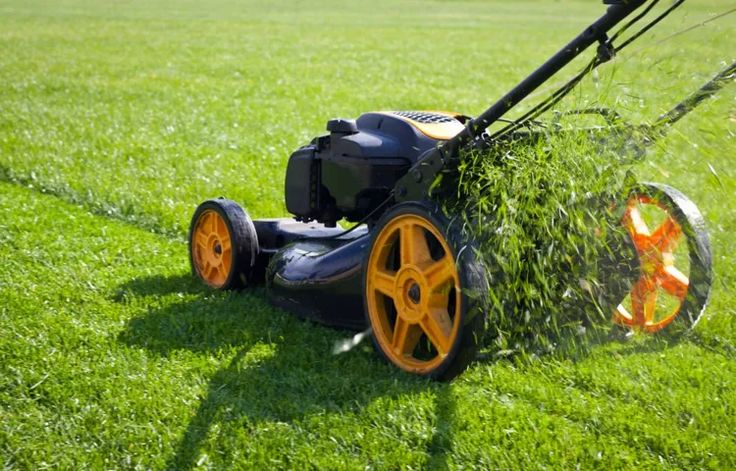
Your lawn is often the largest single element in your garden, and its condition dramatically affects your property’s overall appearance. Regular lawn maintenance goes beyond weekly mowing to include fertilization, aeration, overseeding, and weed control.
A well-maintained lawn is more than aesthetic—it prevents soil erosion, filters rainwater, and provides a safe playing surface for families. Consistent care creates the thick, healthy turf that naturally resists weeds and recovers quickly from foot traffic.
The Long-Term Vision: Gardens That Improve With Age
The most beautiful gardens are those that have been consistently cared for over many years. Like fine wine, well-maintained gardens improve with age as plants mature, soil health develops, and the ecosystem becomes more balanced.
This long-term perspective requires patience and consistency. The small efforts you make today—deadheading flowers, mulching beds, monitoring for pests—compound over time to create outdoor spaces of extraordinary beauty and vitality.
Taking Action: Your Garden’s Future Starts Today
Regular garden maintenance isn’t a luxury—it’s an essential investment in your property, your family’s outdoor enjoyment, and your connection to the natural world. Whether you choose to develop these skills yourself or work with professional gardeners, the key is consistency and attention to your garden’s changing needs.
Start by assessing your current garden’s condition and identifying the most pressing needs. Create a seasonal maintenance calendar that addresses these needs at optimal times throughout the year. Remember, every garden is unique, and understanding your specific plants, soil, and microclimate is the foundation of effective maintenance.
Your garden has the potential to be a source of joy, beauty, and pride for years to come. With regular maintenance as your foundation, you’re not just caring for plants—you’re cultivating a legacy that will enrich your life and enhance your home’s value for generations to come.