Choosing the right breathalyser can make a real difference for anyone who wants to check their alcohol level before driving. With so many models available, it can be hard to know which one gives the most accurate results without being too complicated or expensive. For personal use in the UK, fuel cell breathalysers stand out as the best choice because they offer consistent accuracy similar to those used by professionals.
Many people use personal breathalysers for peace of mind after a night out or a drink at home. The right device helps them make informed decisions about whether it is safe to drive. Some prefer simple single-use testers, while others value digital models that store results and require regular calibration. Each type has its strengths, and understanding these differences helps narrow down the best option.
This article compares the main breathalyser technologies, highlights top-rated models, and explains what features matter most. It aims to make the decision clear and straightforward, so anyone can choose a device that suits their needs and lifestyle.
Comparing Breathalyser Types for Personal Use
Different types of breathalysers vary in accuracy, cost, and convenience. The best choice depends on how often a person tests their blood alcohol content (BAC), how precise they need the results to be, and how portable the device must remain for daily or occasional use.
Fuel Cell Breathalysers vs. Semiconductor Models
Fuel cell breathalysers use a chemical reaction between ethanol and platinum electrodes to measure alcohol levels. This method offers high accuracy and consistency, which makes it suitable for frequent personal checks or professional monitoring. These devices usually last longer and require less recalibration.
Semiconductor models use metal oxide sensors to detect alcohol. They cost less but can react to substances other than ethanol, leading to less consistent readings. For occasional use, they still provide useful guidance before driving.
Fuel cell units are often used in breathalyser kits in UK because they match the precision of police-grade devices. Semiconductor models appeal to users who want a simple, affordable option for casual testing at home.
Professional vs. Consumer Breathalysers
Professional breathalysers meet stricter accuracy standards and often include calibration certificates. Law enforcement and workplace testing rely on these models because they maintain consistent results over hundreds of tests. They usually feature advanced sensors and digital displays.
Consumer breathalysers, by contrast, focus on ease of use and affordability. They may need calibration more often and might not meet evidential standards, but they still help users check if they are safe to drive.
Professional models also tend to have better build quality, while consumer units are lighter and more compact. The choice depends on whether the user values precision or convenience.
Portable and Rechargeable Options
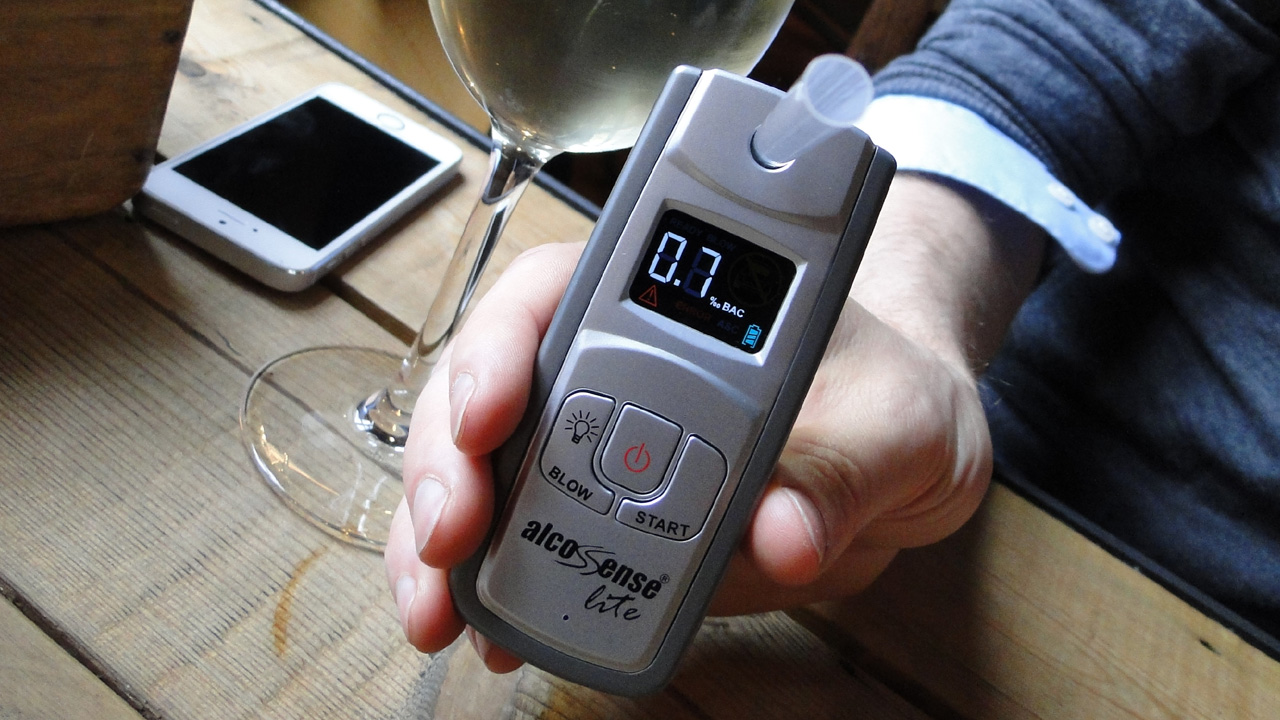
Portable breathalysers suit users who need quick checks while out or travelling. Many pocket-sized models include rechargeable batteries, USB charging, and digital readouts that display results within seconds.
Rechargeable units save money over time compared to single-use disposable testers. They also reduce waste, which benefits users who test frequently. However, these devices still need regular calibration to maintain accuracy.
Some portable models use non-contact sensors that allow hygienic use without mouthpieces. This feature appeals to families or groups who share a single device. Compact design and fast response times make them practical for personal safety checks.
Understanding BAC and Measurement Accuracy
Blood alcohol concentration (BAC) indicates how much alcohol is in a person’s bloodstream. Breathalysers estimate BAC by measuring ethanol in exhaled air. The accuracy of that reading depends on sensor type, calibration, and user habits.
Eating, smoking, or using mouthwash before testing can affect results. Waiting at least 15 minutes after drinking or eating gives more accurate readings.
Most consumer breathalysers measure BAC in percentages, such as 0.05%. In the UK, the legal driving limit is 0.08% in England, Wales, and Northern Ireland, and 0.05% in Scotland. Understanding these limits helps users interpret readings correctly and make informed decisions before driving.
Top-Rated Breathalysers and Key Considerations
Accurate personal breathalysers help users check their alcohol levels before driving. The best models combine dependable sensors, simple operation, and consistent calibration to give trustworthy readings that support safer choices.
AlcoSense Excel and AlcoDigital Platinum
Both AlcoSense Excel and AlcoDigital Platinum use fuel cell sensors, the same type found in many professional devices. This technology reacts specifically to ethanol, which reduces false readings caused by other substances.
The AlcoSense Excel features a clear colour display that guides the user through each step. It also adjusts readings to account for UK legal limits, which helps users interpret results more easily. Its compact size and one-button control make it practical for personal use.
The AlcoDigital Platinum offers a slightly higher sensor grade, which provides more consistent readings across different temperatures. It also includes a memory function that stores previous test results. This feature helps track alcohol levels over time and supports more informed decisions about driving.
Both models are approved for UK use and meet the accuracy standards expected by law enforcement equipment.
Calibration and Recalibration Requirements
All breathalysers need calibration to keep their readings accurate. Over time, sensors drift and lose precision, so recalibration restores the device to its proper baseline. Most manufacturers recommend recalibration every 6 to 12 months, depending on how often the device is used.
Fuel cell models like the AlcoSense Excel and AlcoDigital Platinum generally hold calibration longer than cheaper semiconductor devices. However, users still need to follow the schedule provided in the manual to maintain accuracy.
Some suppliers offer postal recalibration services. The user sends the device to a service centre, where it is tested and adjusted using certified alcohol standards. This process usually takes a few days and costs less than replacing the unit.
Ignoring recalibration can lead to misleading results, which defeats the purpose of owning a personal breathalyser.
Choosing the Best Device for Your Needs
The best breathalyser depends on how and where it will be used. Regular drivers who want dependable readings should consider a fuel cell model with clear instructions and a UK limit setting.
Those who test occasionally may prefer a simpler device with fewer features but easy operation. Portability, display clarity, and mouthpiece design also affect convenience.
Budget matters too. Higher-end models like the AlcoDigital Platinum cost more but often provide better accuracy and longer calibration intervals. In contrast, entry-level devices may require more frequent maintenance.
Before purchase, users should check that the breathalyser meets UK standards and can be recalibrated locally. This helps maintain consistent performance over time and supports safer, more confident decisions.
Conclusion
Fuel cell breathalysers suit most personal users who want accurate and consistent readings. They detect alcohol specifically and give results close to professional devices. Their higher cost often reflects their precision and longer lifespan.
Semiconductor models cost less and still meet the needs of casual users. However, they may react to other substances, so they suit those who test occasionally rather than regularly.
Calibration remains key for any device. Regular checks help maintain accuracy and prevent false readings.
In summary, a fuel cell breathalyser offers the best balance of accuracy and practicality for most people in the UK, while semiconductor types provide a more affordable alternative for lighter use.