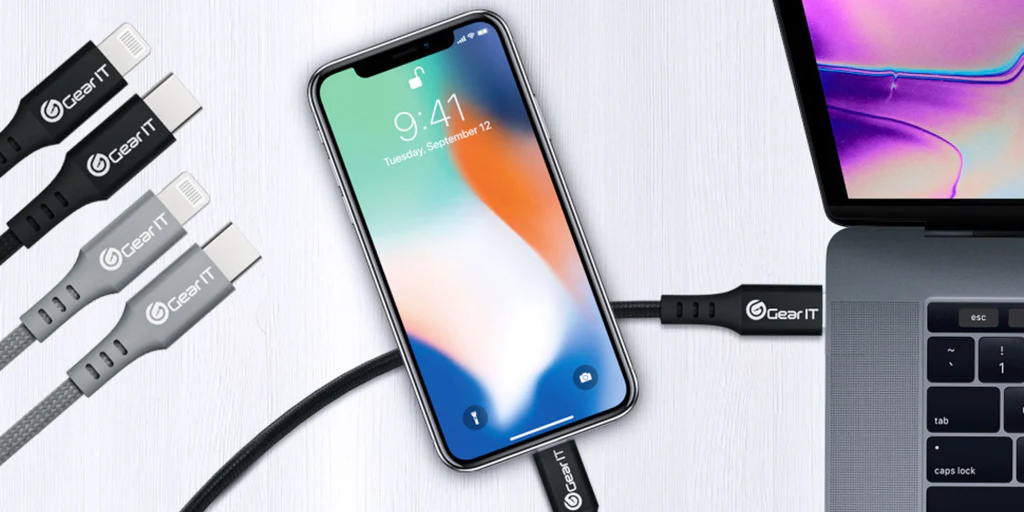
In an ever-evolving digital landscape, the need for efficient, fast, and reliable charging solutions is more pronounced than ever. With a slew of electronic devices playing an integral role in our daily lives, it’s imperative to discuss the revolutionary technology that aims to streamline and simplify the process of powering up these gadgets: a USB-C charger. In this article, we will delve into the significance of USB-C technology and its impact on the future of device charging.
The Emergence of USB-C
USB-C, formally known as USB Type-C, is the latest iteration in the series of Universal Serial Bus (USB) connectors. It was developed by the USB Implementers Forum, a group of companies that have collectively advanced USB’s utility across various technological platforms. The principal allure of USB-C lies in its reversibility, which allows for a more user-friendly experience as the connector can be plugged in either direction.
Moreover, USB-C is rapidly becoming the standard for new devices, replacing various previous USB standards and other ports, such as micro-USB and proprietary charging connectors. Its compatibility isn’t restricted to smartphones and tablets. From laptops to gaming consoles and beyond, USB-C ports are becoming ubiquitous.
Advantages of USB-C Chargers
One of the most significant benefits provided by USB-C technology is its capacity to carry more power compared to its predecessors. This enables devices to charge quicker, which is a crucial feature in today’s fast-paced world. Additionally, USB-C can transfer data at a much faster rate and even support video transmission, making it highly versatile.
The adoption of USB-C chargers also brings about a reduction in cable clutter, as this universal solution means a single cable type can charge a wide array of devices. This unification of charging infrastructure has the potential to substantially lower electronic waste, offering a greener charging option for environmentally conscious consumers.
Another profound advantage is that USB-C supports USB Power Delivery (PD), a charging standard that allows for higher wattages and, in turn, faster charging capabilities. This means that devices that support USB PD can charge significantly more quickly without compromising on safety, thanks to smart power management inside the USB-C connection.
Universal Compatibility and Convenience
USB-C’s ascent to the top is driven not just by its technical prowess but also by its pledge of universal compatibility. Given the multitude of devices that can benefit from its use, this technology simplifies the charging and data transfer process. For consumers tired of carrying multiple chargers for different devices, USB-C offers a breath of fresh air, emerging as a one-cable solution for almost every charging need.
Such functionality also feeds into the vision of a more interconnected world, where all our devices can interact more effortlessly. This vision is gradually being realised as USB-C ports become standardised across not just phones and tablets but also computers, monitors, and more.
Fast-Charging Capabilities
As we strain our devices with more intense use, fast charging has gone from being a luxury to a necessity. Manufacturing innovators like Belkin echo this sentiment by offering a range of USB-C charger solutions that promise to power up devices with unprecedented speed.
This dedication to innovation provides not only timesaving benefits but also extends the usable life of devices on a single charge, ensuring that users can stay connected for longer periods without being tethered to a power outlet.
The Safety Aspect
When discussing chargers, safety is of paramount concern. USB-C chargers are inbuilt with various protocols to ensure a safe charging experience. Features like overcurrent protection, overvoltage protection, and temperature control are commonplace, providing peace of mind for users.
The future safety standards of charging will likely revolve around smart technology with adaptive charging speeds, minimizing battery wear and extending the life of devices. As USB-C becomes the norm, charger manufacturers are continually refining these safety measures, ensuring devices get just the right amount of power they need without the risk of overheating or damaging the battery.
The Role of USB-C in Future Tech Trends
Looking ahead, USB-C is set to play a central role in emerging tech trends, such as the growing Internet of Things (IoT) ecosystem. Its ability to connect so seamlessly to a multitude of devices positions USB-C as the backbone for future innovations.
Furthermore, with the wireless charging domain gaining traction, USB-C could be the bridge connecting traditional wired charging with the burgeoning wireless technology. It may serve as the ideal failsafe option when wireless charging is not available, ensuring continued device utility without access to wireless charging mats or similar technology.
Conclusion
USB-C chargers represent not just a step forward in the charging capability of devices, but also a step towards a more integrated and efficient technology landscape. By offering a universal, powerful, and user-friendly charging solution, USB-C is truly powering up the future of device charging.
This technology aligns with the modern demand for speed, convenience, and reliability, making USB-C an integral component in the current and upcoming generations of electronic devices. As it continues to become a staple in the industry, USB-C is firmly set on the path of reshaping the way we charge and connect our devices.
Its widespread adoption and continuous improvement bode well for consumers and the environment alike. Through advancements in USB-C charging technology, we move closer to a future where our digital experiences are unhampered by charging constraints, and all our devices share a harmonious, interconnected environment.