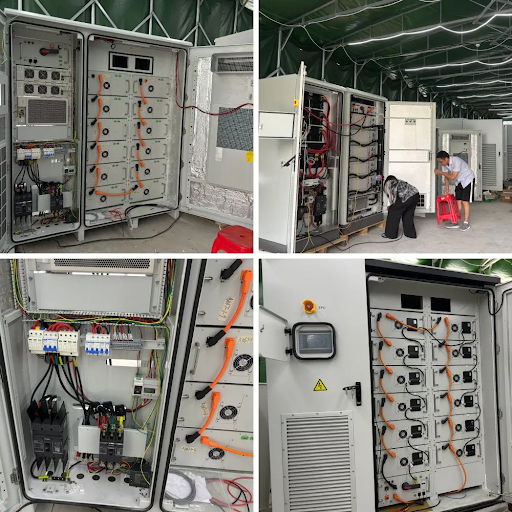
You are seeing fast changes in how energy is produced and stored. Solar and wind power now support many homes and small sites, yet they work only when the sun shines or the wind blows. Storage fills the gap. A 215 kWh Battery Storage system gives you a mid-scale solution that can support steady use, reduce grid demand, and improve resilience. This guide shows you how to plan, size, integrate, and maintain a system that works for your needs.
Understanding the Role of Mid Scale Storage
A 215 kWh battery storage setup sits between small home systems and large commercial banks. It fits small buildings, farms, workshops, or mixed-use sites. It also functions as a cluster within larger microgrids. It stores enough energy to support mission tasks during outages and to balance load throughout the day.
The size gives you room to shift consumption. You can capture excess solar power during daylight hours and release it later when demand peaks. You gain control over when you pull power from the grid. This helps you avoid higher rate periods if your utility uses time-based pricing.
Core Components
Every system includes four core parts.
- Battery modules. They form the total capacity and deliver stored energy.
- Battery management system. It monitors voltage, temperature, and state of charge to keep the system safe.
- Inverter and power electronics. They convert power between direct and alternating current.
- Control software. It makes real-time decisions on charging and discharging.
You can get these as a full package from a battery energy storage system manufacturer. You can also build a setup using components from different sources if you have engineering support.
Sizing for Real Use
A capacity of 215 kWh looks large on paper. You still need to match it to real needs. Start by measuring your load. Track your use for at least two weeks. Note peak hours and the draw of large equipment. A simple approach is to list all devices and their power ratings then measure how long each one runs per day.
Once you know your daily use, compare it to the storage size. If you use around 70 to 120 kWh per day then a 215 kWh system gives you strong coverage. If your load is far higher then this system might serve only as partial backup or peak shaving support.
Power Rating and Discharge
Capacity tells you how much energy you can store. Power rating tells you how fast you can use it. Many mid-scale systems offer outputs between 50 and 150 kilowatts. Make sure the output can handle your largest expected draw. If you run pumps, HVAC units, or motors then check their surge ratings during startup.
If you need support for short high loads you might add a buffer using supercapacitors. Most users do not need this but it is important to check during the design phase.
Integration With Solar
Many users pair a 215 kWh system with rooftop or ground-mounted solar. The goal is clear. You want full use of every kilowatt hour your panels make. Solar often peaks at midday yet your load may peak in the evening. Storage gives you the link.
When you design this setup check your solar array size and expected daily output. A system between 80 and 120 kilowatts of panels often pairs well with this storage class. Your site and climate may call for more or less. Use past solar data if you have it. If not then use conservative estimates based on regional maps.
If you draw from the grid, integrate smart controls that charge the system only when solar supply exceeds your load or when grid prices drop. This gives you the best return on investment.
Planning the Physical Space
A system of this size does not need a large room but it does need clear space and safe placement. Keep distance from heat sources. Allow airflow. Choose a stable floor. Avoid direct sun. Many setups sit in small mechanical rooms or outdoor enclosures. Outdoor units need weather protection and secure access.
You also need planning for fire protection. Modern lithium batteries have strong safety controls yet you must follow local fire codes and spacing rules. Your installer will know these rules.
Thermal Management
Heat shortens battery life. Cold reduces power output. Make sure your system includes thermal regulation. Most systems use active cooling or heating based on internal sensors. If your site sees wide temperature swings then confirm that the thermal range matches your climate.
Lifecycle and Replacement
Mid-scale systems often use lithium iron phosphate cells. These last between 4000 and 8000 cycles depending on depth of discharge and temperature. For many users this equals ten to fifteen years of service. Track your depth of discharge. Shallow cycles extend life. You do not need to drain the system fully. In fact, partial cycles often perform better.
Practical Operating Tips
- Keep state of charge within a reasonable band. Many systems work best when they stay between 15 percent and 90 percent.
- Avoid high temperature operation. Check ventilation.
- Update control software when updates become available.
- Log performance each month so you can spot drift or early signs of aging.
Using Storage for Backup
A 215 kWh unit offers solid backup value. If your site uses about 20 kilowatts on average then this unit can support you for many hours. If you reduce your load during outages you can extend backup time even further.
To use the system for backup you need automatic transfer switches. These shift your load to the battery when grid power fails. Test these switches once or twice a year.
Using Storage for Peak Shaving
If your utility charges demand fees you can cut them with storage. Program the system to discharge during your peak periods. This reduces the highest fifteen-minute average load that utilities often use for billing.
You can forecast peak times by studying your daily use. Once you know when peaks occur your controls can discharge only during those windows. This reduces total daily cycling which improves battery life.
Working With a Manufacturer
When you shop for systems, ask a battery energy storage system manufacturer for detailed specs. Ask for data sheets on power ratings, cycle life, cell chemistry, and thermal controls. Ask for examples of sites that use similar capacity.
Request support on how the controls integrate with your inverters and solar systems. A good partner gives you wiring diagrams and test procedures. They also guide you on ventilation and protections.
Installation Steps
- Survey the site.
- Prepare the floor or pad.
- Install conduit and wiring from your main panel.
- Place the battery cabinet or container.
- Connect inverters and control units.
- Test voltage, current flow, and communication signals.
- Run a full charge and discharge cycle under supervision.
Most installs take one to three days once all parts are on site.
Cost Planning
Costs vary by region and supplier. They depend on chemistry and enclosure type. Include costs for inverters, protective gear, design work, and installation labor. Include long-term costs for potential cell replacement after ten or more years.
Maintenance
- Set a schedule. Check the system each month for alarms and temperature issues.
- Inspect connections twice a year.
- Clean dust and keep vents clear.
- Run a controlled discharge test each year to verify capacity.
End of Life
When the system reaches its end of useful life you can recycle most parts. Many firms now offer responsible recycling services. Cells can be processed for metals and other materials. Plan this step early so you know who to call when the time comes.
Conclusion
A 215 kWh Battery Storage system gives you a strong tool for managing energy in a clear and practical way. It supports solar integration. It cuts peak loads. It improves backup resilience. If you work step by step and match the system to real daily use then you will get steady performance for many years. Your success depends on good sizing, clean installation, consistent checks, and sound support from a trusted battery energy storage system manufacturer.